



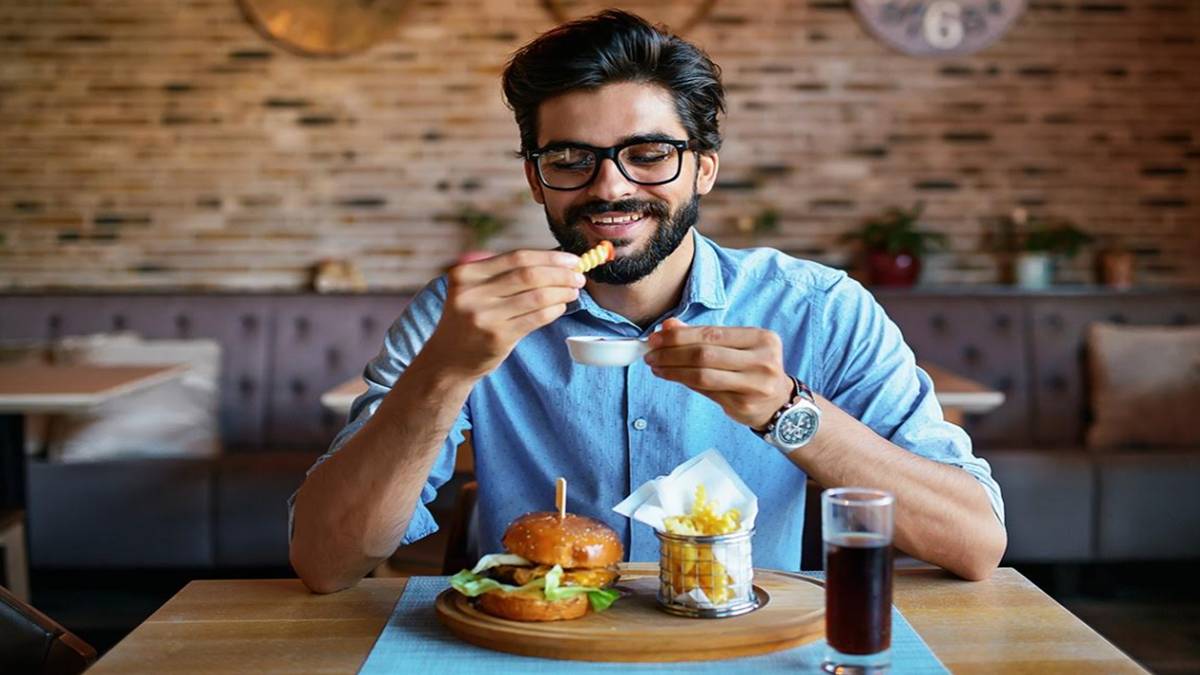
Year 2010. A lone diner is hunched over his plate of food in the dim glow of a restaurant’s lights. What are the first thoughts that come to your mind? Sadness? Despondency?
Now consider the same restaurant. The same diner. Alone. But the year is 2026. No one’s going to take you to task for thinking “freedom” or “opportunity.”
Across dining, travel and entertainment, solo consumption is no longer an oddity but a lifestyle signal. And businesses are waking up to that opportunity — be it Swiggy Scenes rolling out a ‘solo’ bookings category, Zomato’s District app offering tables for one, or EaseMyTrip introducing solo travel packages. Brand optimism is hard to miss.
Rise of solo living fuels new spending trends
That optimism isn’t misplaced. In 2020, the number of single-person households in India reached 17.4 million. It is projected to account for 5.5% of Indian households by 2030. Categories like food delivery, dining, travel and entertainment are seeing a clear uptick. According to estimates, solo domestic travel bookings are growing by 25–30% year-on-year, with such travellers expected to spend about 28% more on travel in 2025. According to **BookMyShow**, over 1.8 million users attended events and movies solo last year, signalling growing demand for independent experiences.
The solo consumption opportunity is much larger than single-person household data suggests, says Rutu Mody Kamdar, founder, Jigsaw Brand Consultants. The real story lies in the explosion of solo experiences within collective lives — a working professional in a joint family ordering a solo dinner, or a mother booking herself a spa day.
Overall, smaller households, deferred life-stage commitments, higher workforce mobility and a strong preference for personal choice are redefining consumer spending across food, travel, entertainment, wellness and convenience, says Rajeev Nayar, partner, consumer markets, KPMG in India. “The momentum is currently urban-led, and the drivers are socio-economic and durable, not cyclical,” he adds.
Experts emphasise that the solo economy is not the opposite of community, but complementary to it. “The consumer wants the freedom to enjoy a dinner alone without it becoming a statement about their relationships. The biggest shift brands need to make is in their unit of imagination — from the family to the individual occasion,” says Mody Kamdar. Brands catering to this segment must normalise solo consumption and focus on elevating experiences, without reinforcing any cultural stigma attached to it.
Behaviour shift
Solo participation in events has emerged as a visible trend over the past year. Swiggy Scenes, which offers discovery and bookings for live events, notes that singles constituted 85% of pickleball bookings in 2025 — indicating the role of sports as a social entry point for single consumers.
“We are seeing high demand in activity-led formats — from specialty coffee meetups to burger raves (themed events combining live music with curated menus). These experiences allow consumers to bypass traditional social barriers — they enter solo and exit as part of a high-energy community. For us, solo consumption is not a seasonal anomaly but a permanent cultural pivot,” says Supriya Shankar, VP & Business Head, Swiggy Scenes.
The platform’s ‘Solos’ category over the Valentine’s Day weekend curated group mixer activities and inclusive outings with friends, parents or even pets. “We expect the solo segment to grow steadily as experiences become more community-led and format-driven, with individuals comfortable showing up on their own but participating collectively,” adds Shankar.
In travel, too, individual consumption has become a mainstream growth engine, says Rikant Pittie, CEO & Co-founder, EaseMyTrip. The solo travel market is expected to grow to $39.5 million by 2030, at a CAGR of 19.5% between 2025 and 2030.
Outbound travel trends reinforce this shift, with around 70% of festive-season visa applications in 2025 coming from solo travellers, led by millennials and Gen Z consumers, says Pittie. The platform caters to this segment through curated travel guidance and emerging holiday options.
“Our focus is recommending safe, women-friendly destinations such as Udaipur, Coorg and Sikkim, along with practical tips on choosing secure accommodation and planning independent trips,” remarks Pittie.
Solo female travellers are an especially fast-growing segment, with demand for women-only packages rising 40% over the last year. “Cultural and heritage travel accounts for the largest share of revenue and is expected to be the fastest-growing segment, as solo travellers seek deeper, more meaningful experiences,” he states.
Against this backdrop, the opportunity for brands is not merely about creating smaller portions. It is about designing for a different emotional register — where doing something alone is an act of intention.
Brands that re-architect their propositions around flexibility, personalisation and seamless access — rather than simply shrinking formats or pack sizes — will emerge as winners in this evolving solo economy.