



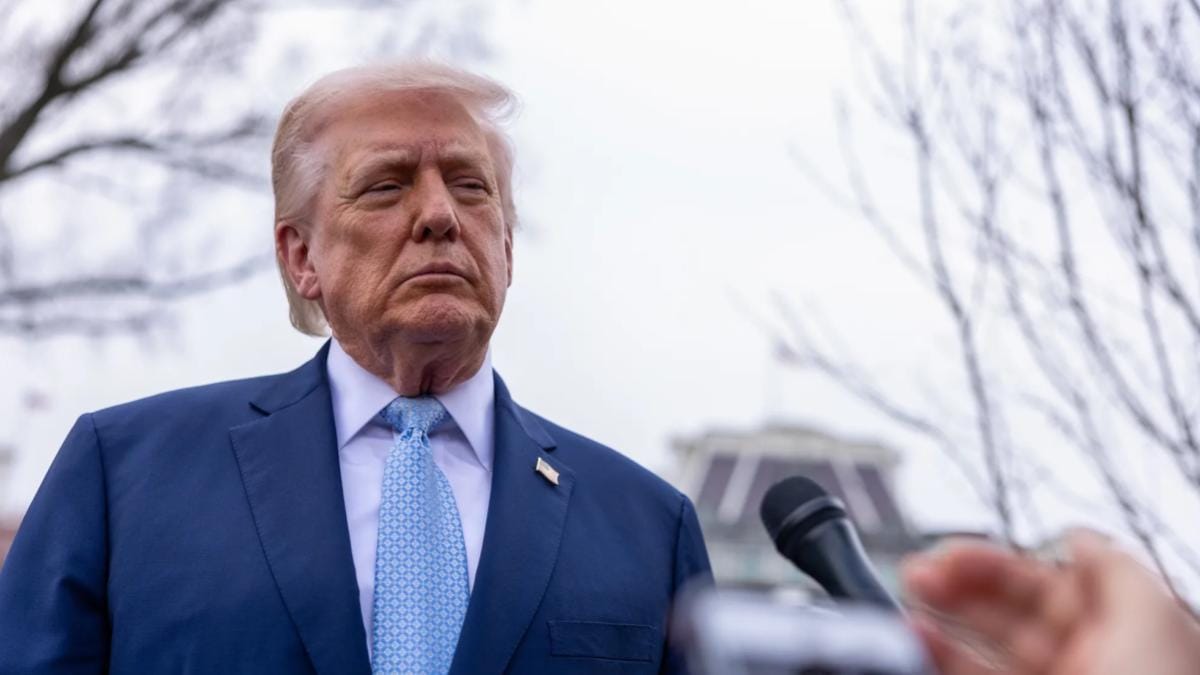
Donald Trump quietly backed away from plans to tighten the H-2B seasonal worker program, despite it being a cornerstone of his broader immigration restrictions. A report by The Wall Street Journal now reveals that the position was quietly reversed after pressure from close associates and industry figures linked to his own business network pushed for a change.
Trump reverses H-2B visa cut after private lobbying push
According to The Wall Street Journal, Trump stepped in earlier this year to restore the full allocation of H-2B guest worker visas after a series of private interventions from longtime associates and hospitality industry voices. Many of those involved had ties to Trump-owned properties and seasonal tourism operations.
According to WSJ, the key moment that influenced his decision took place at Trump’s Florida golf clubs, where he was approached by Bernd Lembcke, a longtime manager of Trump properties including Mar-a-Lago; Peter Petrina, a Mar-a-Lago member who heads the Seasonal Employment Alliance; and Adrian Tudor, a manager at the Trump International Golf Club in West Palm Beach.
They warned that hotels, resorts, and seasonal businesses were heading into peak months without enough workers, especially during the busy winter and spring tourism period. The interaction, according to the report, had not been previously made public.
From cuts to full visa numbers
Just weeks before this meeting, the administration had announced plans to issue only about 35,000 additional H-2B visas for fiscal year 2026. It was a big drop from nearly 65,000 in previous years, and significantly below the roughly 64,716 visas permitted under federal limits.
However, after the lobbying push, the administration reportedly reversed course and approved the full 64,716 additional visas, bringing numbers back in line with earlier years.
What the H-2B programme does
The H-2B visa allows US employers in non-agricultural sectors, including hotels, resorts, landscaping companies, fisheries, and seafood processing, to hire temporary foreign workers for seasonal jobs that are often hard to fill locally.
Trump’s own businesses have regularly used the programme, including at Mar-a-Lago, where H-2B workers have been employed in housekeeping, kitchen, and service roles.
The WSJ report also says the push extended beyond Trump’s immediate circle. Rep. Andy Harris, a Republican from Maryland whose district relies heavily on seasonal labour for the crab industry, also lobbied for the programme. Hotel operators and other industry leaders raised similar concerns with senior officials, including then-Homeland Security Secretary Kristi Noem.
White House response
The White House defended the reversal, saying it aligns with Trump’s broader economic and immigration priorities. Spokesperson Taylor Rogers said the administration remains focused on protecting American jobs and wages while also meeting labour demand.
However, it’s worth noting that while Trump has maintained a tough stance on illegal immigration and deportations, the H-2B programme remains one area where he has shown willingness to expand access when industries say they are short of workers.
The hospitality and tourism sectors in particular have repeatedly pushed for higher allocations, arguing that seasonal demand cannot always be met locally.
Critics cited in the WSJ report say the episode raises bigger questions about how policy decisions are shaped, especially when personal networks overlap with industries that benefit from those changes.
The Seasonal Employment Alliance, led by Peter Petrina, has long maintained that the H-2B programme is tightly regulated and designed specifically for short-term, non-immigrant jobs.