



Anti-India rhetoric is rising sharply on American social media, with thousands of posts spreading racist stereotypes and blaming Indians for “stealing” jobs in the United States.
A new study has found that anti-Indian content on X tripled last year, with about 24,000 posts collectively viewed more than 300 million times. Researchers say the surge shows a growing online debate over immigration and national identity in the US.
Hate posts surge on social media
The analysis was conducted by the Network Contagion Research Institute (NCRI), which examined the spread of anti-Indian rhetoric online.
The report found that racist posts about Indians increased significantly through 2024, with weekly peaks of more than 800 posts in mid-December. Many of these posts included slurs such as “pajeet” and “dothead”.
Researchers noted that the rhetoric often appeared in discussions about immigration, assimilation, and work visas.
Small group of accounts driving the narrative
Regardless of the scale of the online activity, the study found that much of the content was driven by a small number of influential accounts rather than a broad grassroots movement.
According to the NCRI analysis, the three “most prolific posters” produced 525 anti-Indian posts on X. These posts generated 18.4 million interactions, including views, likes and reposts.
Three accounts, NeonWhiteCat, MattForney and TheBrancaShow, were responsible for a significant share of the content. Together, they accounted for more than 10 per cent of all likes and 20 per cent of all reposts among the anti-Indian posts identified in the study.
Immigration politics fuel the surge
The spike in anti-Indian rhetoric coincided with renewed political debate around immigration policies.
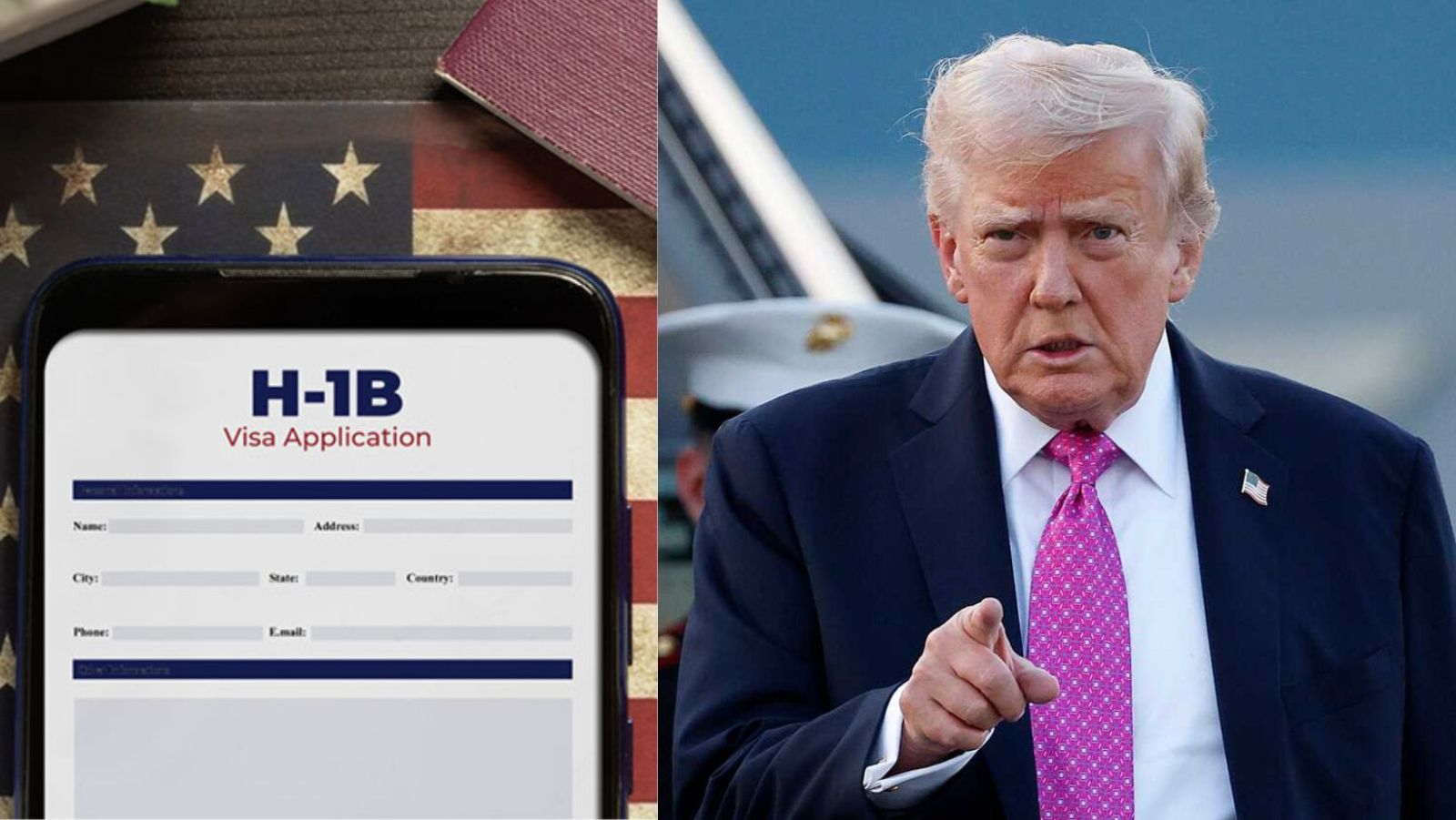
According to the study, online hostility increased after announcements of changes to immigration policy by the Trump administration, including the $100,000 fee on H-1B worker visas declared last September.
“Most of the highly-engaged anti-Indian tweets during this period applauded this order as a way to curb Indian immigration. . . while simultaneously engaging in racist verbal abuse,” the study found.
Indian-American public figures targeted
Prominent Indian-Americans have also been targeted in the online attacks.
After Donald Trump picked Sriram Krishnan as senior policy adviser for Artificial Intelligence (AI) following the 2024 elections, the tech executive faced racist comments on social media.
“Did any of y’all vote for this Indian to run America?” a user wrote on X below Krishnan’s photograph.
Laura Loomer, a far-right activist known for promoting conspiracy theories, described the appointment as “deeply disturbing” and said the US was built by “white Europeans” and “not third world invaders from India.”
Vice President JD Vance has also faced attacks because of his wife, Usha Vance, whose parents immigrated from India.
Nick Fuentes, a 27-year-old right-wing podcaster, used the racist slur “jeet” for Usha Vance and described her Indian-American relatives as “Uber drivers and call centre scammers”.
Responding to Fuentes’ remarks last year, Vance said he can “eat shit.”
According to the NCRI study, more than 2,000 anti-Indian posts on X were related to Usha Vance alone.
Religious and cultural attacks
The hostility has also extended to religious expression.
Republican leader Vivek Ramaswamy and FBI Director Kash Patel have faced online criticism from parts of the Maga base for their Indian heritage.
Patel drew backlash after posting Diwali greetings online. The post triggered a wave of anti-Hindu remarks. “Reject this false religion’s Diwali nonsense,” one user wrote.
Harmeet Dhillon, head of the US Department of Justice’s civil-rights division, also faced criticism after leading a Sikh prayer at the Republican National Convention in 2024. Dhillon later said the controversy showed “blatant racism and nativism”.
Concern within the Indian-American community
Some Indian-American groups say the rise in online hate has been noticeable since the 2024 US presidential election.
“We saw this groundswell of hate toward the Hindus and Indians,” Utsav Sanduja, former executive director of Hindus for America First, told The Free Press.
“These are communities that my organisation and others worked so hard to cultivate, and these are toxic influencers who are not even loyal to the Republican Party, and may not even be loyal to our Constitution.”
A successful but visible minority
Indian-Americans make up about 5.2 million people, roughly 1.6 per cent of the US population, and represent about 21 per cent of the country’s Asian population. They are also one of the most economically successful immigrant groups in the United States.
In 2023, Indian-led households had a median annual income of $151,200, significantly higher than the national median. Around 77 per cent of Indian-Americans hold a bachelor’s or advanced degree, compared with 38 per cent of native-born Americans.
Indians are also the largest beneficiaries of H-1B work visas, which allow skilled foreign workers to take jobs in the US.
Researchers say this visibility and economic success have sometimes made the community a target in online debates about immigration and employment.