



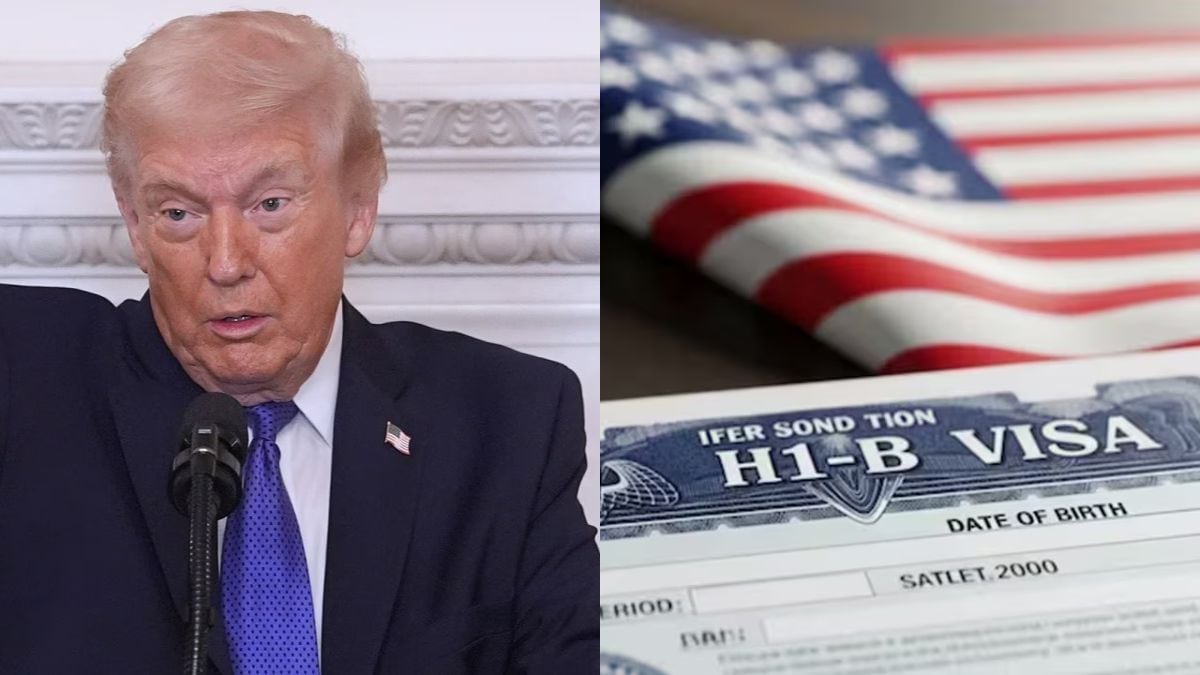
A group of US lawmakers has introduced a new bill to remove the $100,000 H-1B visa fee for doctors, nurses and other healthcare workers. The proposal aims to protect hospitals from rising costs and prevent further strain on an already stretched healthcare system. The bill, called the “H-1Bs for Physicians and the Healthcare Workforce Act,” was introduced on March 17 by Representatives Mike Lawler, Sanford Bishop Jr., Maria Elvira Salazar and Yvette Clarke. It would exempt healthcare workers from the steep visa fee and block any extra charges beyond existing immigration law.
Why the fee increase has increased concern
H-1B visa program allows US employers to hire skilled foreign professionals, including those in healthcare. Until recently, employers paid around $3,500 per application. However, a new rule raised the fee to $100,000 starting September 21. Hospitals and medical groups have warned that such a sharp increase could make it much harder to hire international staff. Many healthcare providers rely on foreign workers to fill gaps, especially in rural and underserved areas. Immigrants currently make up a significant part of the US healthcare workforce, including 27 percent of physicians and surgeons, 22 percent of nursing assistants and 16 percent of registered nurses.
In December, 20 states filed a lawsuit against the White House, arguing that the move violated the Constitution and administrative law. At the same time, some lawmakers are pushing in the opposite direction. A separate bill known as the EXILE Act seeks to end the H-1B visa program altogether, indicating deep divisions in Washington over immigration policy.
Hospitals prepare for impact
With no immediate relief announced, many teaching hospitals have started making backup plans. Some are considering reducing the number of international medical residents they sponsor.
Others are looking to hire more physician assistants or avoid candidates who need visa support. Healthcare leaders say the high fee could worsen staff shortages, increase wait times and force patients to travel longer distances for care.
Growing pressure for relief
Support for fee relief is building in Congress. Around 100 lawmakers have sent a joint letter to Homeland Security Secretary Kristi Noem, asking an exemption for healthcare workers. They pointed out that nearly 87 million Americans live in areas that already lack enough medical professionals. Lawmakers also stressed that the U.S. healthcare system has depended on international talent for more than 30 years. They warned that the $100,000 fee could hit rural hospitals and urban safety net hospitals the hardest, making it even more difficult for them to recruit and retain staff.