



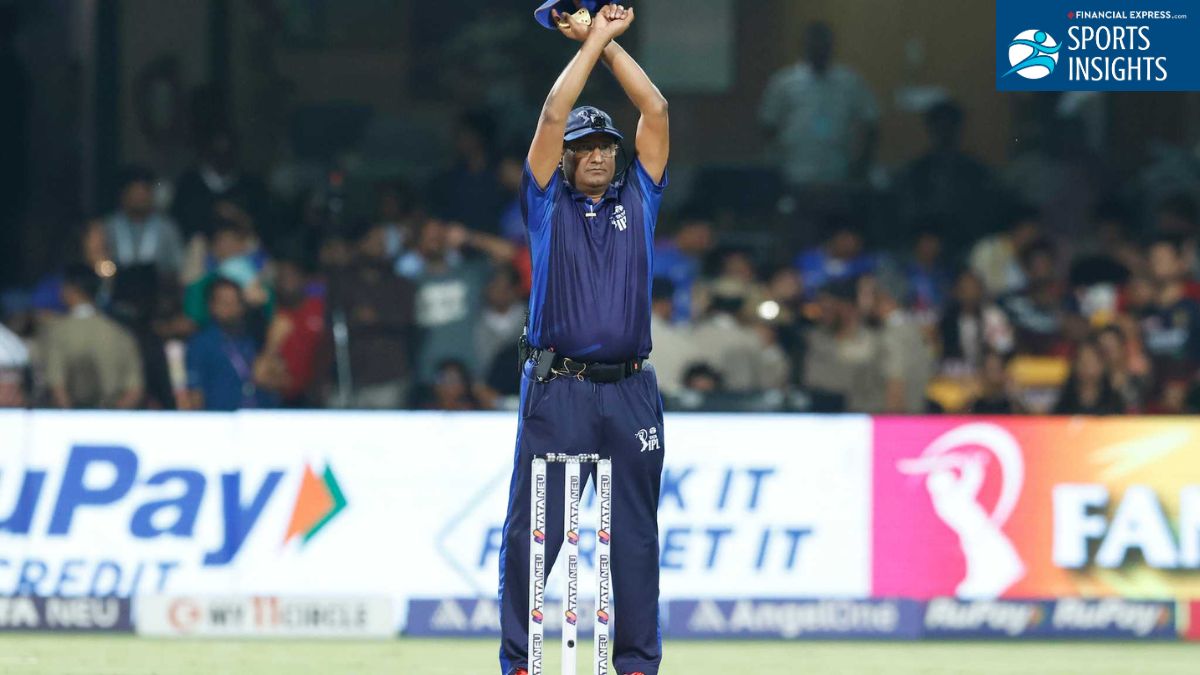
Most fans remember March 31, 2023 as just another season opener. The Board of Control for Cricket in India (BCCI) called it “innovation.” They borrowed from football and basketball, where substitutes shift games in an instant. The Impact Player was born.
Three years later, we are watching something else entirely. The rule was meant to add spice. Instead, it is removing the very ingredient that makes cricket worth watching. The all-rounder – that rare creature who does everything – is becoming extinct in the world’s richest tournament. And nobody planned for this.
What the Rule Actually Does
Here is the simple version. Each team picks eleven players at the toss. They also name five substitutes. Anytime during the match – before an innings starts, after an over, when a wicket falls, even if a batter retires hurt – they can swap one starting player for a substitute.
The new player bats. He bowls his full four overs. The man he replaced sits in the dugout. He cannot even field.
The old Super Sub rule from 2005 failed because you had to name your substitute before the toss. Lose the toss on a flat pitch and you were stuck. This new version lets you wait. You see the conditions and decide. It sounds smart. It plays different.
Twelve players. Effectively. Every single match.
Numbers Tell a Story
Before 2023, scoring 200 in a T20 match meant something. Between 2018 and 2022, the IPL saw 66 such totals. That is roughly 13 per season. Last year alone, teams crossed 200 fifty-two times. The average runs per over has jumped from 8.05 to 9.62 in last 5 seasons. 11 times since 2023, teams made 250-plus. That had happened only once in seventeen years before this rule arrived.
| Era | Season | 200+ Scores | Percentage of Total Innings | Avg Runs Per Over (RPO) |
| Pre-Impact | 2021 | 9 | ~7.5% | 8.05 |
| Pre-Impact | 2022 | 18 | 12.16% | 8.54 |
| Impact Era | 2023 | 37 | 25.00% | 8.99 |
| Impact Era | 2024 | 41 | 28.47% | 9.56 |
| Impact Era | 2025 | 52 | 36.62% | 9.62 |
Virat Kohli said it plainly. Knowing a proper batsman waits at number eight or nine changes everything. You swing from ball one. You do not build. You explode.
The game has become two batting units taking turns. Bowlers are props in this show.
Where the All-rounders Went
This is the part that hurts. In normal cricket, you need balance. Six batsmen. Five bowlers. Maybe one of those batsmen can roll his arm over. Maybe one bowler can hit a bit. You compromise. You hide weaknesses. You find players who bridge both worlds.
The Impact Player removes that math. You can bat with seven specialists. Then you swap one out and bring in a fifth bowler who does not need to hold a bat. Or you start with five bowlers and substitute in a pure hitter later. You get two teams in one. No all-rounder required.
Look at Shivam Dube. Big man. Hits spin miles. Chennai Super Kings used him as exactly that in 2023. 16 matches. Zero balls bowled. Not because he cannot bowl. Because why would you risk it?
In the T20 Internationals, Dube has bowled more than 50 overs in last 2 years and picked up 20+ wickets as well. The skill did not vanish. The reason to use it did.
Washington Sundar bowls less. Abhishek Sharma bowls less. Venkatesh Iyer stopped bowling entirely in some seasons. These are not fringe players. These are India internationals being turned into half-cricketers.
The Kapil Dev Question
India has been hunting for the next Kapil Dev since 1994. Fast bowler who wins matches. Batsman who changes games. Leader. The rarest combination in cricket.
The Impact Player makes that search pointless. Why would a franchise invest years developing a pace-bowling all-rounder? They are expensive. They break down. You can just buy a fast bowler and a batsman separately. Swap them when needed. Cheaper. Safer. Boring.
Axar Patel heard it directly. Team management asking why they need an all-rounder at all. The logic is brutal. If you can pick specialists for every situation, generalists become luxury items. And luxury items get cut when budgets tighten.
The damage runs deeper. Young players entering the system now specialize early. They watch the IPL. They see the path. Bowl fast OR bat big. Not both. The pipeline is drying up.
The International Problem
Here is what keeps coaches awake. The IPL uses twelve players. International cricket uses eleven. Always has. Probably always will.
Rohit Sharma said it straight. This sport is played by eleven, not twelve. The rule is holding all-rounders back from taking responsibility. When these IPL specialists reach national colours, they face a game they barely recognize. No substitute to save them. No safety net. Just the old pressure of doing both jobs.
Rahul Dravid noticed it too. Under the old system, players learned through failure. Bowled a bad over with the game on the line? That memory stays. Helped you grow. Now you get substituted out. Someone else carries the burden. You learn nothing.
The Other Side
Not everything is ruin. Tushar Deshpande got his break as an Impact Player. Went on to lead Chennai’s attack. Dhruv Jurel hit enough as a substitute to earn an India call-up. Amit Mishra extended his career by focusing purely on leg-spin, subbing himself out when his fielding became a liability.
Domestic players who might have warmed benches now get many matches a season. The rule creates opportunity. It just creates the wrong kind of opportunity for the wrong kind of cricket.
What Comes Next
The BCCI already knows. They scrapped the Impact Player for the domestic Syed Mushtaq Ali Trophy. Back to eleven versus eleven. Preparation for international cricket. But the IPL keeps the rule.
Entertainment value, they say. Viewer engagement. The tournament that pays for everything else in Indian cricket cannot afford to risk its ratings.
By 2027, the board must decide. Continue with a format that breaks the all-rounder. Or return to cricket as it was designed. Eleven players. Bat and bowl. No hiding.
The next Kapil Dev is probably fourteen years old right now. Practicing his bowling run-up in the morning. Facing throwdowns in the evening. In three years, he will enter a system that tells him to pick one. The IPL will reward him for specializing. The national team will suffer for it.
That is the real impact. Not the scores. Not the records. The slow disappearance of cricketers who could do it all, replaced by cricketers who do one thing well and let someone else handle the rest.
Cricket was never meant to work that way.