



More than 100,000 football fans have signed an online petition urging FIFA to replay the 2026 World Cup final after Argentina’s 1-0 extra-time defeat to Spain. While the campaign has gathered momentum on social media, the chances of the result being overturned remain virtually non-existent under football’s laws.
The petition, created on Change.org by Argentine supporter Gisela Sanchez, had attracted more than 101,000 verified signatures by Saturday. It calls on FIFA to investigate the officiating of Slovenian referee Slavko Vincic, alleging that a series of controversial decisions influenced the outcome of the final.
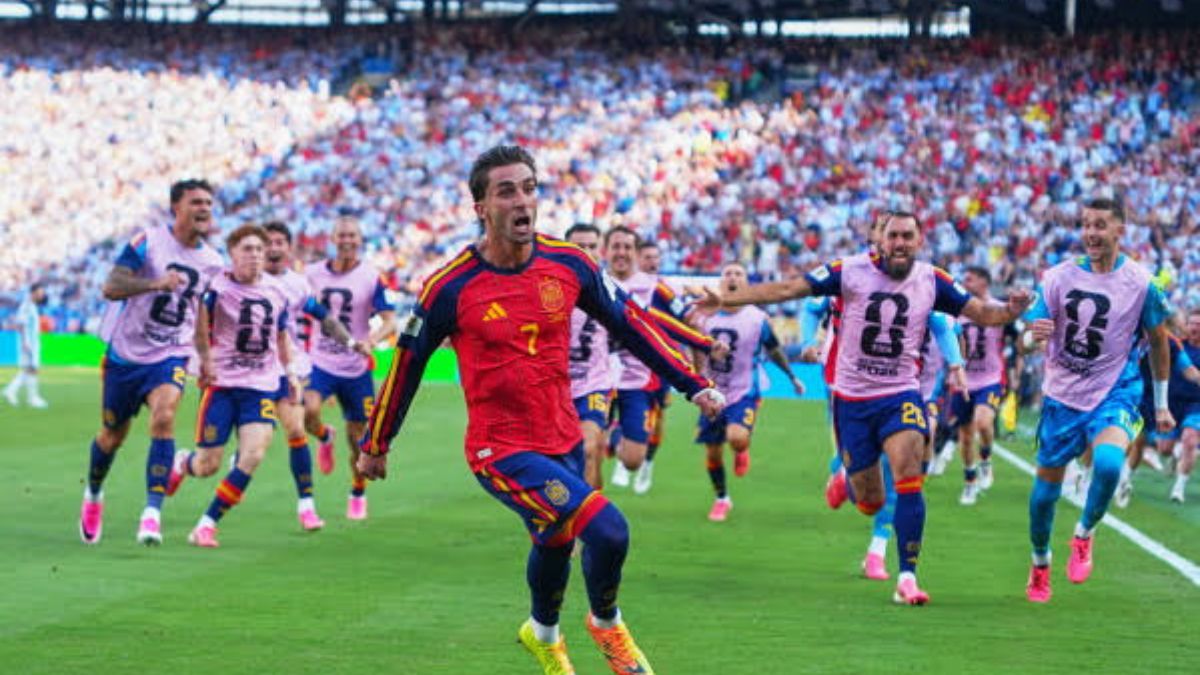
Spain defeated Argentina 1-0 after extra time at MetLife Stadium in New Jersey, with Ferran Torres scoring the decisive goal in the 106th minute to hand La Roja their second FIFA World Cup title.
For Argentina, the defeat ended hopes of becoming the first nation since Brazil in 1962 to successfully defend the World Cup. It also potentially marked Lionel Messi‘s final appearance on football’s biggest stage.
Why are fans demanding a replay?
The petition argues that Vincic delivered what it describes as a “controversial and corrupt” refereeing performance, claiming several decisions went against Argentina during the final.
Supporters have cited clips circulating on social media which they believe show officiating errors and have urged FIFA to conduct what they describe as a transparent investigation into the match.
Argentina also finished the final with 10 men after midfielder Enzo Fernandez received a second yellow card before Spain eventually found the winner in extra time.
However, neither FIFA nor any official body has indicated there were officiating failures serious enough to question the validity of the result.
Can FIFA replay a World Cup final?
In practical terms, no. Under FIFA regulations and the Laws of the Game, a completed match cannot be replayed simply because supporters disagree with refereeing decisions. Results are considered final unless there is evidence of extraordinary circumstances such as proven match manipulation, ineligible players, or administrative breaches.
An online petition, regardless of how many signatures it receives, has no legal or sporting authority to compel FIFA to replay a match. There has also been no verified evidence presented publicly to support allegations of corruption or deliberate manipulation involving Vinčić or FIFA.
Argentina’s football authorities reject conspiracy claims
Significantly, Argentina’s own football leadership has distanced itself from the replay campaign. Argentine Football Association president Claudio “Chiqui” Tapia accepted Spain’s victory, saying the European champions deserved to win.
“They were superior, they won fair and square, and we have to acknowledge that,” Tapia said, while urging supporters not to be influenced by misinformation circulating after the final.
Head coach Lionel Scaloni has also rejected suggestions that refereeing determined the outcome, instead acknowledging Spain as the better side on the night.
Not the only viral World Cup petition
The replay petition is only one of several online campaigns sparked by the tournament. Earlier during the World Cup, a separate petition calling for Argentina to be banned from future FIFA World Cups claimed to have gathered more than 23 million signatures before it was closed following Spain’s victory in the final.
That campaign accused FIFA and match officials of favouring Argentina and Messi throughout the tournament. The figure, however, was reported by the organisers and was not independently verified.
Together, the competing petitions underline how divisive the 2026 World Cup became online, even though football’s governing body continues to recognise Spain as the undisputed world champions.