



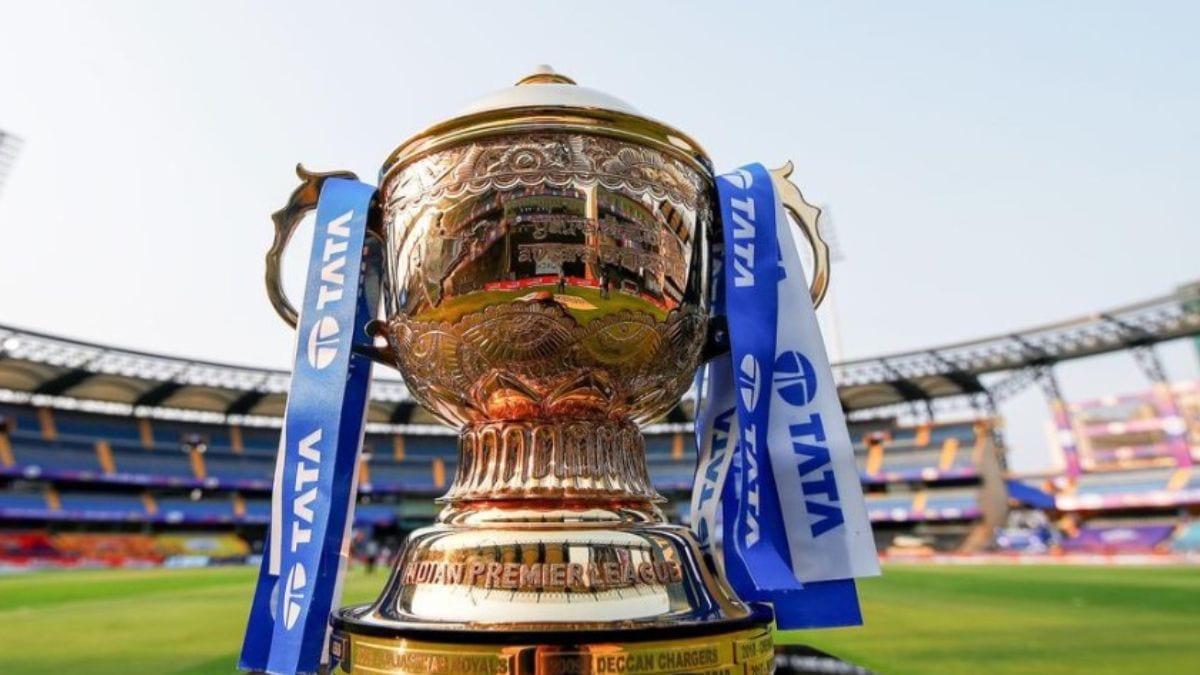
The IPL 2026 final between Royal Challengers Bengaluru (RCB) and Gujarat Titans (GT) at the Narendra Modi Stadium in Ahmedabad will decide not only the champion but also the distribution of one of the largest prize pools in franchise cricket.
The Board of Control for Cricket in India (BCCI) has allocated more than ₹46.5 crore as total prize money for the season, with ₹20 crore reserved for the winning team.
Winner takes ₹20 crore, runner-up gets ₹13 crore
The IPL champions will receive ₹20 crore in prize money, continuing the league’s established reward structure for title winners.
The losing finalist will not return empty-handed. The runner-up is set to earn ₹13 crore, making the final a significant financial contest even for the team that falls short.
With both RCB and GT having previously won the IPL once each, the 2026 final guarantees a second title for one franchise and a major financial payout.
Full IPL 2026 prize distribution explained
Beyond the final, the IPL 2026 prize structure rewards all playoff teams:
- Winners: ₹20 crore
- Runners-up: ₹13 crore
- Third place (losing Qualifier 2): ₹7 crore
- Fourth place (Eliminator exit): ₹6.5 crore
This ensures that all four playoff teams receive multi-crore payouts for their performance across the tournament.
Total IPL 2026 prize pool crosses ₹46.5 crore
The combined prize pool for IPL 2026 exceeds ₹46.5 crore, making it one of the most lucrative editions of the tournament.
While the winner’s share remains the largest single payout, the structured distribution ensures financial rewards are spread across top-performing teams in the playoffs.
How IPL prize money has evolved since 2008
IPL prize money has grown significantly since the inaugural season.
- 2008–2009: ₹4.8 crore for winners
- 2010–2013: ₹10 crore
- 2014–2015: ₹15 crore
- 2016–2019: ₹20 crore
- 2020: ₹10 crore (reduced due to COVID-19 impact)
- 2021–2026: ₹20 crore
The current ₹20 crore winner’s purse has remained stable in recent editions, reflecting the league’s commercial maturity.
No official prize money beyond top four
Teams finishing outside the top four do not receive direct prize money from the league.
However, franchises continue to earn significant revenue through broadcasting rights, sponsorship deals, ticket sales, and merchandise throughout the season.
How prize money is shared within franchises
Under IPL rules, prize money is typically split equally between players and franchise owners.
- 50% distributed among players
- 50% retained by franchise management
This structure ensures that both on-field performance and team ownership benefit financially from success.
Individual awards add further earnings
In addition to team payouts, players are eligible for individual cash rewards for performances such as the Orange Cap and Purple Cap. Other than RCB and GT, their players are also in contention for some cash rewards.
GT skipper Shubman Gill with 722 runs has the best chance of overtaking Vaibhav Sooryavanshi’s tally of 776 runs and getting the Orange cap. Sai Sudharsan is also in the race with 710 runs.
It’s a direct GT vs RCB faceoff in the Purple Cap race with Gujarat’s Kagiso Rabada currently leading the race with 28 wickets and Bengaluru’s Bhuvneshwar Kumar trailing him with 26 wickets.
Some of the individual awards can carry additional payouts of up to approximately ₹1 crore.
Final financial stakes
With ₹20 crore on offer for the champions and ₹13 crore guaranteed for the runner-up, the IPL 2026 final represents one of the most significant single-match financial events in franchise cricket.
For RCB and GT, the Ahmedabad clash will determine not only the season’s winner but also the largest financial reward in the tournament.