



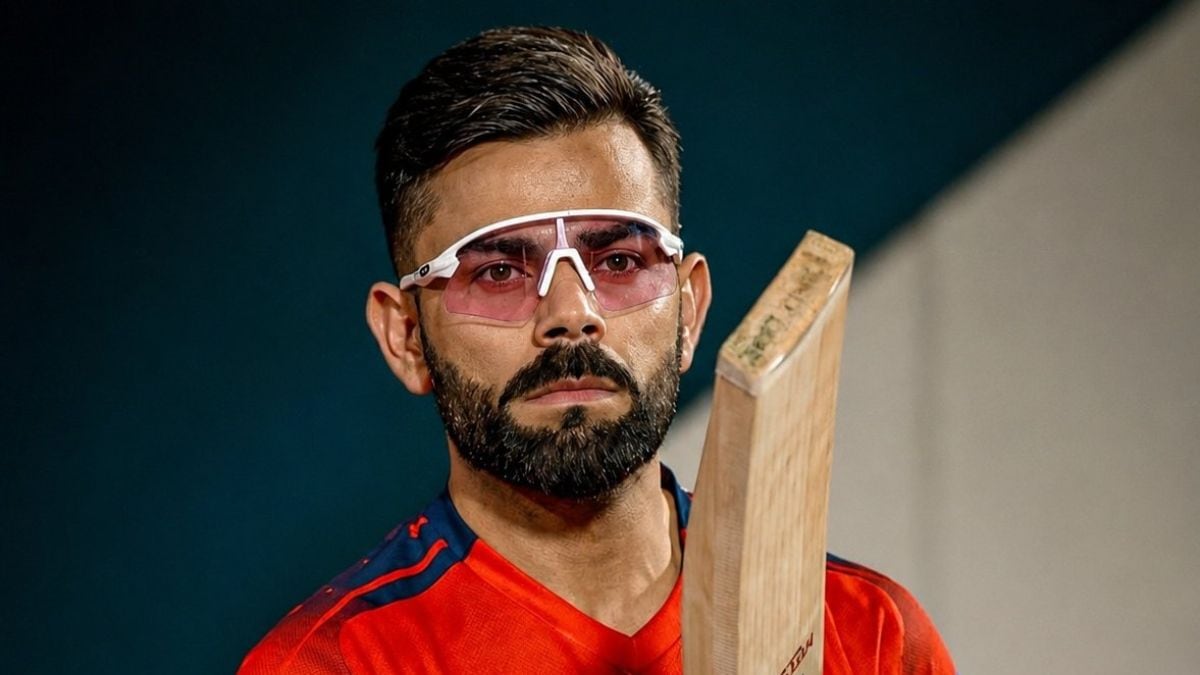
The Board of Control for Cricket in India (BCCI) is on a spree to cut down as many things as possible to make the Indian Premier League (IPL) as fair as it could get. After asking franchises to rein in their players from making vlogs while the IPL is on, to dismantling black ticketing market, they have now come up with yet another unique ban.
The BCCI, on the recommendation of its Anti-Corruption and Security Unit (ACSU), has issued a strict advisory prohibiting players, support staff, and match officials from possessing or wearing smart sunglasses inside the Players and Match Officials Area (PMOA), which includes dressing rooms and team dugouts.
The decision shifts high-tech eyewear from standard sports gear to heavily restricted electronic devices.
What Are Smart Sunglasses?
To the naked eye, these high-tech spectacles look exactly like the aerodynamic, wraparound athletic sunglasses popularized by premium sportswear brands.
In reality, they function like a mini smartphone seamlessly integrated into an eyewear frame. Designed to let athletes operate completely hands-free, these smart glasses connect via Bluetooth to a mobile data or Wi-Fi network. They are heavily equipped with:
- Hidden Cameras: Able to capture point-of-view (POV) high-definition instant photos and seamless video recording.
- Advanced Communication Tech: Built-in capabilities for sending and receiving text messages, alongside voice-commanded audio and video calling.
- Live Streaming Engines: The ability to stream live footage directly from the wearer’s perspective to an external app, device, or internet server.
- Open-Ear Speakers: Tiny audio speakers fitted near the temple area that project sound directly into the wearer’s ears without blocking ambient environmental noise. This means a person can listen to a secret phone call while fully hearing what their teammates or coaches are saying on the field.
Why Are Smart Sunglasses Banned By BCCI?
The ban is not about sports performance or an unfair physical advantage; it is a strict anti-corruption and integrity measure.
Cricket has long-standing, unyielding rules implemented by the ICC and BCCI regarding the PMOA Minimum Standards. To combat match-fixing and spot-fixing, players and officials are required to surrender their mobile phones, smartwatches, and laptops the moment they enter the stadium on match days. This ensures no outside information, betting odds, or live tactical input can filter into the dressing room during play.
The sudden surge of technology companies marketing and selling smart sunglasses directly to IPL franchises, players, and support staff created an immediate security loophole.
“Under the PMOA Minimum Standards, such goggles/glasses are classified both as an ‘Audio/Video Recording Device’ and a ‘Communication Device,'” the BCCI stated in its official advisory.
“Kindly note that these devices are equipped with advanced communication features, including live streaming, sending and receiving text messages, as well as audio and video calling capabilities through mobile data or Wi-Fi networks. It is hereby notified that the possession and/or use of ‘Smart Goggles’ is strictly prohibited within the Players and Match Officials Area (PMOA).”
Because these glasses can subtly stream live dugout conversations, record internal strategy boards, or receive hidden tactical audio cues via voice text, they represent an unacceptable security risk. Under the new protocol, players must deposit their smart eyewear with the designated Security Liaison Officer (SLO) alongside their phones upon arrival. Non-compliance will be treated as a direct code of conduct breach.
This crack-down follows other recent electronic breaches in the tournament—earlier this season, Rajasthan Royals’ manager Romi Bhinder was fined ₹1 Lakh and handed an official warning after being caught on camera using a mobile phone inside the team dugout during a match.
How Much Does a Smart Sunglass Cost?
The cost of this technology depends heavily on the lens composition, integrated hardware, and the manufacturer:
Smart Glasses & Power Eyewear Cost Breakdown
| Type of Eyewear | Core Features | Estimated Price Range (INR) | Estimated Price Range (USD) |
| Standard Smart Sunglasses (e.g., basic smart frames) | Open-ear audio, hands-free calling, voice text, video/photo capture. | ₹25,000 – ₹40,000 | $300 – $480 |
| Premium Sports Smart Glasses (Custom athletic frames) | Advanced live-streaming capability, rugged sports frames, polarized lenses. | ₹45,000 – ₹75,000+ | $540 – $900+ |
| Prescription “Power” Sports Glasses (Standard Non-Smart) | Purely optical vision correction, transition/photochromic lenses for light adjustment. | ₹1,500 – ₹15,000 | $18 – $180 |
Clarification on “Power” Lenses: It is crucial to note that the BCCI has not banned standard prescription spectacles or sports sunglasses featuring corrective “power” lenses used by players with near- or far-sightedness. Purely optical sunglasses remain perfectly legal on the field. The ban strictly targets the high-tech, electronic “smart” sunglasses carrying active digital communication and recording chips.
With the IPL clamping down heavily on security, the elimination of smart glasses ensures that the only strategy driving the game remains strictly between the players’ ears, and not fed through their frames.