



By Sanjiv Bajaj
As Covid-19 cases rise in India, treatment costs in a good hospital would require Rs 4-5 lakh. If more than one family member gets hospitalised, it may become a precarious situation if you have a policy of Rs 4-5 lakh. So, how can you ensure adequate health insurance at a nominal cost?

Base health insurance plans
The base health insurance plan covers hospitalisation expenses including pre and post-hospitalisation expenses such as cost of medicines, doctor fees, diagnostic tests etc. Regular health insurance plans come in two basic variants: Individual plans and family floaters.
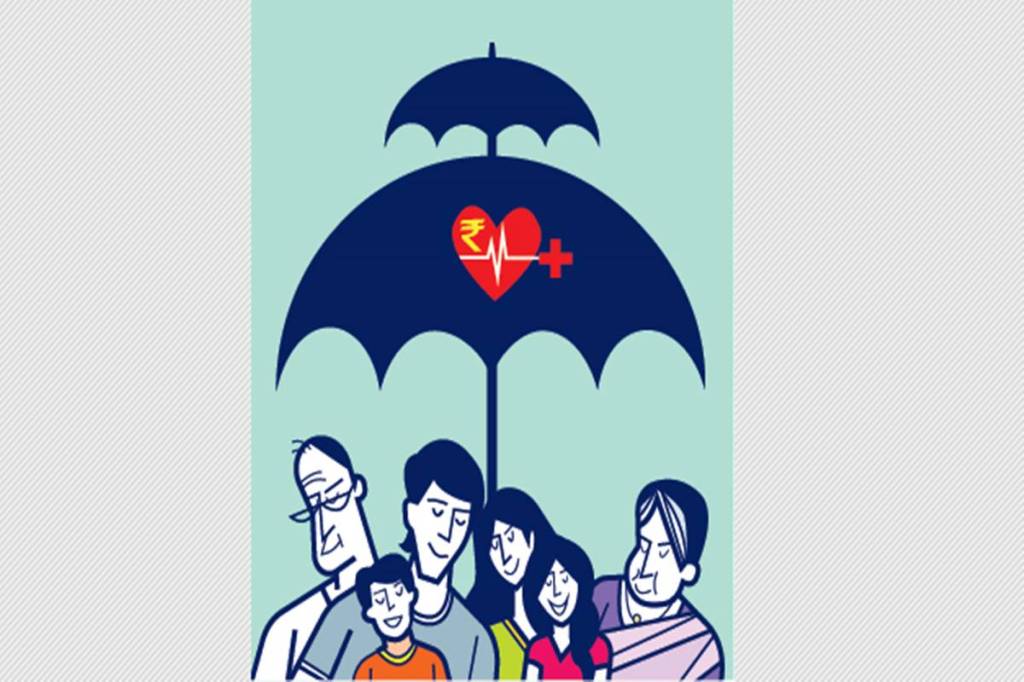
The family floater plan brings the entire family under one umbrella cover. This plan should be good enough to cover normal hospitalisation in a good hospital. We suggest a minimum of Rs 10 lakh base hospitalisation cover, given the high treatment cost in good hospitals. However, in case of multiple hospitalisations in the same family or long-term hospitalisations, a higher sum insured will be required.
The cost-effective way to increase the health cover would be a super top-up plan. However, take note of deductibles in a super top-up plan, which is the level beyond which the super top-up can be utilised for paying the expenses. The deductible is a cost-sharing requirement under a health insurance policy. A super top-up plan is best utilised when your deductible amount is equivalent to your base health cover.
Also, in most super top-up policies, there is no requirement of medical check-ups up to the age of 55 years. In regular health plans, this is usually 45 years. One may not be able to buy a sizable base health plan for Rs 30-40 lakh given the high premium but can look at a combination of Rs 10 lakh of base cover along with Rs 30 lakh super top-up which comes at a very meagre premium.
Critical illness insurance plan
The critical illness insurance plan provides coverage for life-threatening/ chronic illnesses that require treatment over a long period of time. A critical illness plan covers a specific number of listed critical illnesses with claim disbursement in the form of lump sum to a policyholder at the time of diagnosis provided he survives for a certain period depending on the plan.
In case of critical illness, generally people end up staying at home translating to “loss of income”. Since the policy pays a lump sum on diagnosis, the money can be invested to ensure reasonable monthly returns to meet daily expenses.
There are long-term expenses associated with a critical illness in the form of medicines for 9-10 months, periodical doctor visits and medical tests. It is useful in covering long-term expenses that can’t be covered in the base health plan beyond the post-hospitalisation period. These plans are extremely low cost. Critical illness plans for people up to 40 years should cost about Rs 5,000 for a Rs 10-lakh plan.
A combination of base health insurance plan along with super top-up and critical-illness would ensure a sizable health cover at a very nominal cost. It would take care of cost on account of long-term hospitalisations due to severe illnesses and long-term expenses associated with it.
The writer is joint chairman & MD, Bajaj Capital