



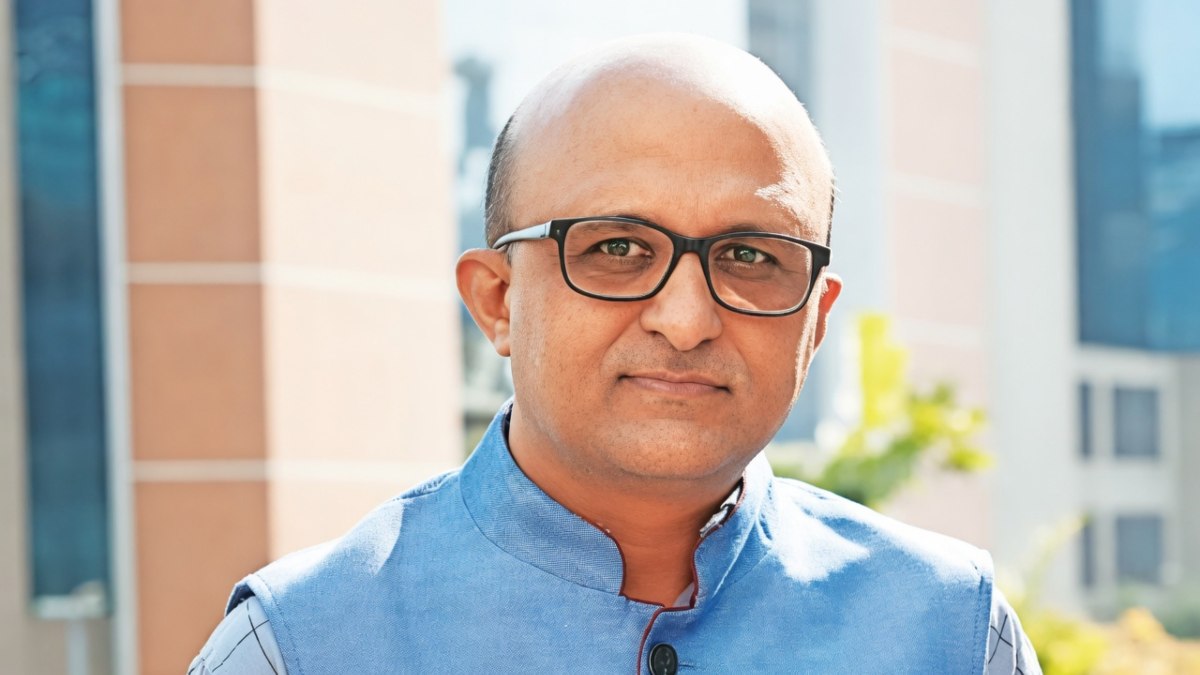
Havells has evolved from a traditional electrical company into a consumer-facing brand, underpinned by strong R&D capabilities spanning product engineering, energy systems, and advanced technologies. As technology becomes deeply embedded in physical products and energy systems, innovation is shifting from short-term experimentation to long-term R&D leadership, says Dipesh Shah, executive president and CTO of Havells India. In an interview with Sudhir Chowdhary, he explains how the company is translating advanced technologies into reliable, consumer-ready solutions. Excerpts:
What fuelled Havells’ move to a consumer-facing brand?
We continue to be leaders in the electrical field. We are moving with the consumer lifestyle changes to provide them devices that enable them to live their life conveniently and comfortably. Our brand, design, quality and distribution allows us to meet the needs of young consumers across India in relevant product categories.
We have expanded our portfolio significantly entering appliances and consumer durables and strengthened our omni-channel presence across general trade, modern retail, and digital platforms. This has allowed us to move closer to the end consumer and build a more direct relationship with them. We are evolving from product-led growth to experience-led engagement with consumers.
Havells operates across 16 manufacturing plants and 45 offices in India, supported by over 1000+ exclusive brand stores and presence across 70+ countries, reflecting the scale of its omni-channel distribution network.
What are the biggest shifts you’re seeing in Indian consumers when it comes to appliances and electrical products?
We are seeing a clear shift toward premiumisation, with electrical products increasingly becoming lifestyle choices rather than purely functional purchases. Functionality alone is no longer enough – consumers now expect technology, aesthetics, and seamless integration into modern living.
There is also growing demand for smart and connected solutions that offer ease of use and control. At the same time, consumer behaviour is becoming more digital-first, with e-commerce, quick commerce, and experiential retail playing a larger role in the purchase journey. They want their devices to understand them and not the other way around.
Which segments do you see driving Havells’ growth over the next few years?
Our growth will be driven by electrification, premiumisation, and digitisation across our portfolio. Categories such as fans, lighting, consumer durables and switchgear continue to benefit from under-penetration and increasing electrification. The renewable category is another growth category for Havells. Within these, premium segments like BLDC fans, smart lighting, and design-led products are growing faster. We are also building momentum in emerging categories such as kitchen appliances and small domestic appliances. Lloyd will remain a key driver in scaling our presence in large consumer durables.
Havells is relevant both in B2C and B2B enterprise markets. With the new growth vectors in India like renewable energy, emergence of data centres, luxury lifestyle, Havells has a product that matches these trends.
Electrical products are becoming smarter and more connected. How is Havells adapting to this shift?
We are embedding intelligence into our products at the design stage, rather than treating connectivity as an add-on. Our focus is on building products that combine performance, energy efficiency, and intuitive smart features. This includes sensing, voice-enabled controls, and real-time optimisation based on user behaviour. At the same time, we are building a digital ecosystem around these products through platforms like our consumer app and integrated service channels, ensuring a seamless experience beyond just the hardware.
Overall, our approach is to bring together product innovation, software, and consumer experience to make connected living more intuitive and accessible. AI will play an important role both in development of these experiences and to provide unique value to consumers in their products.
How is Havells integrating IoT and smart technologies into its product lineup?
IoT is a core pillar of our product and ecosystem strategy. We are introducing connected appliances, smart lighting, and energy management solutions that allow consumers to monitor and control their usage in real time.
In parallel, we are building a broader digital ecosystem through platforms like the Havells One app, which integrates shopping, service, loyalty, and IoT functionalities. This enables us to deliver a more connected and seamless consumer experience.
Consumers will get to discover, control, and manage their devices. The devices themselves will self-diagnose and manage their performance status. Each individual is unique and a customized experience will be built for them.
What role is automation and smart manufacturing playing in improving efficiency and scale?
Automation and digitisation are central to improving both efficiency and long-term competitiveness. We have invested in robotics, interconnected systems, and technologies such as manufacturing execution systems (MES) to enable real-time monitoring, better process control, and consistent product quality.
Our focus on backward integration and in-house manufacturing also helps us improve supply chain efficiency, enhance flexibility, and maintain high standards of quality as we scale. Smart manufacturing enables agility, scalability, and consistent quality. Havells has invested in indigenisation and backward integration to achieve self-sufficiency or Atmanirbharta.
Energy efficiency is becoming a key buying factor. How is Havells innovating here?
Energy efficiency is becoming a baseline expectation rather than a differentiator. We are designing products that deliver high performance while optimising energy consumption- across motors, lighting, and appliances.
Energy efficiency is also being driven through product innovation, with solutions such as lighting products delivering up to 30% higher energy efficiency and specialised applications achieving up to 25% energy savings. We are also leveraging smart technologies to help consumers better understand and manage their energy usage. On the operations side, we continue to invest in energy management systems, process optimisation, and renewable energy to reduce our environmental footprint while improving efficiency.
We are core players for energy in India from generation (renewables), distribution (cables and wires) and consumption (electrical and electronics consumer appliances). We will responsibly grow these businesses to meet the increasing demand of energy in India as India grows.