



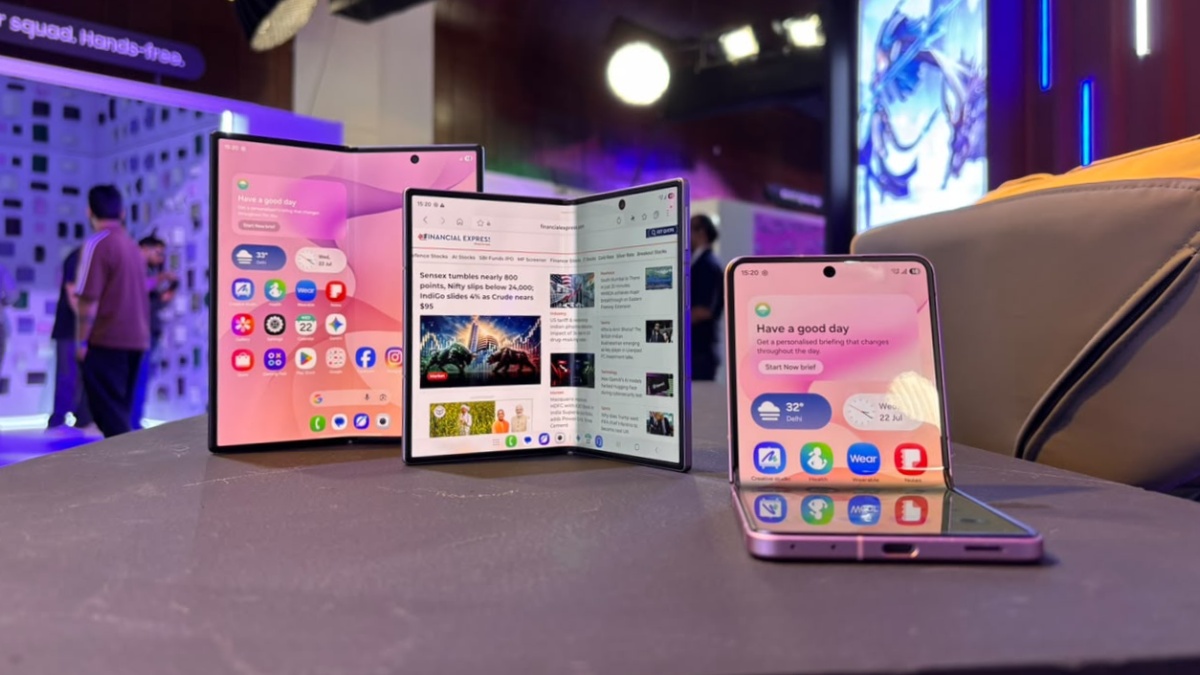
Samsung has finally taken the wraps off its flagship 2026 foldable lineup, and straight out of the box, it seems the sole focus is on refinement and a new widescreen layout. At an early pre-launch hands-on preview, I got to spend some time with the three foldables taking centre stage – the widescreen Galaxy Z Fold 8, the packed-to-the-brim Galaxy Z Fold 8 Ultra, and the ever-so-cutesy Galaxy Z Flip 8.
Unlike last year, there’s no Galaxy Z Flip 8 FE, or a more accessible Fan Edition. While Samsung stayed mum about its possibility, the rumours hint at the Flip 8 being the last of the Flip-style foldables, since Samsung wants to focus only on the large-style foldables.
Nonetheless, the Galaxy Unpacked 2026 event was all about these 3 models, and there was something instantly evident after experiencing these handsets – it is all about design and refinement this year.
It’s obvious that Samsung listened to years of user feedback. They haven’t just tweaked specs; they have reshaped how these phones feel in your hand and look to your eye.
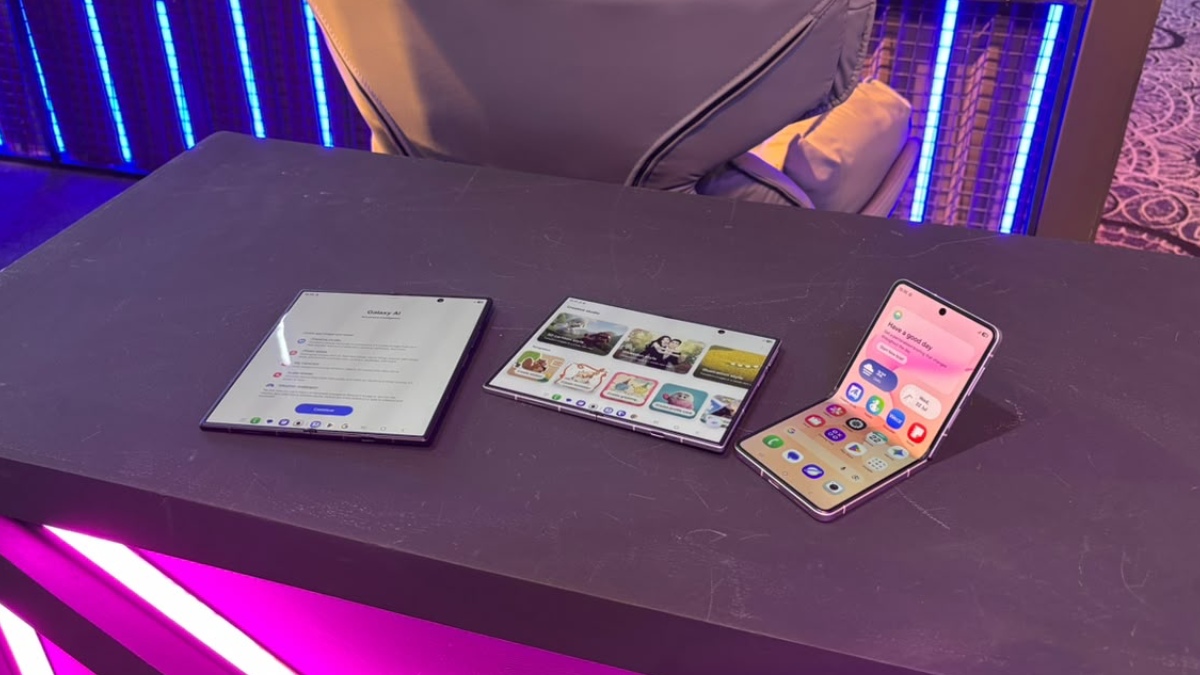
The Showstopper: Galaxy Z Fold 8 and its desirable widescreen
The moment you pick up the standard Galaxy Z Fold 8, the change hits you right away: it is wider, flatter, and immensely more natural.
– When you unfold it, the display ratio shifts to 4:3 – the aspect ratio that most video content is designed for.
– When you fold it shut, the 10:16 aspect ratio fits naturally most of the apps we use. Samsung says that Instagram feed and Reels should naturally fill up the Cover Display.
The new aspect ratio makes the outer display feel like a normal smartphone screen, which is visually comfortable. It feels easier to hold as well. Unfolded, the main display opens into a squarer, tablet-like landscape, which is ideal for split-screen multitasking. Based on the little time with the Fold 8, the widescreen accommodates most of the apps in the split-screen and multitasking view easily.
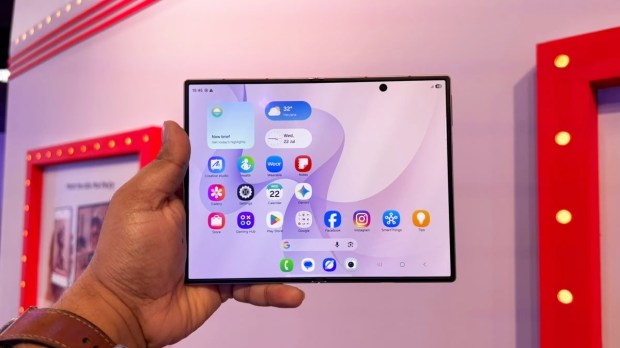
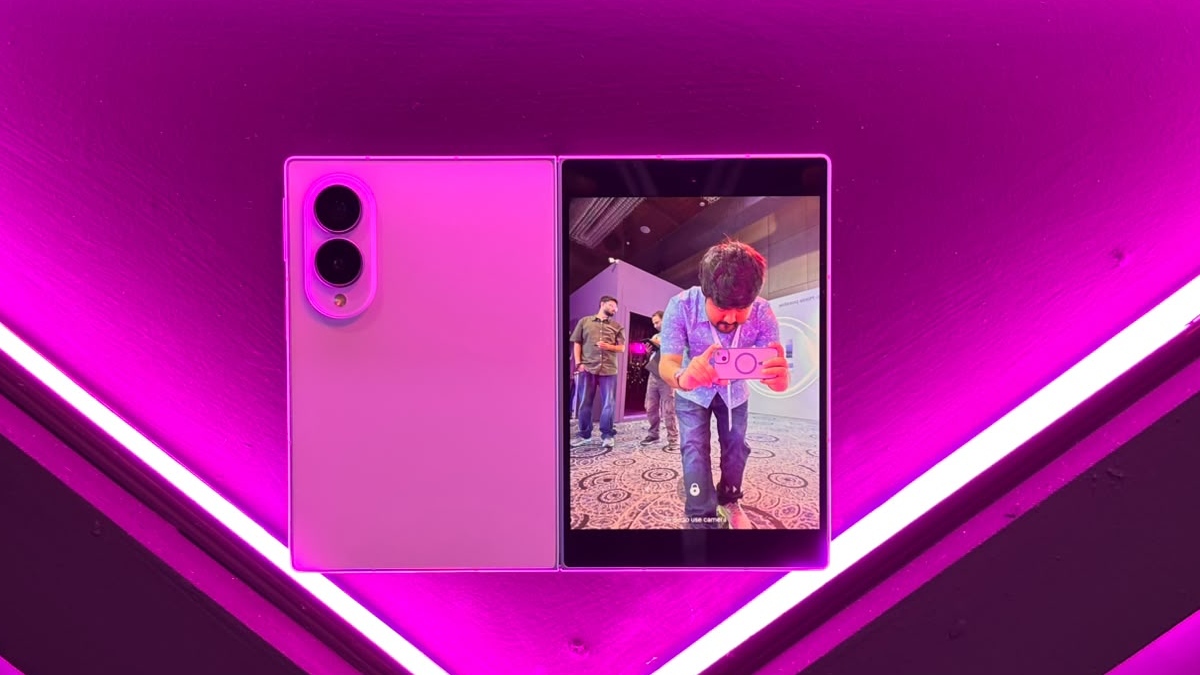
Then there’s the brightness. Samsung says the display supports up to 5,000 nits peak brightness, which, along with the anti-reflective coating, should help cut down on reflections. Under harsh, direct spotlighting in the demo zone, the display looked like vivid ink printed on paper.
The crease at the centre of the screen is also the talking point this year, as Samsung promises far less obstruction in viewing and less intrusive while touching. The new hinge system feels taut and firm, but it makes for a gapless folding experience.
Underneath the hood, both the Fold 8 and Fold 8 Ultra are powered by the Snapdragon 8 Elite Gen 5 processor, ensuring buttery-smooth UI transitions across One UI. On the Fold 8, daily reliability is backed by a 4,800mAh battery with 45W wired charging alongside wireless support, paired with a capable 50MP main + 50MP ultrawide camera array.
The Samsung Galaxy Z Fold 8, for 256GB variant, costs Rs 1,79,999, whereas the 512GB variant is priced at Rs 1,99,999. The 1TB version costs Rs 2,39,999.
Galaxy Z Fold 8 Ultra: The good-old Samsung Fold with more power
Sitting beside the standard Fold in the pretty burgundy-ish shade is Galaxy Z Fold 8 Ultra – an absolute device for power users. Since it is more of an iterative update to last year’s Galaxy Z Fold 7, here’s a collection of all the crucial changes Samsung made.
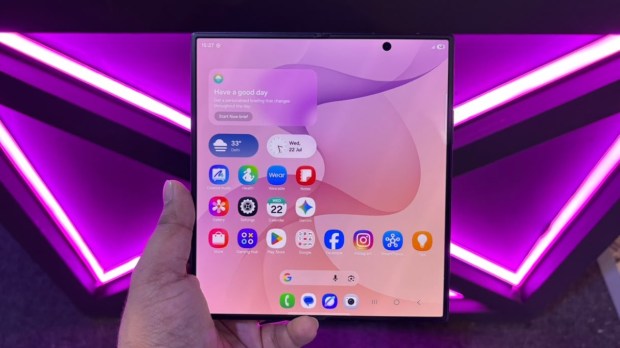
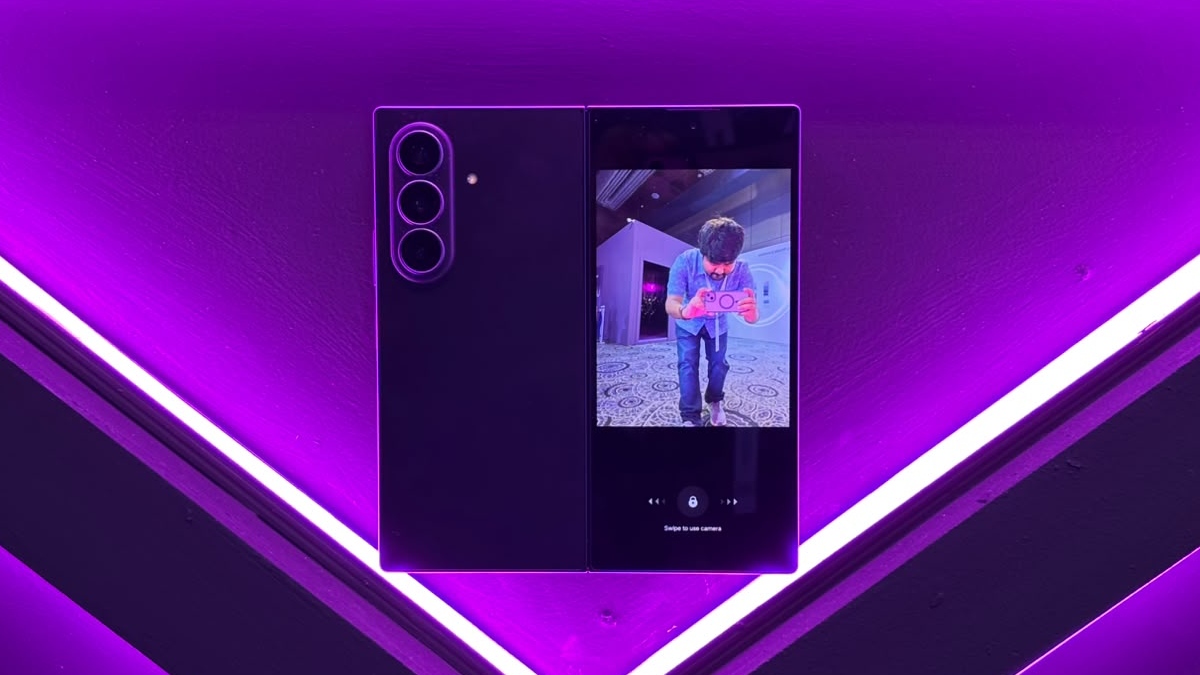
Slimmer than before: Despite sharp and squared-off corners, Samsung has managed to reduce the thickness of the Fold 8 Ultra down to 4.1mm from the Fold 7’s 4.2mm without changing the weight. This might not seem like a big deal, but it makes the phone a tad more comfortable to use.
Better cameras this time: The rear triple-camera module gets an elevated camera island housing a massive sensor layout, led by Samsung’s 200MP lens for the main shooter, a 50MP ultra-wide shooter, and a 10MP telephoto lens. The Fold 8
Bigger battery too: The Fold 8 Ultra gets the biggest battery capacity at 5,000mAh, along with 45W wired charging.
The Samsung Galaxy Z Fold 8 Ultra, for the 256GB variant, costs Rs 1,99,999, whereas the 512GB variant is priced at Rs 2,19,999. The 1TB version costs Rs 2,59,999.
Galaxy Z Flip 8 and its pocketable charm
If the Folds are built for heavy productivity, the Galaxy Z Flip 8 is built for joy. Here’s a quick rundown of the Flip 8, which is essentially a refreshed Galaxy Z Flip 7.
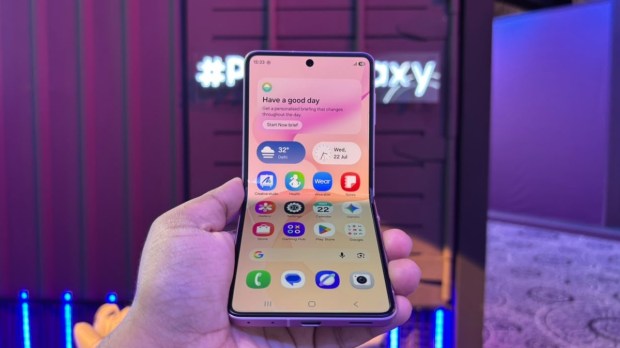
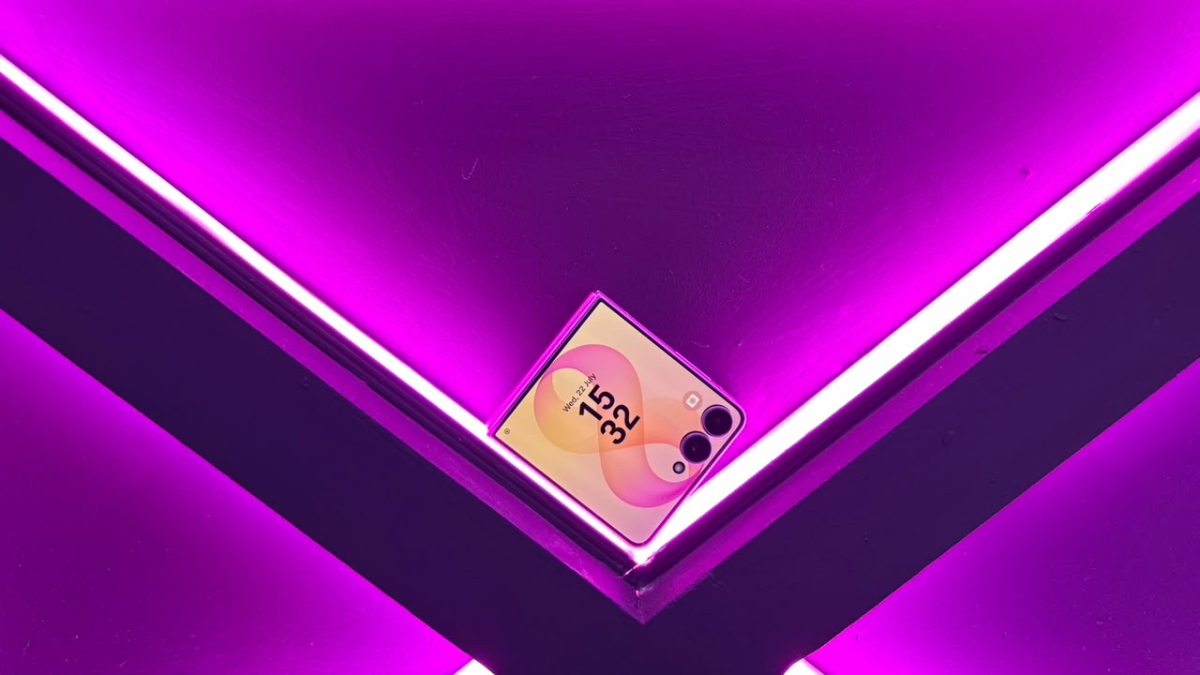
The Cover Screen: Taking a cue from last year’s edge-to-edge layout, the cover screen retains the wraparound effect around the camera lenses. It makes interactive widgets and quick notifications look stunning.
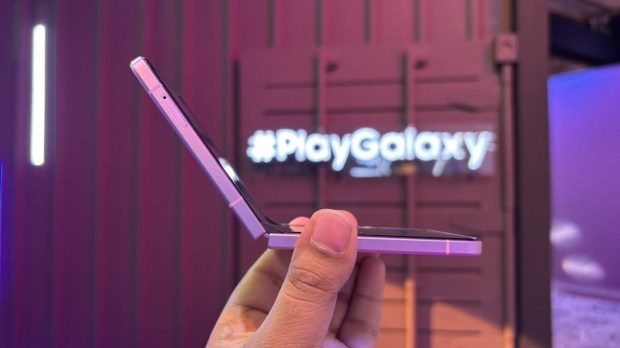
Tactile hinge: Folding the device mid-angle shows off its smooth, rigid hinge tension, which I find better than the stiffer hinge action on the Fold 8. It holds any angle smoothly, making tabletop selfies and tripod-free vlogging a breeze. As they say, don’t fix iif it ain’t broke.
Pretty colours: Finished in a soft pastel pink tone with colour-matched matte aluminium frames, the Flip 8 feels like a luxury fashion accessory as much as a phone.
Exynos power from Galaxy S26: Unlike its Snapdragon-powered Fold siblings, the Flip 8 is driven by the new Exynos 2600 chip from the Galaxy S26. This chip performed well with heat efficiency and snappy AI processing.
The Samsung Galaxy Z Flip 8 256GB variant costs Rs 1,24,999, whereas the 512GB variant is priced at Rs 1,44,999.
First Impressions: Samsung’s 8th-gen foldables mature
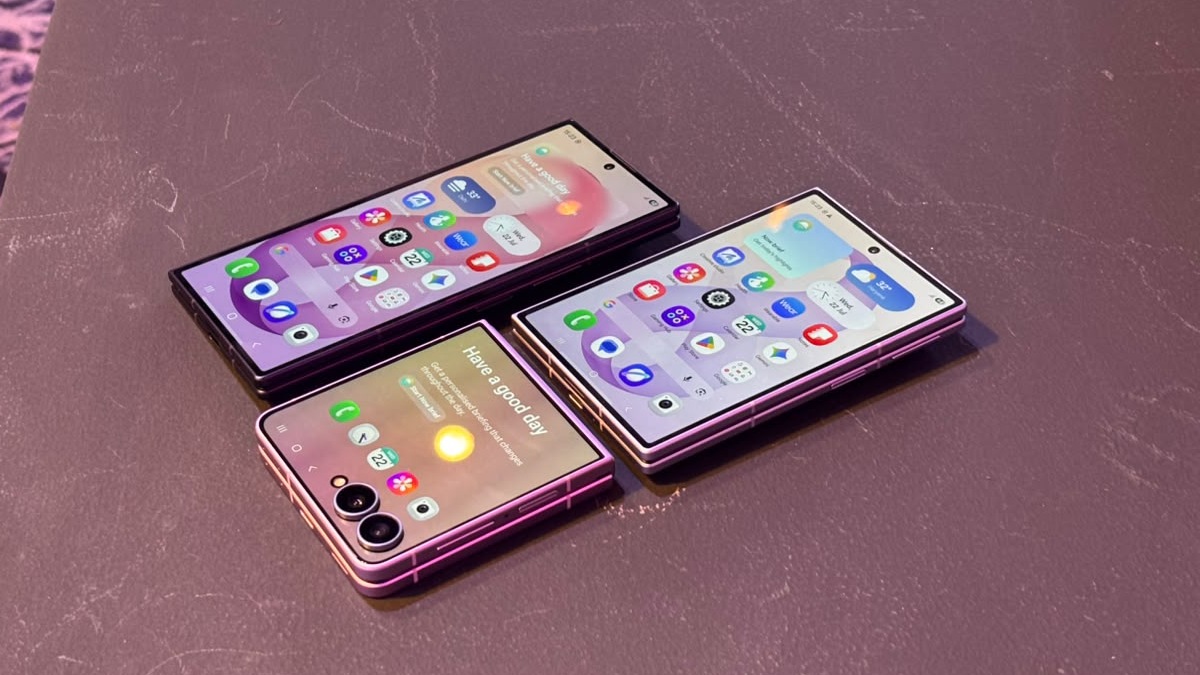
Samsung’s 8th-generation foldables no longer feel like experimental technology with compromises — they feel like almost-perfected daily drivers. By widening the Fold 8’s screen, upgrading the Ultra’s cameras, and refining the Flip 8’s compact charm, Samsung seems to have what it takes to win over the market ahead of the new iPhone launches.
Watch out for our in-depth reviews coming soon.