



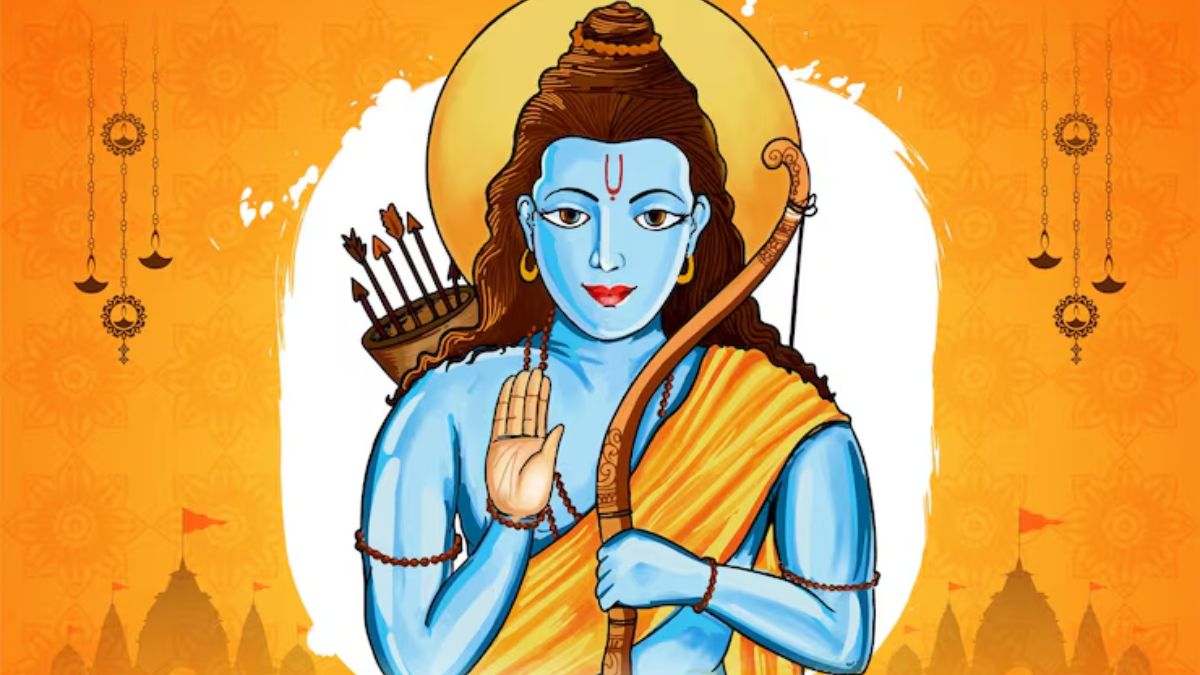
Ram Navami, which marks the birth of Lord Rama, is the most significant day of Chaitra Navratri. While it is widely celebrated by devotees across India, the 2026 calendar has led to some confusion over the exact date.
This confusion comes down to the Navami Tithi, the specific lunar phase linked to the festival. For most devotees, Ram Navami is observed on the day when the Tithi is present during the afternoon, as this period is believed to mark the time of Lord Rama’s birth.
According to the Drik Panchang, the Navami Tithi begins at 11:48 am on Thursday, March 26, and ends at 10:06 am on Friday, March 27. Because the Tithi covers the entire afternoon on Thursday, most households and local temples will celebrate then.
However, those following the Vaishnava tradition usually wait for the Tithi that is present at the moment of sunrise. Because of this, Vaishnava sectors will officially observe Ram Navami on Friday, March 27.
Ram Navami Puja Muhurat
The most important time for prayers is the Madhyahna Muhurat, which is believed to be the time of Lord Rama’s birth. This period remains the same.
Ram Navami Shubh muhurat: 11:13 am to 1:41 pm
Exact moment: 12:27 pm
Duration: 2 hours 27 minutes
What do devotees do on Ram Navami?
This year, Ram Navami falls on Thursday, March 26, 2026. While the Navami Tithi actually begins at 11:48 AM on Thursday and lasts until 10:06 AM on Friday, most devotees will celebrate on the 26th. This is because Lord Rama was born at midday, making the Thursday afternoon window the most auspicious time for rituals.
How to celebrate Ram Navami?
Devotees typically start the day with a ritual bath and clean their puja altars. Many keep a fast, consuming only fruits or satvik food after the midday prayers. In homes and temples, idols of ‘Ram Lalla’ are dressed in yellow and offered sweets like panjiri and kheer.
Powerful mantras to chant
According to Drik Panchang, you can seek peace and divine blessings by reciting traditional mantras dedicated to Lord Rama. Devotees often begin with the Moola Mantra, ‘Om Sri Ramaya Namah,’ to honour the lord of righteousness, or the protective Taraka Mantra, ‘Sri Rama Jaya Rama Jaya Jaya Rama.’
For those seeking clarity and wisdom, the Rama Gayatri Mantra, ‘Om Dasharathaye Vidmahe Sitavallabhaya Dhimahi, Tanno Ramah Prachodayat’ is highly recommended. Further, chanting Ram Rameti Rameti, Rame Rame Manorame, Sahasranama Tattulyam, Rama Nama Varanane is a powerful practice for inner peace, as it is believed that uttering the name of Rama just once is equivalent to reciting the thousand names of Lord Vishnu.