



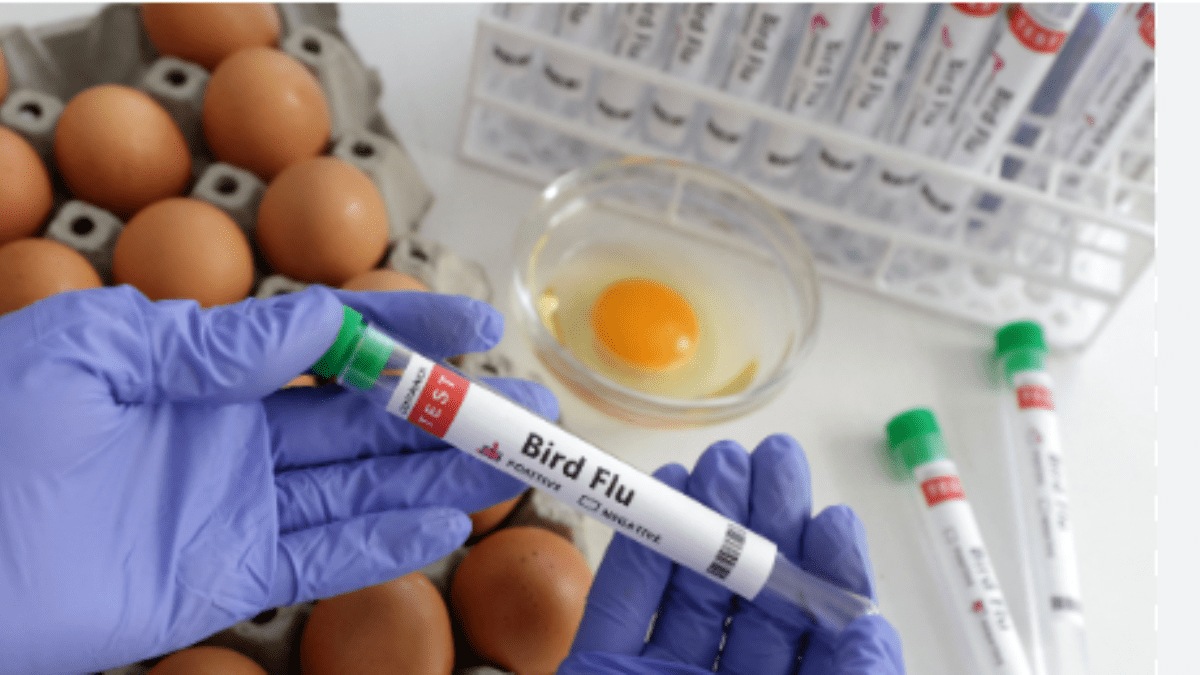
Bird Flu (H5N1) in United States: As the menace of bird flu or H5N1 continues to wreak havoc in the United States, the officials have identified the first human case of bird flu in a patient from Missouri who had no known contact with infected animals.
According to the Centers for Disease Control and Prevention (CDC), the individual was hospitalised and has since recovered. The CDC revealed that this is the 14th human case of bird flu in the US this year and except this one all cases were linked to the contact with poultry or cattle.
According to a report by BBC, Health officials discovered this particular case during routine flu season surveillance, and the patient, who had underlying health issues, received antiviral treatment for flu.
Meanwhile, the CDC continues to maintain that the overall risk to the public remains low.
What is Bird Flu (H5N1)?
Avian influenza, commonly called “bird flu,” is a viral infection that usually spreads in birds. However, it can sometimes spread to humans. Influenza A(H5N1) is the most common cause in humans. It can cause severe respiratory symptoms. People who work with poultry, waterfowl (like geese and ducks) and livestock are most at risk.
According to CDC, H5 bird flu is widespread in wild birds worldwide and is causing outbreaks in poultry and U.S. dairy cows with several recent human cases in U.S. dairy and poultry workers. It’s extremely rare for it to spread from person to person.
While the current public health risk is low, CDC is watching the situation carefully and working with states to monitor people with animal exposures, CDC maintains.
What are the symptoms of Bird Flu (H5N1)?
Symptoms of bird flu include:
- Fever.
- Fatigue.
- Cough.
- Muscle aches.
- Sore throat.
- Nausea and vomiting.
- Diarrhea.
- Stuffy or runny nose.
- Shortness of breath (dyspnea).
- Pink eye (conjunctivitis).
What are the complications of bird flu?
Bird flu can often cause severe illness. According to Cleveland Clinics, complications include:
- Pneumonia.
- Acute respiratory distress.
- Bacterial infections.
- Sepsis.
- Brain swelling, like meningoencephalitis.
- Respiratory failure.
How is Bird Flu (H5N1) treated?
If identified early, you can treat bird flu with antiviral medications.
How to prevent Bird Flu (H5N1)?
- You can reduce the risk of bird flu by taking the following measures:
- Wear protective clothing when working with birds, wild animals and livestock.
- Wash your hands frequently when handling birds, wild animals and livestock or after being in areas where they live.
- Don’t work with animals who’ve been exposed to avian influenza.
- Take your shoes off before entering your home after being in areas where birds like waterfowl or chickens live.