



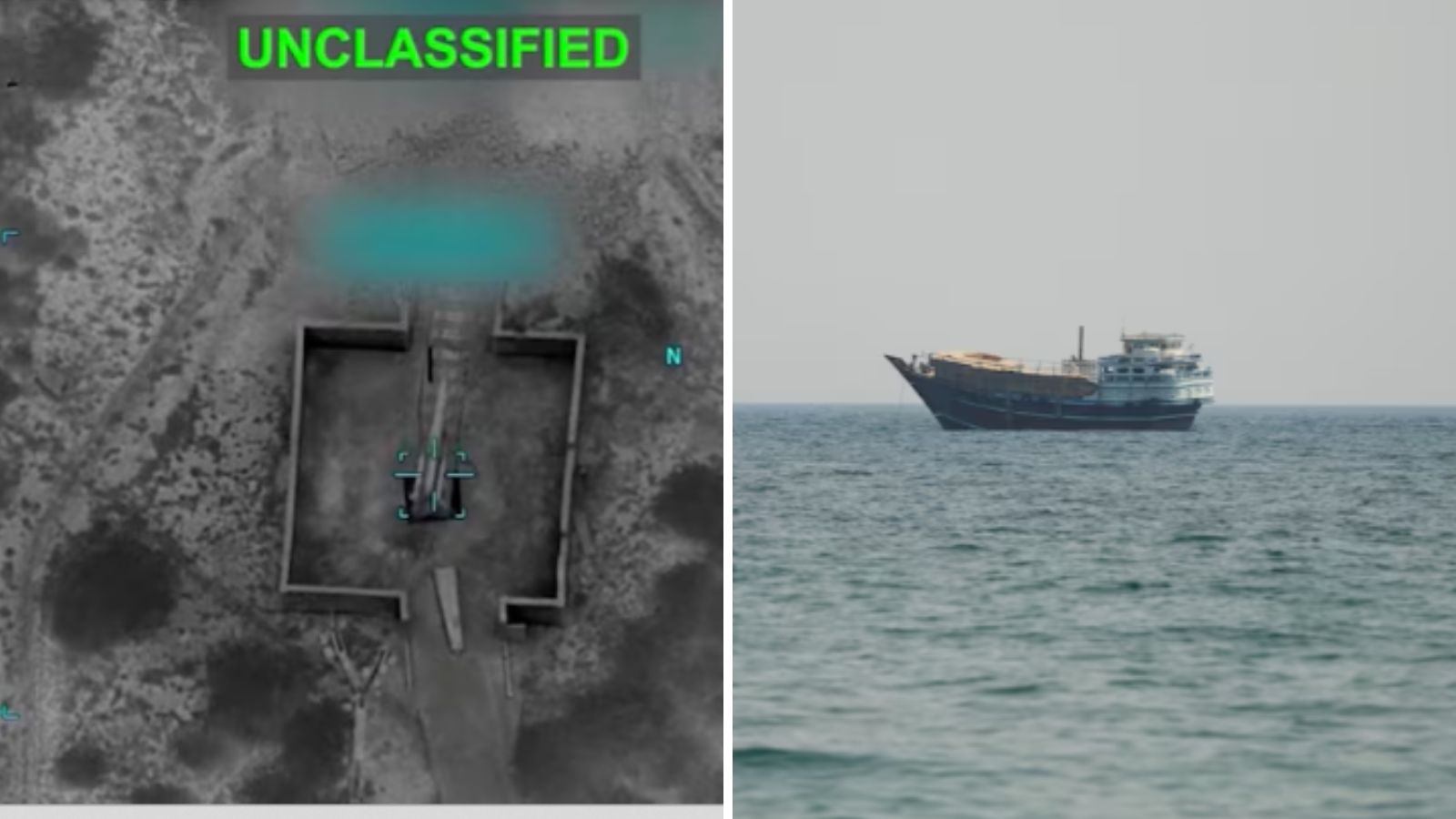
An Indian crew member was killed, and eight others were injured after two UAE oil tankers were hit by Iranian cruise missiles in the Strait of Hormuz on Tuesday. The attack marks another major escalation in the ongoing conflict involving Iran, the United States and Israel, with commercial shipping in the Gulf frequently coming under threat.
The UAE blamed Iran for the attack and called it a serious violation of international law. The incident happened as tensions continued to rise across one of the world’s busiest and most important oil shipping routes.
The US has resumed its attacks on Iran, with Trump vowing more strikes and proposing a toll on ships passing through the Strait of Hormuz. Iran has hit back by launching attacks on Bahrain, Kuwait, Oman and Jordan, saying it targeted US military sites in retaliation for Washington’s latest bombardment of its southern coast. The fresh escalation has further pushed up global oil prices as fears grow over disruptions to energy supplies.
Two UAE oil tankers hit during transit
According to a statement posted on X by the UAE’s Ministry of Defence, the two oil tankers, Mombasa and Al Bahiyah, were attacked while sailing through the southern shipping lane of the Strait of Hormuz. The vessels were inside Omani territorial waters when they were struck.
تعلن وزارة الدفاع عن تعرض الناقلتين الوطنيتين (ممباسا) و (الباهية) للاستهداف بصاروخين جوالين إيرانيين في الممر الجنوبي لمضيق هرمز بالمياه الإقليمية العمانية.
— وزارة الدفاع |MOD UAE (@modgovae) July 13, 2026
وقد أسفر الاستهداف عن مقتل أحد أفراد طاقم الناقلة (ممباسا) من الجنسية الهندية، وإصابة 8 من بينهم 4 إصابات بليغة. (6 من… pic.twitter.com/KVz3qDu6kf
The ministry said the Indian national who lost his life was working aboard the Mombasa. MEA is yet to confirm the details. Apart from the death, eight crew members were injured in the attack. Four of them suffered serious injuries. Out of the eight injured, six are Indian nationals while the remaining two are Ukrainian nationals.
The missile strikes also caused major damage to both vessels. The UAE Defence Ministry said the attack “also caused material damage… as a result of fires breaking out on board.”
It later confirmed that emergency teams managed to control the situation. “The fires have been brought under control on both tankers,” the ministry said.
UAE condemns attack, says it has the right to respond
The UAE strongly condemned the missile attack, describing it as a blatant assault that threatens regional security. The ministry said the strikes amounted to “a serious breach of international law” and added that the country “reserves its full right to respond” to a dangerous escalation.
It also said the UAE armed forces remain on high alert and are taking every necessary step to protect the country’s sovereignty and national interests. The ministry urged people not to rely on rumours or unverified posts on social media and instead follow only official sources for updates.
Another tanker hit near Oman- Report
Around the same time, the UK Maritime Trade Operations (UKMTO) agency reported that another tanker had been struck by an unidentified projectile about 40 nautical miles northeast of Qalhat, Oman. According to the ship’s master, the vessel suffered damage to its engine room. However, no casualties were reported in that incident.
It is still not clear whether the UKMTO report is linked to the attack on the two UAE tankers. Iran has not commented on either incident.
Separately, Iranian state television claimed that the country’s Revolutionary Guards fired warning shots at ships that were allegedly passing through the Strait of Hormuz unlawfully. However, this claim has not been independently verified.
Conflict continues to spread across regions
The latest attack comes as the conflict between the US, Israel and Iran continues to grow. The situation has worsened further over the past few days.
The US military’s Central Command (CENTCOM) said it carried out a fresh round of strikes on Iranian targets on the orders of President Donald Trump. Iranian state media reported explosions in Bandar Abbas and on Kish Island following those attacks.
The US military also announced that the blockade of Iranian ports and coastal areas, reimposed by President Trump, will begin at 20:00 GMT on July 14. Foreign Minister Abbas Araghchi said Iran would remain the “guardian” of the Strait of Hormuz “forever.” The conflict has also spread beyond the Gulf waters.