



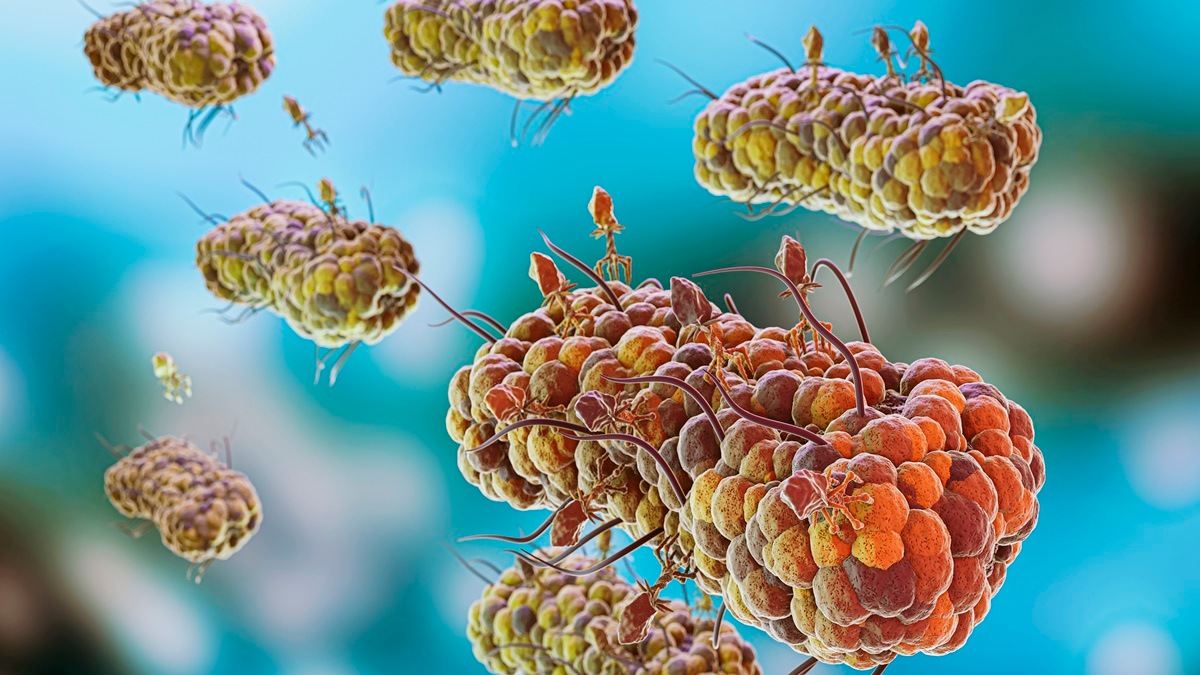
An international team of scientists has found there might be various microbes present in your nostrils if you sniffle at slightest hint of irritant. According to the researchers, various types fungi are present in the noses of people who suffer from hay fever and asthma.
Hayfever, or allergic rhinitis, and asthma are two of the most common chronic airway conditions in Western countries. Globally, hayfever impacts more than 400 million people and asthma affects about 260 million.
Computational biologist Marcos Pérez-Losada and his team from George Washington University sequenced nasal samples from 339 children and young people. According to a report by Science Alert, the samples included 47 individuals with allergic rhinitis, 155 with both allergic rhinitis and asthma, 12 with just asthma, and 125 healthy controls.
The researchers maintained that those with allergic rhinitis, both with and without asthma, shared unique nasal microbiome features that differed from healthy individuals. Meanwhile, the participants with one or both respiratory diseases had more diverse and abundant fungi populations in their nostrils.
“We showed that allergic rhinitis samples displayed a significantly higher fungal diversity and a different fungal community structure compared to those of healthy controls,” says Luís Delgado, immunologist at Portugal’s University of Porto as quoted by Science Alert. “This may suggest that allergic rhinitis increases the diversity and changes the composition of the upper airway’s microbiome.”
During the study, the researchers detected Malassezia, which contributes to dandruff and acne; Aspergillus, a known allergy trigger; Candida, infamous for causing thrush; and Penicillium of antibiotic-producing fame.
“We could not control all patient-specific variables, such as disease severity and related treatment levels, and patients were sampled at a single time,” Delgado said as quoted by Science Alert. “Addressing some of these clinical variables would be interesting follow-ups of our study, if we could get the appropriate funding.”
This research was published in Frontiers in Microbiology.