



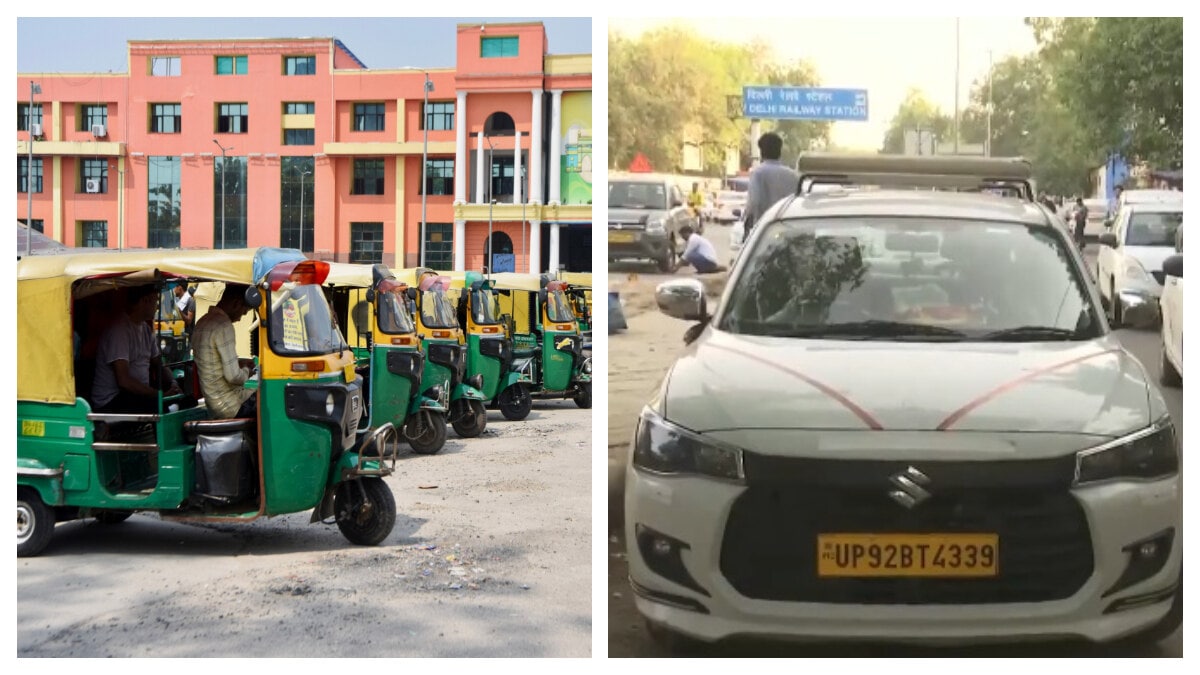
Taxi and auto drivers across Delhi-NCR are starting a three-day strike starting Thursday, May 21, bringing regular operations to a halt as they press for an immediate revision of commercial fares. Citing rising fuel costs and alleged economic exploitation by app-based cab aggregators, the Chalak Shakti Union has announced that the shutdown will continue until May 23 (Saturday).
The strike forms part of a larger nationwide protest supported by the All India Motor Transport Congress, reflecting growing frustration among drivers over stagnant fares that have not been revised in nearly 15 years.
#WATCH | Delhi | Taxi driver Narendra Tiwari says, “The condition is very bad as the prices have decreased. Rapido was paying ₹30 per km from 18 to 25 April, which has now been reduced to ₹15-16… We are protesting from 21-23, so let’s see what will happen…” pic.twitter.com/K5xiFv4WIR
— ANI (@ANI) May 21, 2026
The union submitted a letter on May 19 to the Delhi Lieutenant Governor, the Chief Minister, the Transport Minister and the Police Commissioner outlining the strike and its grievances. “Taxi fares are still being charged at old rates despite rising inflation, which has severely affected the livelihood of drivers,” the letter said, noting that fares in Delhi-NCR have not been revised for nearly 15 years.
Union leaders said they had earlier sought a meeting with government authorities to discuss fare revision and measures to protect drivers from perceived exploitation by app-based companies. “Due to the continuously increasing prices of CNG, petrol and diesel, middle-class drivers are struggling to support their families,” said Anuj Kumar Rathore, vice‑president of the Chaalak Shakti Union. “In coordination with other organisations of Delhi, the ‘Chaalak Shakti Union’ has called for a Chakka Jam and appealed not to operate vehicles on May 21, 22 and 23.”
#WATCH | Delhi | Visuals from New Delhi railway station as Taxi and Auto Unions have announced a three-day strike from 21-23 May in Delhi, demanding an immediate hike in their fares amid the rising fuel prices. pic.twitter.com/o9XRuBkrba
— ANI (@ANI) May 21, 2026
Taxi driver Dinesh Kumar said, “There is no price in the market. We do not even get many ride. I would appeal to the government to pay some attention to the taxi fares as well.”
Fuel price surge sharpens demands
The strike follows a fresh round of fuel price increases that have pushed petrol and diesel up by about 90 paise per litre nationwide. In Delhi, petrol rose from Rs 97.77 to Rs 98.64 per litre, while diesel climbed from Rs 90.67 to Rs 91.58 per litre. The union pointed to these hikes and rising costs for vehicle maintenance, insurance, permits and fitness certificates as primary reasons why drivers say current fares are inadequate.
Accusations against app aggregators
Drivers have accused app-based cab firms such as Ola, Uber and Rapido of arbitrary practices that depress earnings. “App-based companies like Ola, Uber and Rapido are operating arbitrarily, and drivers in Delhi-NCR are becoming victims of serious economic exploitation,” the union alleged in its letter. The unions want regulatory safeguards and policies to prevent such exploitation and to ensure fairer revenue shares and working conditions for drivers.
The Chalak Shakti Union warned the government that the agitation could intensify if fare revisions are not announced promptly. “If the government does not immediately increase taxi fares and issue a notification within one or two weeks, this movement will be intensified into a large-scale protest, for which the Delhi government solely would be responsible,” the union said. The organisers have also planned a protest at the Delhi Secretariat on May 23 as part of the strike’s concluding actions.
National-level coordination
The All India Motor Transport Congress wrote to Lieutenant Governor Taranjit Singh Sandhu and Delhi Chief Secretary Rekha Gupta on May 18 urging authorities to revise fares for commercial vehicles operating in the national capital. The strike in Delhi-NCR is being held in solidarity with the nationwide Indian protest called by transport unions.
Taxi driver Narendra Tiwari said, “The condition is very bad as the prices have decreased. Rapido was paying Rs 30 per km from 18 to 25 April, which has now been reduced to Rs 15-16. We are protesting from 21-23, so let’s see what will happen.”
Impact and authorities’ response
Commuters are likely to face disruption across the city, particularly in areas with limited public transport alternatives. Officials in the transport department and police were approached for comment but had not issued an immediate response by publication time. The government’s next steps- whether to call talks with union leaders, announce an interim fare hike, or take other measures- will determine whether the strike achieves an early resolution or escalates into wider action.
Commercial vehicle drivers in Delhi will observe a three-day strike from May 21 to May 23. Unions have cited that taxi fares in the Delhi-NCR region have not been increased for the past 15 years, and the rising prices of CNG, petrol, and diesel as the reason for the strike.
— ANI (@ANI) May 19, 2026
Drivers’ demands at a glance
- Immediate revision of taxi and auto fares in Delhi-NCR after nearly 15 years without change.
- Protective policies to curb alleged economic exploitation by app-based aggregators.
- A meeting with government officials to discuss long‑term safeguards and fare-setting mechanisms.
As the strike continues through May 23, unions say they will monitor compliance and may step up protests if authorities do not respond within the timeline they have set.