



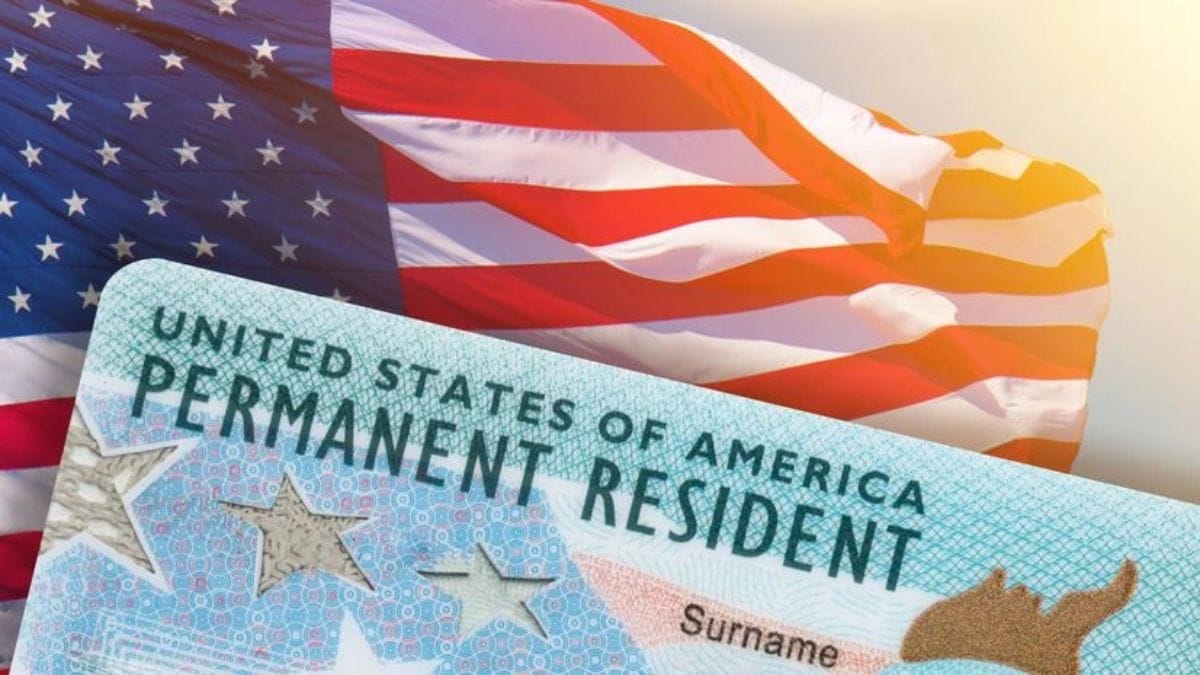
A policy memorandum issued by the US Citizenship and Immigration Services (USCIS) last week has triggered concern among Indian professionals in the US over the future of employment-based green card applications. But immigration lawyers and legal experts tracking the development say uncertainty around implementation, rather than immediate enforcement, may emerge as the bigger issue for applicants.
The USCIS memorandum issued on May 22 indicated that temporary visa holders seeking permanent residency may increasingly be required to complete green card processing outside the United States instead of using domestic procedures. The announcement led to concerns across immigrant communities, particularly among Indian professionals working in sectors such as technology and healthcare, many of whom have already spent years navigating employment-based visa and green card queues.
However, attorneys said several operational questions remain unanswered. The agency has not issued implementation timelines or detailed guidance explaining how officers would apply the policy, raising questions about the extent and immediacy of its impact.
“The current concern is that people are reading this as an immediate structural change to the immigration process, while several procedural questions are still unanswered,” said an immigration lawyer familiar with the matter. “Policy announcements can create behavioural changes even before legal changes take effect.”
Internal Directives
The distinction is significant because employment-based applicants currently in the US often use a process called Adjustment of Status through Form I-485, which allows individuals to complete permanent residency procedures domestically without leaving the country. Immigration lawyers say the process has functioned as a practical route for temporary visa holders already living and working in the US.
Rajiv Khanna, a US-based immigration attorney, said in a legal commentary published on his firm’s website that while USCIS has historically retained discretion over such procedures, the latest memorandum does not amount to a legislative change.
“This is not a statute. Congress did not pass it and it did not go through formal rulemaking requirements,” Khanna noted, adding that the memorandum remains an internal agency directive rather than a regulation.
Discretion Trap
Gaurang Parikh, an attorney specialising in immigration law, said the immediate issue is the lack of clarity around how USCIS intends to interpret and apply the policy. “Unless USCIS issues clearer guidance on what constitutes extraordinary circumstances or how officers will exercise discretion, applicants will continue to face uncertainty around practical implementation,” he said.
Law firms tracking the development have also pointed to the absence of an effective date and warned that implementation could face legal scrutiny. A briefing issued by immigration law firm Manifest said that unless courts intervene or USCIS issues further clarification, uncertainty over how officers apply the memorandum is likely to continue.
Lawyers said the uncertainty could influence travel decisions, employment continuity and long-term immigration planning for applicants even before any operational changes take effect.