



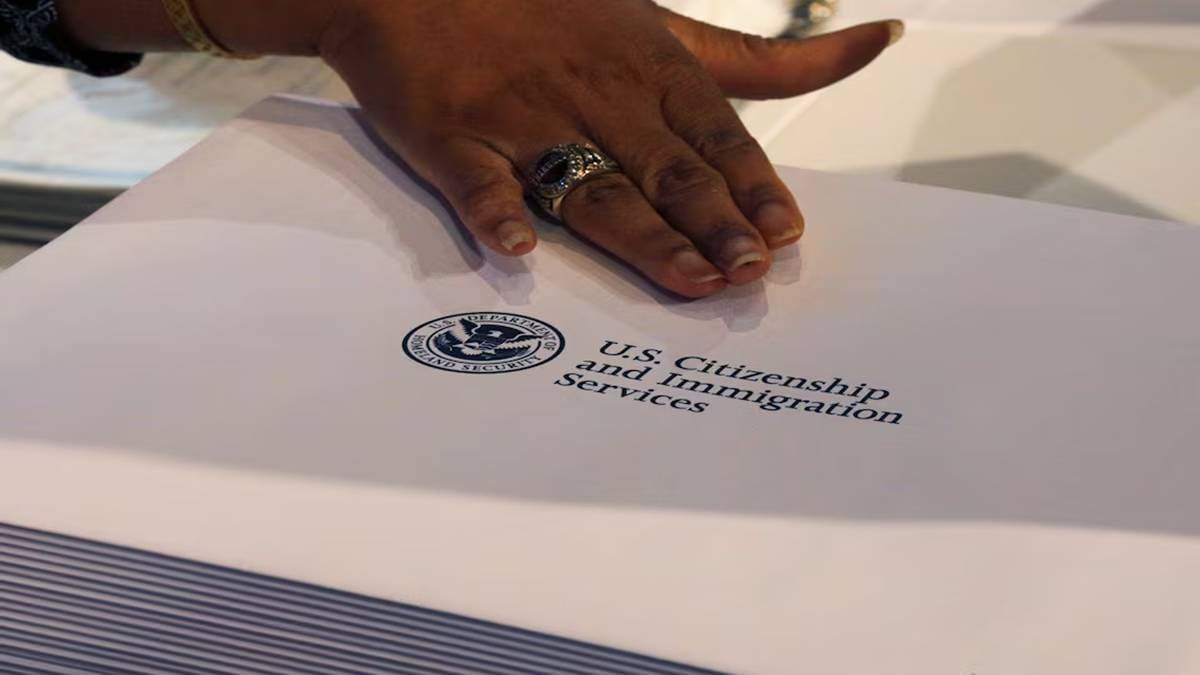
All non-immigrants, including international students, temporary workers, and tourists, must now exit the United States and apply for green cards from their home countries.
The process of applying for green cards is at a crossroads. ‘Adjustment of status’ is a process that allows non-immigrants to switch to a different visa classification and then apply for a green card — all without leaving the US. But now, the U.S. Citizenship and Immigration Services (USCIS) has announced a new policy stating that foreigners seeking adjustment of status must do so through consular processing via the Department of State — outside of the country.
What Does This Mean and Why the Change?
A USCIS memorandum reminds officers and the public that ‘adjustment of status’ under section 245 of the Immigration and Nationality Act (INA) is a matter of ‘discretion and administrative grace’ — and is not designed to supersede the regular consular processing of immigrant visas. USCIS stresses that ‘adjustment of status’ is an ‘extraordinary discretionary’ relief from the regular immigrant visa process and is an act of administrative grace.
Therefore, officers have been directed to consider all relevant factors and information in the totality of the circumstances before exercising that discretion. Officers will take up information on a case-by-case basis when determining whether the foreign applicant warrants this extraordinary form of relief.
What Consular Officers Will Consider
- Existing guidance directs officers to consider the following:
- Violations of US immigration laws or the conditions of any immigration status held
- Current or previous instances of fraud or false testimony in dealings with USCIS or any government agency
- Whether a foreigner’s application for admission or parole violated the laws, regulations, and policies in place at the time
- Any conduct of the foreigner after admission as a nonimmigrant or parolee that is inconsistent with the purpose of that nonimmigrant status or parole, or with representations made to consular or DHS officers when applying for a visa, admission, or parole
- USCIS officers will also evaluate the totality of circumstances and relevant evidence to determine if a foreigner qualifies for permanent residence and if approving their adjustment of status is in the best interest of the United States.
- Adjudicators will consider all relevant factors — both positive and negative — such as family ties, immigration status and history, the applicant’s moral character, and any other pertinent elements when deciding if the foreigner deserves a favorable exercise of discretion.
What About H-1B Visa Holders?
Through the latest policy memo, USCIS has reminded its officers that applying for adjustment of status is not inconsistent with simultaneously maintaining nonimmigrant status in a category with dual intent. This means H-1B visa holders who have applied for a green card will also be impacted if they apply for a green card.
However, H-1B visa holders may feel relieved after US authorities confirmed that the policy introduced by the Trump administration will not impact H-1B visa holders and high-skilled workers in the near term.
What If the Application Is Denied?
USCIS requires that officers provide a written notice of denial when a benefit request is denied, detailing the specific reasons for the denial. If the denial involves an unfavorable exercise of discretion, the notice must analyse both positive and negative factors, explaining why the latter outweighs the former in the decision.
Disclaimer: This article is based on the latest USCIS policy memorandum and is intended for informational purposes only. Immigration laws and policies are subject to change. Individuals affected by this policy are advised to consult a qualified immigration attorney for guidance specific to their case.