



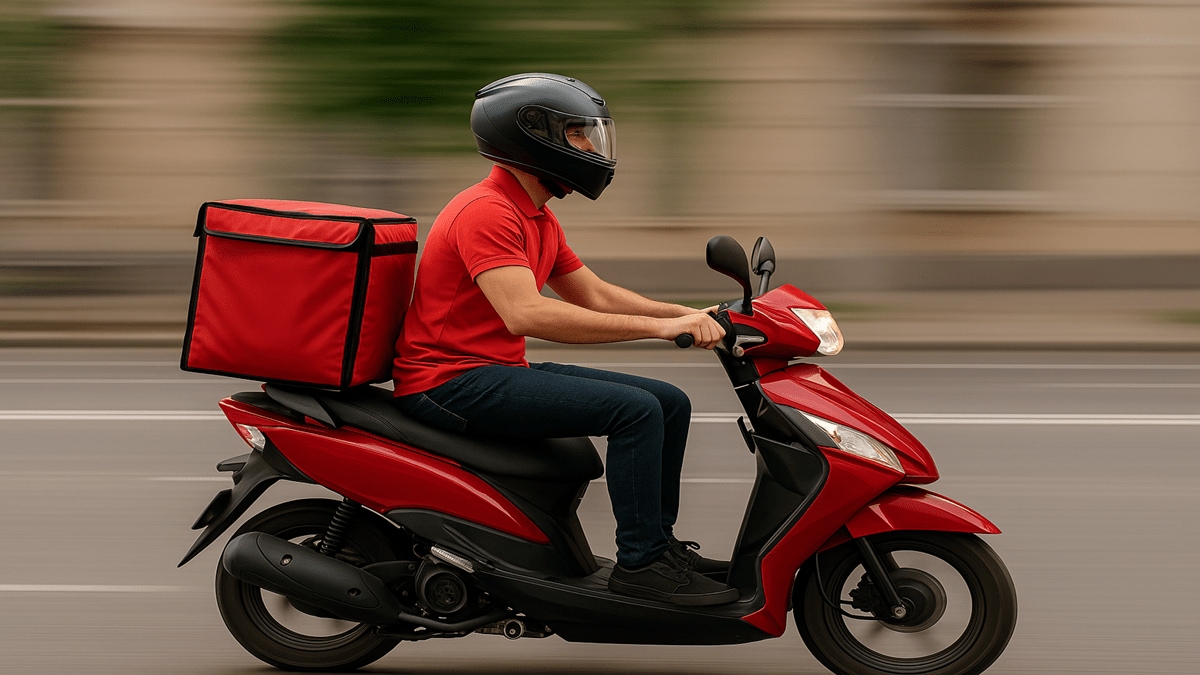
Repeated fuel price hikes are putting pressure on delivery partners and exposing the limited progress online delivery platforms have made in shifting their fleets to electric vehicles, with most riders still dependent on petrol-powered two-wheelers.
Delivery partners, who bear their own fuel costs, have protested the increases and demanded a minimum payment of Rs 20 per km. The latest hikes come at a time when gig worker unions say per-order earnings have fallen sharply, squeezing rider margins further.
The pressure comes despite major platforms including Eternal, Swiggy, Flipkart and Amazon committing to fully electric delivery fleets by 2030. Quarterly disclosures, however, suggest the transition remains at an early stage.
Tracking the Disclosures
Eternal said in its Q4 FY26 results that active EV-based delivery partners rose to more than 100,000 in March 2026 from 52,000 a year earlier. But against a combined delivery partner base of more than 1 million across food delivery and quick commerce, EV penetration remains at roughly 10%.
Swiggy, which had 612,000 monthly transacting delivery partners in Q4 FY26, said earlier that its EV fleet had expanded seven-fold over 12 months, although it did not disclose the base number or current penetration levels.
The relatively low EV adoption means a large section of riders remains exposed to fuel-price increases.
Industry estimates suggest a delivery partner using a petrol-powered two-wheeler spends around Rs 3.5-5 per km, factoring in the older and heavily used vehicles common in the gig workforce. In comparison, EV rental models offered by fleet operators are estimated to cost Rs 2.5-2.75 per km, including battery swaps, maintenance and insurance.
“Demand for shared EVs can only accelerate in the current environment,” said Amit Gupta, co-founder and CEO of Yulu, adding that it may take one to two months before any increase in EV adoption becomes visible.
Fleet-as-a-Service
Most delivery partners, however, work part-time and are unlikely to purchase EVs outright. Eternal’s disclosures show delivery partners remain active on the platform for an average of 46 days a year. As a result, the transition is increasingly dependent on fleet-as-a-service operators such as Yulu and Zypp Electric that offer vehicles on rental models.
Gig worker unions say that lower payouts make even rented EVs difficult for many riders to afford. They say per-order base pay has fallen from Rs 34-42 in early 2024 to Rs 5-10 now in many cases.
The shift to EVs has so far been more visible in quick commerce, where delivery distances are shorter and vehicle utilisation is higher. Food delivery trips are typically longer and less predictable, making them less suited to current EV economics.
The recent fuel hikes may increase pressure on platforms to accelerate the transition. But for now, most delivery partners continue to remain exposed to rising fuel costs.