



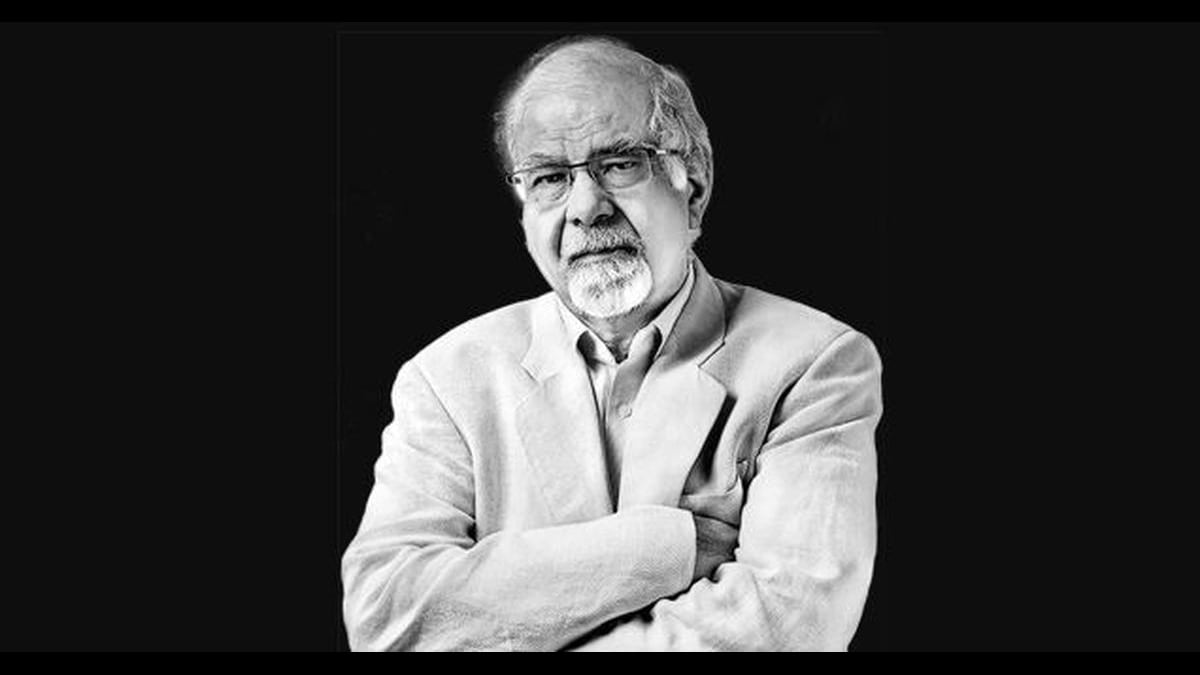
Indian economist and author Surjit Bhalla said weak private investment, rather than the West Asia conflict, is the core reason India’s economic growth has slowed, arguing that strong Gross Domestic Product (GDP) numbers earlier this year masked an underlying shortfall in private-sector capital formation.
India’s ranking as the world’s sixth‑largest economy is not a new development- it reflects IMF data from 2025 that showed India slipping from the fourth spot, primarily due to rupee depreciation and a change in the GDP base year, not a shrinkage in economic activity. Since the outbreak of war in the Middle East in February 2026, India has faced an energy shock and higher oil prices, which have pressured the current account deficit, inflation, and growth forecasts, and initially pushed the rupee to multi‑year lows.
However, the rupee has recently staged a sharp recovery, hitting a record high against the dollar after the RBI introduced tighter rules on offshore trading and curbed speculative non‑deliverable‑forward contracts, which strengthened the currency by nearly 1.8% in a single day and restored confidence in the markets. The combination of strong GDP growth, India posted its fastest expansion in six quarters at 8.2% in the September quarter, and decisive central bank action has helped the rupee appreciate despite the geopolitical backdrop, while the government has also moved to buffer the economy through measures such as restricting gold imports and rebuilding energy buffers.
Growth masked by government spending
Surjit Bhalla told news agency ANI that robust GDP and low inflation readings six to eight months ago created a misleading impression of a healthy economy. “You said that six, eight months ago, India was shining. But what I’m trying to say is I think that was a misinterpretation of what was going on,” he said. He argued that the headline growth reflected large government investment rather than a pickup in private-sector activity.
Private investment remained weak
“By all standard measures… GDP growth, it was perfectly fine, that was very good. You look at inflation, very low… So what’s the problem? And the problem is that there was very little private investment, or private investment had gone down,” Bhalla said. He warned that public spending is less efficient than private investment, with infrastructure projects prone to higher corruption and lower “bang for the buck” compared with private-sector deployment of capital.
West Asia conflict not the primary cause
Dismissing suggestions that the West Asia crisis, which escalated in February 2026, is responsible for India’s slowdown, economist Bhalla said his analysis and the data underpinning it predate January 2026. “So the West Asia crisis had nothing to do with my perception and my analysis of the economy,” he said, adding that while the conflict has had some global impact, it is not the central driver of India’s investment weakness.
Surjit Bhalla traced the decline in private investment to incentives that made investing outside India more attractive. “Private sector around the world responds to incentives… The problem was for the private sector… They had more incentive to invest abroad. That’s the problem,” he said. He singled out policy changes after 2015, notably shifts in the bilateral investment treaty framework and the use of retrospective taxation, as deterrents for foreign capital.
Policy fixes to lure back foreign capital: Restore pre‑2015 investment rules
To revive private investment, Bhalla urged a return to the pre‑2015 investment regime and steps to reassure foreign investors. “We have made it very difficult for foreign investors to invest in India. Very difficult… We said we’ll penalize you if you invest in India by higher taxes and so on and so forth. And you know, that’s the problem,” he said. His prescriptions include ending retrospective tax practices, lowering taxes for foreign investors and bolstering support for export‑oriented manufacturing.
Economist Bhalla argued that restoring stronger private investment is essential for India to move from current growth of around 6 per cent toward its potential near 8 per cent. “Make it competitive. You want to attract them. We need them,” he said, stressing that policy changes to improve the investment climate are crucial for sustaining higher, more durable growth.