



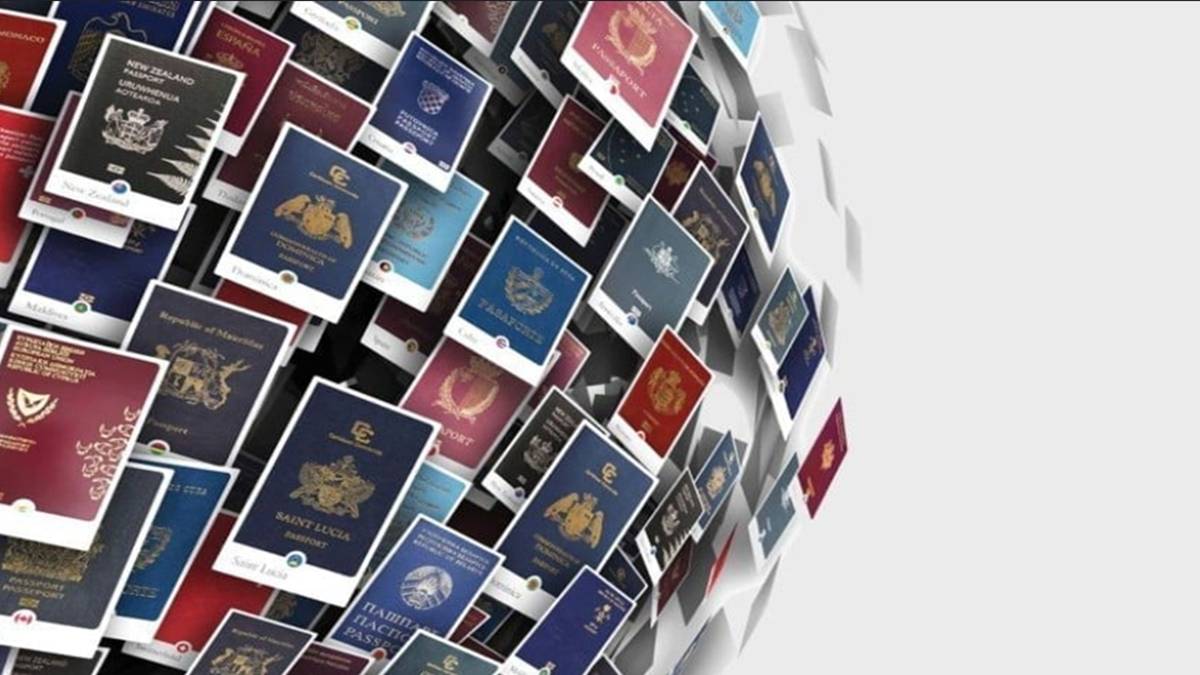
The Indian diaspora is the largest in the world, with more than 35.4 million people living in almost 200 countries. Of the total, nearly 15.8 million are NRIs, and almost 19.5 million are Persons of Indian Origin (PIOs).
The Bureau of Immigration of India has announced that updated fees for OCI services are now in effect. So, if you are applying for a fresh or for reissuance, either from India or from abroad, you need to pay the revised charges.
If you held a PIO card, here’s what you need to know: the Government of India has scrapped the PIO card scheme altogether, and all existing PIO cardholders have been automatically converted to Overseas Citizens of India (OCI) cardholders. So, who exactly is an OCI cardholder? Simply put, it’s anyone registered by the Government of India under Section 7A of The Citizenship (Amendment) Act, 2015.
OCI does not equate to ‘dual citizenship’ and does not grant political rights. Registered Overseas Citizens of India are not entitled to the rights related to equality of opportunity in public employment as conferred on Indian citizens under Article 16 of the Constitution.
A registered Overseas Citizen of India is granted a lifelong, multiple-entry visa to visit India and is exempt from registration with the authorities for any duration of stay. They enjoy parity with Non-Resident Indians in various sectors, except for acquiring agricultural land or plantation properties, with specific benefits notified by the Ministry as needed. Capturing of biometrics of fingerprints and face in case of applicants for registration as OCI cardholders is mandatory.
Eligibility Conditions
The following categories of foreign nationals are eligible for registration as Overseas Citizen of India (OCI) Cardholders:
- Any person who is a citizen of another country, but was a citizen of India at the time of, or at any time after 26.01.1950; or
- Who is a citizen of another country, but was eligible to become a citizen of India as on 26.01.1950; or
- Who is a citizen of another country, but belonged to a territory that became part of India after 15.08.1947; or
- Individuals defined as citizens include children, grandchildren, and great-grandchildren of citizens, as well as minor children of these individuals. Additionally, a minor child whose both parents are citizens of India or one parent is a citizen also qualifies.
- Also, Spouses of foreign origin of Indian citizens or OCI cardholders, whose marriage has been registered and lasted for at least two continuous years before the application, are eligible.
Who is not eligible for registration as an OCI cardholder?
- No individual is eligible for registration as an OCI cardholder if they or their parents, grandparents, or great-grandparents were citizens of Pakistan, Bangladesh, or any other country specified by the Government of India.
- Foreign Military/Police Personnel (except Israelis), either serving or retired, will not be registered as OCI cardholders.
- Foreign nationals who are undergoing compulsory military/police conscription at the time of application will not be eligible for registration during the period of such conscription.
- Foreign nationals who are applying for an OCI card on a spouse basis shall not be eligible if they have undergone/undergoing any military/police conscription.
- A foreign national holding a diplomatic passport will not be registered as an OCI cardholder.
Travel Rules for OCI Cardholders
Foreigners in India, including OCI cardholders, must possess a valid passport and OCI card at all times; staying without them is illegal. A passport is the main travel document, while an OCI serves as a life-long visa. An OCI card issued to the spouse of an Indian or Indian origin starting 03.09.2025 will initially be valid for 5 years and can be extended for life upon review.
New Rules
All foreign nationals, including OCI cardholders, are required to complete the Electronic Arrival Card (E-Arrival Card) before entry into India.
Further, the Fast Track Immigration – Trusted Traveller Programme (FTI-TTP) launched by the Government of India has completely changed the immigration clearance process for the OCI cardholders. After enrollment to Fast Track Immigration program, their immigration clearance will be faster, easier, and more secure.
Biometrics of the registered applicants will be captured at the time of passage through the airport. The registered passenger has to scan the boarding pass issued by the airlines at the e-gates and then scan the passport. The biometrics of the passenger will be authenticated at the e-gates. On such authentication, the e-gate will open automatically, and immigration clearance will be deemed granted.
Responsibility of OCI cardholder
OCI cardholder is required to get the OCI card reissued only once when a new passport is issued after completing 20 years of age. However, OCI cardholders are required to upload online a copy of the new passport and a latest photo each time a new passport is issued up to 20 years of age, and once after completing 50 years of age.
Disclaimer: This article is for general informational purposes only and does not constitute legal, immigration, or tax advice. Immigration laws and government policies are subject to frequent change without notice. While we strive to provide accurate updates, readers are strongly advised to verify the latest requirements with the official embassy, consulate, or government portal of the respective country.