



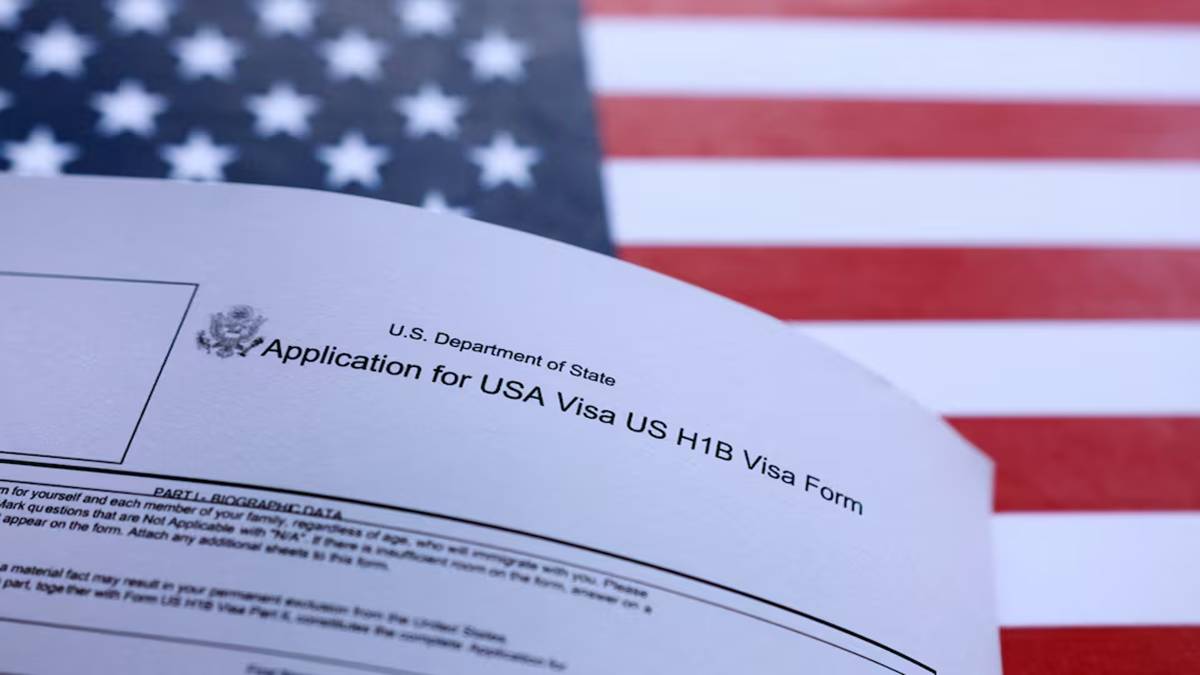
Got picked for the H-1B cap season 2027? The next stage for the US company is to file an H-1B petition. Foreign workers eligible for the 2027 H-1B cap season are still waiting for their US employers to file petitions; some of them may have initiated the process. US companies must file petitions for the H-1B 2027 program within 90 days starting April 1. The latest date to file an H-1B petition for the 2027 season is June 30, 2026.
Getting selected is only one part of the whole process. Petitioners must provide evidence according to Form I-129 instructions and prove eligibility for H-1B cap petition approval, as registration and selection only indicate the ability to file the petition. So, employers should be careful when filing petitions due to the newly introduced USCIS rules.
The two most important things in the 2027 H-1B season are that petitioners must provide proof of the beneficiary’s valid passport or travel document used at the time of registration, and evidence supporting the chosen wage level for the petition.
This is because the lottery system has already been abolished and replaced with a ‘beneficiary-centric selection process.’ Under this beneficiary-centric selection procedure, USCIS selects registrations based on individual beneficiaries, ensuring each distinct beneficiary is considered only once, regardless of the number of registrations filed on their behalf.
Also, employers need to provide evidence to support the wage level chosen for the beneficiary or the foreign worker. For the FY 2027 H-1B cap season, a new wage-based selection process is in place that prioritises foreign workers with higher skills and wages. There will be a four-level wage system for H-1B positions, based on the worker’s experience and job requirements. Level 1 wages are for new entry-level workers, Level 2 for experienced workers, Level 3 for fully competent professionals, and Level 4 for experts or senior-level professionals.
New Fees
Another key change is the hike in the Premium Processing fee for H-1B petition filing. Effective March 1, 2026, all Premium Processing requests must include a new fee per Federal Register guidelines. For the H-1B visa, the Premium Processing fee will increase from $2,805 to $2,965. The same fee hike applies to other Form I-129 classifications such as E-1, E-2, E-3, H3, L-1A, L-1B, etc. The form must include the new fee or the petition request will be rejected.
New Form
The Form I-129, used to file petitions for non-immigrant workers, including H-1B, has been revised. Starting April 1, 2026, USCIS will accept only the 02/27/26 edition of Form I-129. Employers are now required to give comprehensive details about job criteria, such as minimum education, a particular field of study, work experience, and supervisory duties. This helps USCIS confirm that the wage level on the Labor Certification Application (LCA) and the supplied H-1B registration information match the work criteria.
The amended form adds more detail on worksite locations, employment scenarios, and immigration histories. While core visa classifications are unchanged, the updated form demands more data and expands employer certifications, resulting in stricter scrutiny of Form I-129 petitions.
$100,000 Fee
The biggest change for US employers is the new $100,000 petition fee for hiring H-1B workers. The FY 2027 H-1B cap season introduces a significant change with a $100,000 one-time fee that US employers must pay before filing petitions for selected foreign workers. This raise increases the cost of an H-1B visa from below $10,000 to over $100,000, effective September 21, 2025. However, certain workers and foreign students are exempt from this fee, enabling US employers to hire them without incurring the new charge.
Disclaimer: This article is for general informational purposes only and does not constitute legal, immigration, or tax advice. Immigration laws and government policies are subject to frequent change without notice. While we strive to provide accurate updates, readers are strongly advised to verify the latest requirements with the official embassy, consulate, or government portal of the respective country.