



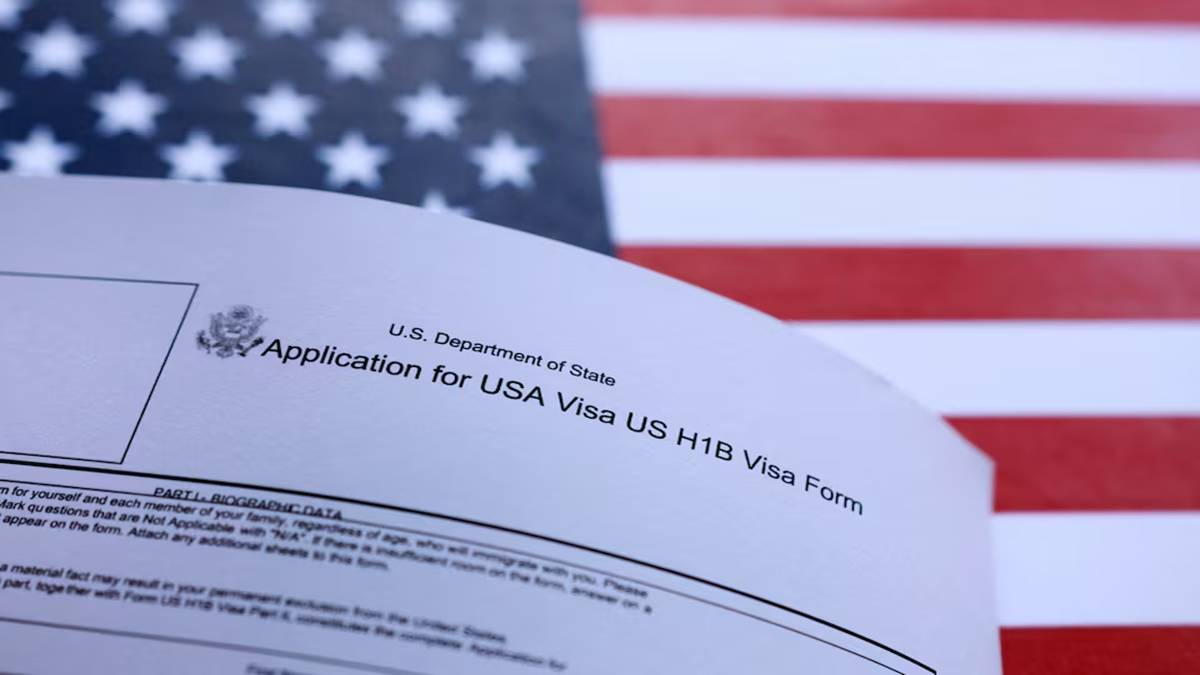
The H-1B visa program is being significantly modified, potentially affecting the hiring practices of American companies.
Among the changes already in place, a $100,000 petition fee has been imposed, and a wage-based selection process has been introduced. These new rules aim to ensure that US firms hire highly skilled foreign workers and reduce the intake of low-paid, low-skilled labor.
How these changes will affect the registration and selection process in the FY 2027 H-1B season remains to be seen. USCIS has not yet announced registrations and selection data for the H-1B 2027 cap season.
On top of this, the Trump administration has recently proposed a new rule that will significantly increase the minimum salary that US employers must pay while hiring foreign workers. If approved, the H-1B salary floor is likely to rise by between 21% and 33%. If implemented for the H-1B 2028 cap season, it will prevent US companies from hiring low-wage workers over American workers.
H-1B Bills in Congress
The MAGA community remains unsatisfied and wants to end or significantly alter the H-1B visa program, claiming that US firms prioritize foreign workers over American workers. Critics have long argued that foreign workers under the H-1B visa program were given low-wage, low-skilled jobs that could have gone to Americans.
Several US legislators have now joined this push, though they are far from united. While some senators want to limit or end the foreign worker program and others seek modest changes, the MAGA community is firmly pushing for the program to cease. US lawmakers have submitted at least seven proposals against the current H-1B visa regime.
U.S. Representative Greg Steube has introduced the Ending Exploitative Imported Labor Exemptions Act, or EXILE Act. This EXILE Act aims to amend the Immigration and Nationality Act by fully ending the H-1B visa program.
Representative Chip Roy has introduced the Pausing All Admissions Until Security Ensured (PAUSE) Act, calling for a revision in H-1B and ending the OPT program completely. The PAUSE Act proposes to end the ‘adjustment of status’ of the H-1B visa program and terminate the OPT program completely. Essentially, the PAUSE Act aims to freeze all immigration to the US until certain conditions are met, including an end to OPT and modifying H-1B rules.
Senator Jim Banks has introduced the ‘The American Tech Workforce Act’ that proposes to raise the wage floor for H-1B visas from $60,000 to $150,000, end the Optional Practical Training program, and replace the H-1B lottery with a system that awards visas to the highest bidder. The Federation for American Immigration Reform (FAIR) has backed this bill, saying it directly targets the loopholes enabling H-1B abuse.
Senators Chuck Grassley and Dick Durbin have introduced the bipartisan H-1B and L-1 Visa Reform Act to curb fraud, protect U.S. and foreign workers, and boost transparency. The bill proposes stricter wage and recruitment rules, limits on visa extensions, and prioritization of highly educated STEM workers in visa allocations.
US Senator Tom Cotton has introduced the Visa Cap Enforcement Act, which would restrict the ability of universities, research institutions, and non-profits to hire an unlimited number of foreign workers. Specifically, it would eliminate four exemptions to the H-1B visa cap, including one for foreigners who hold a master’s degree or higher from a US institution. Currently, the H-1B program has a cap of 65,000 visas, with an additional 20,000 visas available to individuals who hold a master’s degree or higher from a US institution.
Rep. Tom Tiffany’s “Colleges for the American People Act of 2025” (CAP Act) proposes to amend the Immigration and Nationality Act, requiring foreign nationals to apply for an H-1B visa within the 20,000 visa cap.
One of the most financially significant proposals could be Senator Bernie Moreno’s HIRE ACT, which aims to discourage outsourcing by American businesses. The HIRE ACT introduces a 25% tax on outsourcing payments made by US companies to foreign individuals, aimed at ensuring the benefits of this work aid US consumers. Additionally, US firms will not be permitted to claim tax deductions related to these outsourcing payments.
Disclaimer: This article is for general informational purposes only and does not constitute legal, immigration, or tax advice. Immigration laws and government policies are subject to frequent change without notice. While we strive to provide accurate updates, readers are strongly advised to verify the latest requirements with the official embassy, consulate, or government portal of the respective country. Views expressed in social media posts quoted above are those of individual users and do not reflect the editorial position of Financial Express. Financial Express is not responsible for any decisions made based on this information. For personalized guidance, please consult a qualified immigration attorney or a certified professional advisor.