



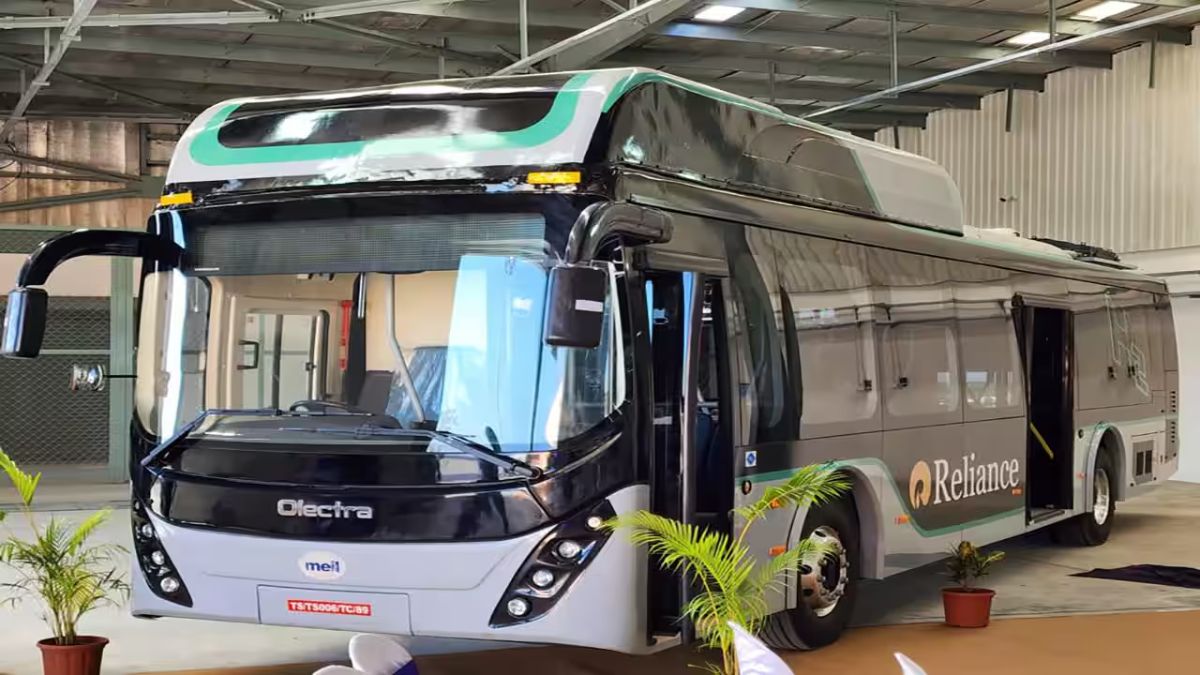
Olectra Greentech is lining up a fresh investment of nearly Rs 700 crore as it looks to deepen localisation, expand its electric bus and truck portfolio. The electric commercial vehicle maker has already announced an investment of around Rs 400 crore towards next-generation buses and trucks.
Another Rs 200-300 crore will be deployed towards battery-pack assembly, truck manufacturing and new-generation bus platforms as manufacturers race to comply with localisation requirements under the Centre’s PM E-Drive scheme.
“We are setting up battery-pack assembly and simultaneously developing a next-generation platform under which buses and trucks will be largely manufactured in India,” said Mahesh Babu, chief executive officer, Olectra Greentech.
The company recently secured an order for 1,085 next-generation electric buses from Telangana under the PM E-Drive programme and expects the new platforms to be ready by the end of this year. According to Babu, localisation levels in the upcoming buses and trucks will exceed 60%, compared with around 50% in the current portfolio.
At the same time, it continues to grapple with supply-chain disruptions and infrastructure bottlenecks that are slowing the pace of electric bus deployment across the country. Alongside buses, Olectra is placing a significant bet on electric trucks as the next leg of growth.
It is setting up a dedicated truck manufacturing facility with an annual production capacity of around 2,500 units. “The project is already underway and is expected to be operational within 12 months,” Babu said. The expansion comes as electric commercial vehicle adoption begins to extend beyond public transport into logistics and freight movement due to rising fuel prices.
Challenges persist for ebus deployment
Despite strong policy support and a robust order pipeline, the roll-out of electric buses remains slower than expected. Industry data shows that only around 5,400 electric buses were registered last year, underlining the gap between tender announcements and actual deliveries. According to Babu, demand is not the primary challenge.
“The biggest challenges are supply-chain disruptions, depot readiness and deployment infrastructure,” he said. Also, recent restrictions by China on permanent magnet exports have affected supplies of motors and power electronics, while geopolitical tensions have increased shipping costs and disrupted vessel availability.
“China’s restrictions on permanent magnet exports affected motor and power electronics supplies. Additionally, geopolitical tensions have significantly increased shipping costs and affected vessel availability,” Babu said.
He added that financing and infrastructure readiness continue to be critical hurdles, particularly since large government contracts are typically structured for phased deployment over two years rather than immediate delivery. As a result, the pace of electrification is increasingly being shaped by execution capabilities rather than demand alone.