



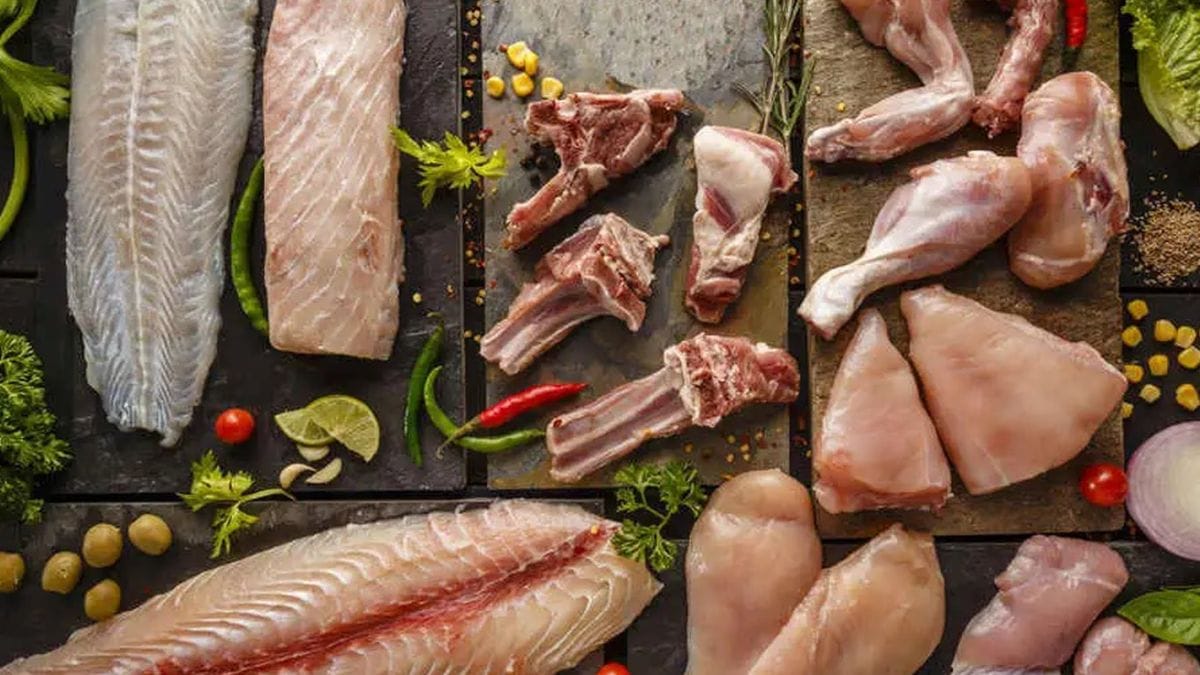
Omnichannel meat and seafood startups are reporting a pickup in growth, supported by repeat consumption, expansion into new markets and continued investment in supply chains, even as some players remain in a high-burn phase.
Licious closed FY26 with net revenue of Rs 1,166 crore, up 47% year-on-year, and is targeting Rs 1,800 crore in FY27. The company said this was its highest single-year absolute revenue addition.
It attributed the growth to its micro-markets strategy, which focuses on deeper penetration in core cities such as Bengaluru, Mumbai and NCR, along with higher repeat consumption. It plans to build 10 micro markets in FY27 and scale this to 120 across the top seven cities over five years.
Offline channel expansion
Offline channels also expanded, with revenue rising to Rs 177 crore in FY26 from Rs 26 crore in FY25. Ebitda burn increased to Rs 187 crore from Rs 168 crore a year earlier, which the company linked to infrastructure investments and offline scale-up. As a share of net revenue, burn declined by 5.2 percentage points, indicating improving operating leverage.
“India’s fresh meat and seafood market has always had the scale to support organised players — the question was always execution, not opportunity. Three drivers explain it — consumer behaviour shift, supply chain maturity and founder execution,” Pankaj Makkar, managing director at Bertelsmann India Investments, an investor in Licious, told Fe.
The company’s 30-minute delivery service, Flash, now serves 55% of its online customers, with an average order value of Rs 675.
TenderCuts raises $2 million in debt
Chennai-based TenderCuts raised $2 million in debt from Lakme Finance on April 1, following its transition to profitability. The company said it is the first organised player in the category to achieve positive Ebitda at both store and consolidated levels. It reported store-level Ebitda of 10% and overall positive Ebitda.
“At TenderCuts, growth has been anchored more in improving efficiency and repeat consumption in the existing market. Today, 85% of our orders come from repeat customers, supported by 88% organic traffic across channels, which reduces dependence on paid acquisition,” Sasikumar Kallanai, co-founder and CEO, said.
Customer acquisition costs are under Rs 85. The company undertook restructuring over the past two years, shifting to smaller neighbourhood stores with a lean capex model, enabling store-level break-even in under six months.
FreshToHome is close to raising about Rs 135 crore in debt across two rounds over three months, according to a report by Entrackr. The firm reported a 14% increase in gross revenue to Rs 421 crore in FY25 from Rs 369.5 crore in FY24.
For Zappfresh, FY26 marked a milestone with its parent DSM Fresh Foods listing on the BSE SME platform at Rs 120 per share, a 20% premium over the issue price.
“The IPO marked a significant step in our journey, bringing greater transparency, governance, and long-term accountability. It also enabled us to accelerate expansion, including entry into frozen foods and international markets through strategic acquisitions,” said Deepanshu Manchanda, founder and CEO.
In H1 FY26, Zappfresh reported operating revenue of Rs 97 crore and profit after tax of Rs 7 crore. For FY25, it posted Rs 130 crore in revenue and Rs 9 crore in net profit. In January, it acquired a 51% stake in Avyom Foodtech to enter the ready-to-cook and ready-to-eat segments.
Investors said elevated burn for some players reflects ongoing expansion. “Fresh meat and seafood is a physical, infrastructure-heavy business. Cold chains, processing facilities, and logistics networks require capital before they generate returns; that investment cycle is inherent to the category,” Makkar said, adding that current spending is linked to building omnichannel infrastructure for long-term growth.