



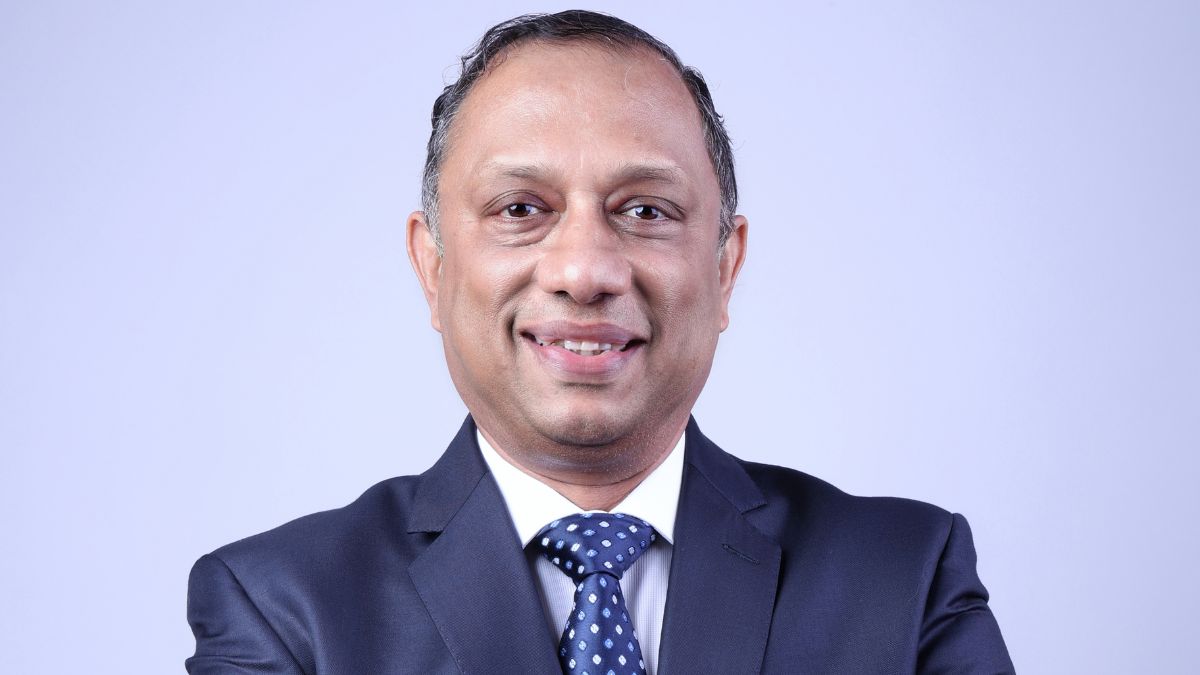
ITC veteran and executive director B Sumant believes that quick commerce and e-commerce are aligning aspiration with access in FMCG. He also believes that q-commerce existed long before apps in India – kiranas have always delivered at home. In an exclusive interview with Viveat Susan Pinto, Sumant spells out the firm’s omnichannel strategy, its work with kiranas to strengthen relevance and overall demand trends in the sector. Excerpts:
1) While income tax reforms and GST price cuts did stimulate demand immediately in sectors such as auto and retail, FMCG has been slower in contrast. Have demand trends improved?
Yes. We are already seeing improved demand for FMCG across markets. The Government’s progressive measures including income tax relief and GST reduction was aimed at making products more affordable and also catalyse higher disposable incomes. That is translating into higher consumption.
Demand has picked up across categories, not just for ITC but across the industry. Importantly, this is not just about higher volumes; we are also seeing a rise in premiumisation. GST rate cuts have accelerated premiumisation in FMCG. As products become more affordable, consumers are upgrading to better and higher-value offerings. This trend is likely to sustain.
2) But is the recovery visible in urban India even as rural India sustains momentum? Some market reports suggest that demand remains mixed. Your thoughts.
Improved demand trends are visible in both urban and rural markets. In fact, in terms of aspiration, there is no real difference between rural and urban India today. Access to smartphones and affordable data plans has resulted in greater awareness, content discovery and the ability to shop conveniently. Availability across both rural and urban markets is now catching up in terms of a wider assortment with a mix of mass and premium products.
Sumant on quick commerce
3) How is quick commerce helping in this shift?
Quick commerce is doing two things. One, it is dramatically improving assortment availability in smaller towns. Two, it is changing shopping behaviour. Consumers are no longer stocking up for the month. They are buying as and when they need products. This increases trial opportunities, especially for new products. It allows us to offer premium, low-shelf-life products with superior taste that were not viable earlier.
For example, in foods, we have launched low shelf-life fresh products under Sunfeast Baked Creations in quick commerce. In personal care, we have crafted innovations such as the Japanese Hokkaido Milk soap under Fiama especially for e-commerce and modern trade channels.
In foods, e-commerce today contributes around 13% of sales, with quick commerce accounting for about 7.5% within that. In personal care, e-commerce contributes about 24%; quick commerce is around 8.6% within it. Quick commerce remains a fast-growing channel for us.
4) Most FMCG distributors have flagged the issue of reduced importance given to general trade by companies even as q-comm grows. How are you helping them improve relevance?
Every channel has its own strengths. Kirana stores and neighbourhood retailers are deeply embedded in local communities, who’ve built their base on trust and convenience. In many ways, India had quick commerce long before apps—kiranas have always delivered at home.
We are actively working with retailers to strengthen their relevance through better assortment, in-store promotions, digital enablement, sampling and focused initiatives. Physical interaction and trust remain powerful advantages in FMCG and we understand that well.
5) Given that you have a wide assortment of products in FMCG, how are you ensuring a seamless omnichannel strategy across verticals?
Our philosophy is simple: the consumer decides where she wants to shop, and our job is to be present wherever the consumer is—kirana, convenience store, modern trade, e-commerce and quick commerce.
We have dedicated teams for each channel, and our supply chains are designed differently depending on the channel’s role, assortment and consumer behaviour. We are also harnessing AI and digital technologies to improve efficiency of each channel.
From trend spotting to consumer cohort-based personalised targeting for e-commerce to enabling data-led assortment recommendations and app-based self-ordering for retailers, Gen AI and digital tools are significantly enhancing ITC’s competitive strength in distribution.
Our products are available in nearly 7 million outlets across India. Direct distribution covers roughly 2.5 million outlets, and we are continuously expanding, adding stockists and increasing market coverage. We operate in nearly 1.7 lakh markets, including deep interior villages. Our focus is on penetration led growth. This year alone, we added over 5,600 new markets.
Sumant on managing trade-offs
6) Deeper penetration increases cost-to-serve for companies. How are you managing this trade-off?
Our wide product portfolio gives us a structural advantage. We sell everything from dense products like atta to light products like snacks, which allows us to optimise truck loads for both weight and volume. Because of this assortment width, we can make deeper routes economically viable and reach markets across the country.
7) With geopolitical shifts and India signing multiple free-trade agreements (FTAs), how do you see export opportunities evolving for ITC?
The government has laudably driven a series of mega agreements, which will spur trade and manufacturing, enhance livelihood opportunities and enable India to take strong strides towards a Viksit Bharat. FTAs help remove tariff and non-tariff barriers, which benefits all Indian companies. In line with India’s ascend in the global economy, ITC has also significantly ramped up its export aspirations.
ITC already exports FMCG products to over 70 countries, and we continue to see exports as an important growth avenue. In FMCG, particularly foods, our focus has been on serving the Indian diaspora, which has a strong preference for Indian brands and home flavours. Lower tariffs will further boost this opportunity.
In paperboard, packaging, education and stationery, FTAs can help put Indian manufacturers on a level playing field with countries like Vietnam. If duty structures are comparable, India—and companies like ITC—can compete much more effectively in the global market.