



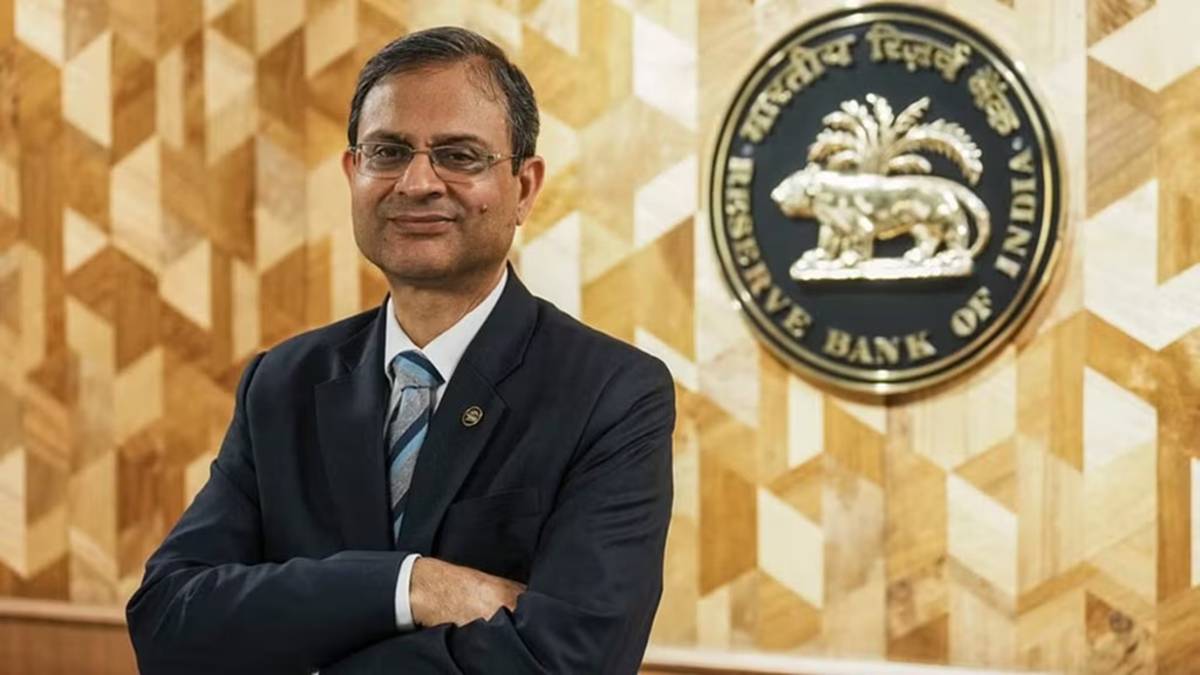
The Reserve Bank of India is not considering revisiting its recently announced norms on bank financing for traders and brokers, Governor Sanjay Malhotra said on Monday. He also ruled out any systemic risk arising from the IDFC First Bank fraud.
The RBI recently mandated that banks must secure 100% collateral when funding brokers and capped total exposure to 40% of their tier-1 capital. It has also barred bank funding for proprietary trading by brokers.
Since proprietary trading accounted for about 30% of participation in cash and futures markets and nearly 50% in the equity options segment as of December 2025, the move is expected to affect overall trading volumes.
What did RBI governor say?
The new rules take effect from April 1, sparking market concerns. “This has been done after proper consultation with all stakeholders. There is no change that we are contemplating,” Malhotra said at a joint media briefing following the customary post-Budget RBI Board meeting here.
He added that the central bank is monitoring developments related to the `590-crore suspected fraud at the IDFC First Bank’s Chandigarh branch involving accounts linked to departments of the Haryana government.
“We are watching developments; there is no systemic issue,” he said. Shares of the lender closed 16.18% lower on Monday on the BSE.
On inflation, Malhotra said a new base year and methodological changes in the Consumer Price Index would not by themselves warrant any alteration to the existing inflation-targeting framework of 4 ± 2%. The RBI has already submitted its recommendations ahead of next month’s review.
“Merely because of the change in this CPI series, will it result in a change? I don’t think so,” he said, adding that while the revisions in methodology, coverage, representativeness and volatility are substantial, they are ‘not significant enough’ to necessitate a policy shift. In the revamped CPI series, the weight of food in the consumption basket has been reduced.
Addressing bank capital requirements, he said lenders are well capitalised, with an average capital adequacy ratio of around 17% against the regulatory minimum of 11.5%.
Even without fresh capital infusion, banks can sustain credit growth of 10–11% annually over the next five years, he said, noting that foreign investors have invested or committed about Rs 1 lakh crore to the sector in the past year.
Government’s banking-sector reform push
Malhotra also expressed support for the government’s banking-sector reform push, which will be guided by an expert panel to be set up soon. Finance Minister Nirmala Sitharaman cautioned banks against mis-selling financial products, saying they should focus on their core business and welcomed the RBI’s forthcoming guidance on the issue.
On monetary policy, Malhotra said the Monetary Policy Committee will decide on any further rate cuts based on evolving growth and inflation dynamics.
Since February 2025, the RBI has reduced the benchmark repo rate by 125 basis points to 5.25% to support growth amid benign inflation, though the MPC kept rates unchanged earlier this month with a neutral stance in view of global uncertainties.