



A Congressional briefing in Washington DC has spotlighted growing concerns over what advocates described as a ‘pogrom against Hindus’ and other religious minorities in Bangladesh, drawing strong testimony from victims, human rights experts and diaspora activists.
Organised by the Coalition of Hindus of North America (CoHNA) and HinduAction, the event took place just days before Bangladesh’s national elections scheduled for February 12.
At the packed session held in the Rayburn House Office Building, speakers detailed what they called escalating “persecution and institutional failure” in Bangladesh following the ouster of ex-PM Sheikh Hasina, which led to widespread violence against minorities in the country.
Survivors and journalists described a deteriorating climate of fear and violence against minority communities that has gone largely unreported. CoHNA board member Sudha Jagannathan also emphasised the need to amplify first‑hand accounts, warning that silence only deepened the crisis.
The briefing featured a wide range of testimony, including harrowing personal stories from Hindus who said they faced coordinated hostility and threats.
‘Hindus won’t survive another decade’
One witness, identified only as SriRam for safety reasons, said his family’s hospital was taken over by Islamist groups and that celebrations like Victory Day had passed without customary community festivities. “Hindus will not survive another decade in Bangladesh,” SriRam warned, underscoring fears of community displacement and erasure.
Lawmakers also urged the US Congress and State Department to take concrete steps in response. Calls included condemning the violence publicly, holding formal hearings, and applying international pressure, such as designating Bangladesh as a ‘Country of Particular Concern’ and imposing targeted sanctions under the Magnitsky Act on key figures, including Chief Advisor Muhammad Yunus.
Notably, the Global Magnitsky Human Rights Accountability Act allows the US to freeze assets and ban entry of foreign human rights violators.
‘Major parties not contesting Bangladesh elections’
Speakers at the briefing, US Representative Suhas Subramanyam also flagged concerns about the broader political environment in Bangladesh. Subramanyam wondered if the upcoming elections will be “truly free and fair” as they will proceed without representation from one of the largest mainstream political parties.
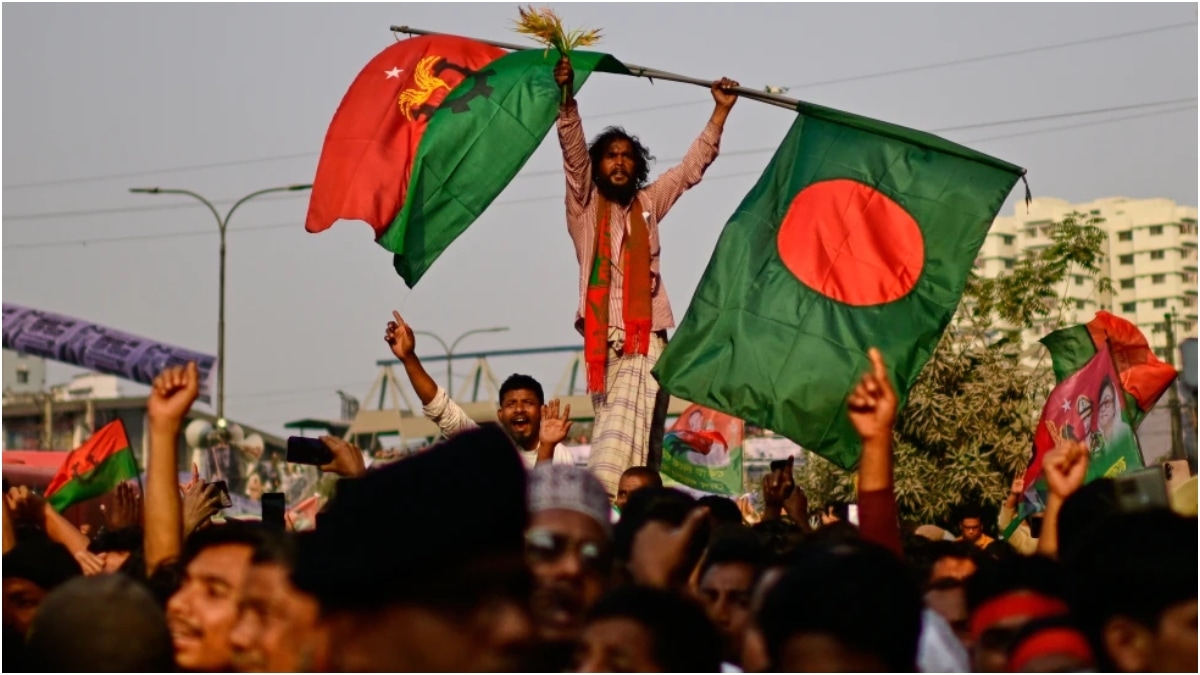
Four main alliances are contesting the elections, namely the Bangladesh National Party (BNP), 11-Party Alliance, National Democratic Front and Greater Sunni Alliance. The contest, however, is being deemed as a two-way battle with the BNP and 11-Party alliance at the forefront. Hasina’s Awami League is barred from participating in the elections.