



The United States has signalled that it wants to end the special waivers that allow countries such as India to continue buying Russian oil, a move that could have major implications for global energy markets and India-US ties.
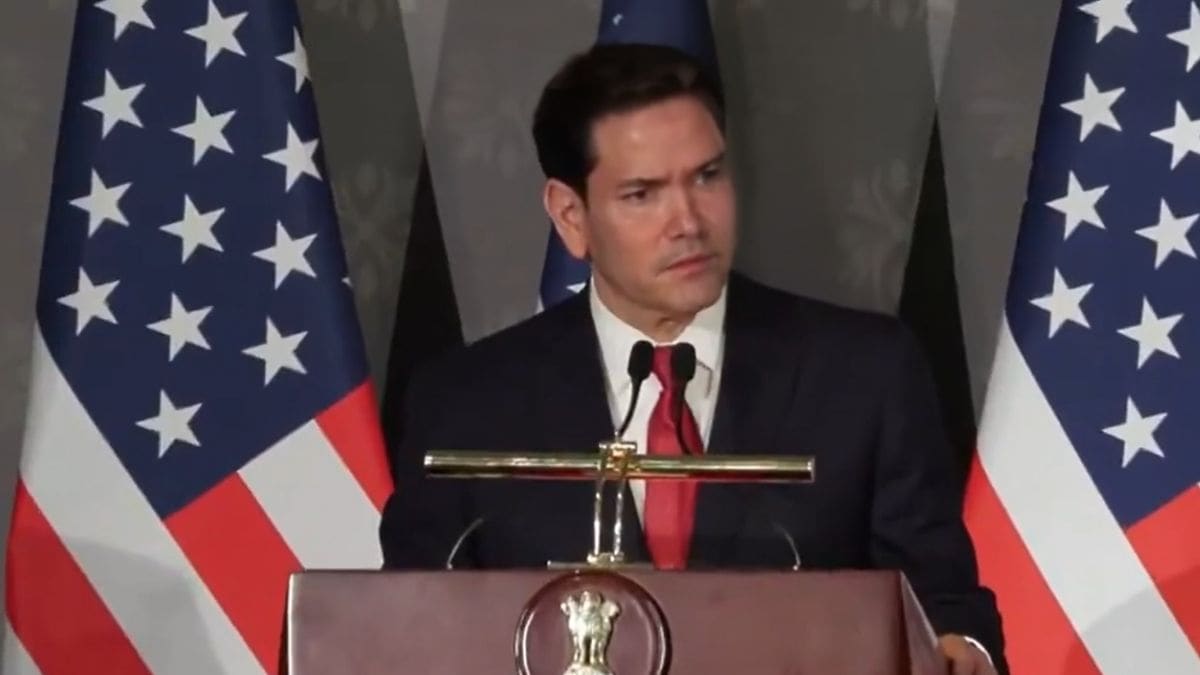
Speaking before the Senate Foreign Relations Committee on Tuesday, US Secretary of State Marco Rubio said Washington would like to stop extending the waivers as soon as possible because US policy continues to support sanctions on Russian oil.
However, he added that the final decision rests with the US Treasury Department and will depend on the circumstances when the current waiver expires on June 17.
“We would like to end it as soon as we possibly can, because the underlying policy of this country has been to sanction their oil. These are time-limited waivers for the purpose of opening up more global supply,” Rubio said.
Breaking: America wants to end license allowing countries like India to buy Russian oil "as soon as possible", says US Secretary of State Marco Rubio pic.twitter.com/E8Bm3EEmjz
— Shashank Mattoo (@MattooShashank) June 2, 2026
Why were the waivers introduced?
The waivers were issued earlier this year by the US Treasury Department’s Office of Foreign Assets Control (OFAC) after concerns emerged over global energy supplies.
The move came at a time when tensions involving Iran and instability around the Strait of Hormuz raised fears of disruptions to oil shipments and a possible energy crunch. To avoid a big supply shock, the US temporarily allowed certain countries considered vulnerable to continue importing Russian crude and petroleum products that had already been loaded before specific deadlines.
The waivers were designed to keep oil flowing into global markets and prevent sudden spikes in prices.
During his testimony, Rubio suggested that these temporary measures were also intended to reduce the risk of a broader economic shock. He warned that turbulence in energy markets can spread beyond oil and affect financial markets and economies around the world.
He added that even emergency measures, such as releasing oil from strategic reserves, may not always be enough to protect against a sudden crisis or extreme price swings.
India has relied heavily on discounted Russian oil
India, the world’s third-largest importer of crude oil, has become one of the biggest buyers of discounted Russian oil since the Ukraine war began.
Russian crude has often accounted for around 35 to 40 percent of India’s oil imports, helping the country manage fuel costs and contain inflation. The waivers allowed these supplies to continue during a period of uncertainty in global energy markets.
This is not the first time the US has applied pressure. In August 2025, the US imposed an additional 25% tariff on all Indian imports in response to India’s continued purchases of Russian oil. The penalty tariff, which pushed total duties on Indian goods to as high as 50%, forced India to scale back its Russian crude imports under trade and diplomatic pressure. The tariff was later lifted in February 2026.
India says energy decisions are based on national interest
Indian officials and energy experts have repeatedly said that the country’s oil purchasing decisions are guided by national interests, energy security and affordability.
While India has diversified its energy sources over the years, Russian oil remains an important and cost-effective option. Many voices in India’s policy circles and on social media have pushed back against the idea that New Delhi needs approval from Washington to decide where it buys its oil.
Rubio has previously tried to ease concerns in New Delhi by saying that US sanctions pressure on Russian oil was never directed specifically at India.
During an earlier visit to India, he said the sanctions were part of bigger efforts to increase pressure on Russia over the war in Ukraine.
What could happen if the waiver ends?
If the waiver is not renewed after June 17, India could face higher costs if it has to reduce purchases of cheaper Russian crude and shift to alternative suppliers.
That could have an impact on fuel prices and inflation, although India may look to increase imports from producers in the Middle East, the United States and other regions to offset any shortfall.
For Russia, fewer buyers could mean lower revenue from oil exports. The latest announcement came after an earlier 30-day waiver expired on May 16.
That exemption had originally been granted in March and was intended to act as a buffer for global fuel markets. It allowed Russian oil cargoes that were already in transit to continue their journey and reach international buyers despite ongoing sanctions
The latest licence marks the third extension granted since the conflict in West Asia began on February 28. For now, the future of the exemptions remains uncertain.