



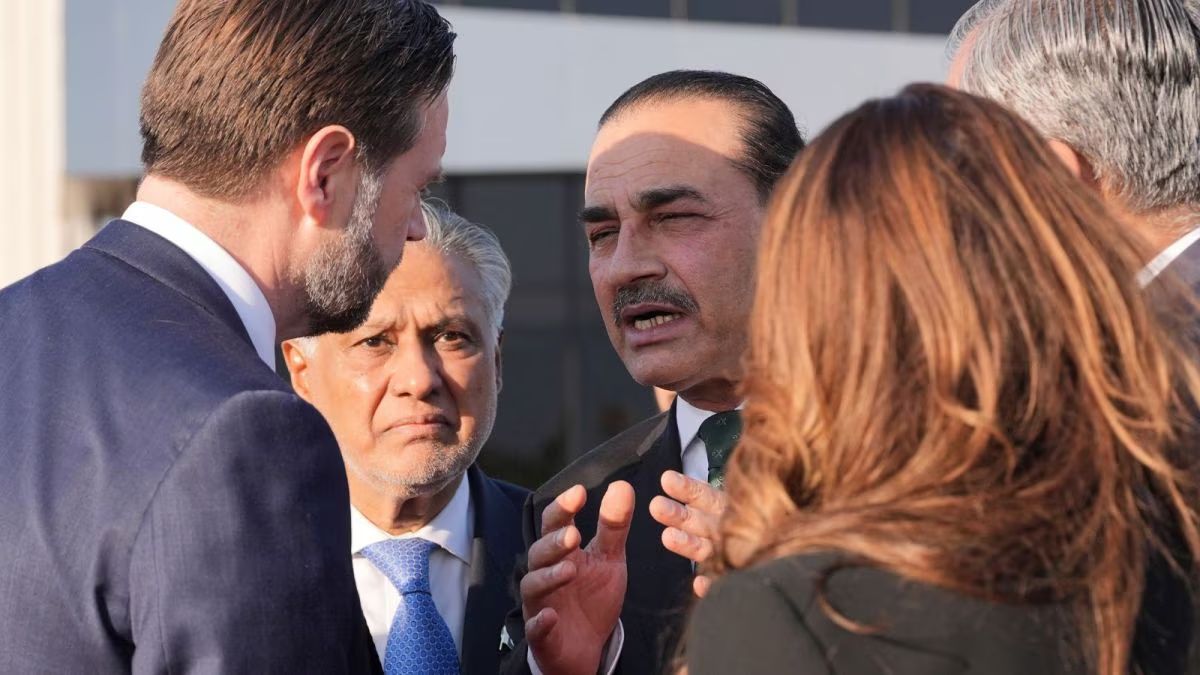
Talks between the United States and Iran are likely to start again after a tense round of negotiations in Islamabad ended without a deal, but both sides have now left the door open for another meeting in the coming days.
The discussions took place in Islamabad over the weekend, where officials from both countries tried to bridge deep differences on Iran’s nuclear programme and regional tensions. After nearly 21 hours of talks, the meeting ended without agreement, but mediators say a second round could happen as soon as Thursday.
Differences over nuclear activity- 20 years vs 5 years
At the centre of the deadlock is one question: how long should Iran pause its nuclear programme? The US, under Donald Trump, wants a full 20-year suspension of all nuclear activity, including uranium enrichment. The idea is to make sure Iran cannot build a nuclear weapon for decades, while still letting it claim it hasn’t permanently given up its rights.
Iran, however, is not on board with that. It has offered a much shorter pause, up to five years, saying that is already a big step after years of sanctions and recent military strikes. Fresh details of the failed negotiations emerged on Monday. This wide gap between 20 years and five years is one of the main reasons the talks stalled.
JD Vance, who led the American side, said there were “some good conversations,” but nothing solid came out of it. Speaking later, he made it clear that the US expects Iran to make the next move.
After returning without a deal, Vance also accused Iran of “economic terrorism” over its actions in the Strait of Hormuz and defended America’s response. The US has now started a naval blockade of Iranian ports, saying it is simply reacting in kind. As Vance put it, “Two can play at that game.”
What to do with Iran’s existing uranium stockpile?
The US wants strict control over about 970 pounds of uranium that is already enriched to around 60%, which is close to weapons-grade. Washington is pushing for the material to be removed from Iran or placed under international supervision. There have even been discussions about physically securing it at facilities like the Isfahan nuclear facility.
Iran is refusing to let that happen. It says the uranium must stay inside the country. As a middle ground, Tehran has offered to dilute it so it cannot be instantly turned into weapons fuel, but it does not want to give it up or accept long-term restrictions.
Pressure building beyond nuclear talks
The talks are not just about nuclear issues. There is also growing tension in the region.
The US wants free movement of ships again through the Strait of Hormuz, which carries about one-fifth of the world’s oil. Iran had earlier restricted traffic there, which pushed the US to respond with a naval blockade.
American warships, including the USS Abraham Lincoln, are now in the region to enforce it. This has already hit global markets. Oil prices have jumped nearly 40% since the conflict began and are hovering close to $100 a barrel. US Energy Secretary Chris Wright has warned that while prices may stabilise soon, people should expect higher fuel costs for some time.
On the other hand, Iran’s Foreign Minister Abbas Araghchi has warned that US actions in the Gulf could have “dangerous consequences” for global peace. Meanwhile, Sergey Lavrov and Russia have stepped in, offering to mediate and help calm things down.
What happens next?
Another meeting could happen as soon as Thursday, possibly again in Islamabad or even back in Geneva. Officials say there was “some flexibility” from Iran, but not enough to close the deal.
The US believes pressure from the naval blockade will push Iran closer to an agreement. Iran, on the other hand, is signalling it will not give in under pressure. As Vance summed it up, a deal is still possible, but it now depends on Iran taking the next step. “The ball is in Iran’s court,” he said.