



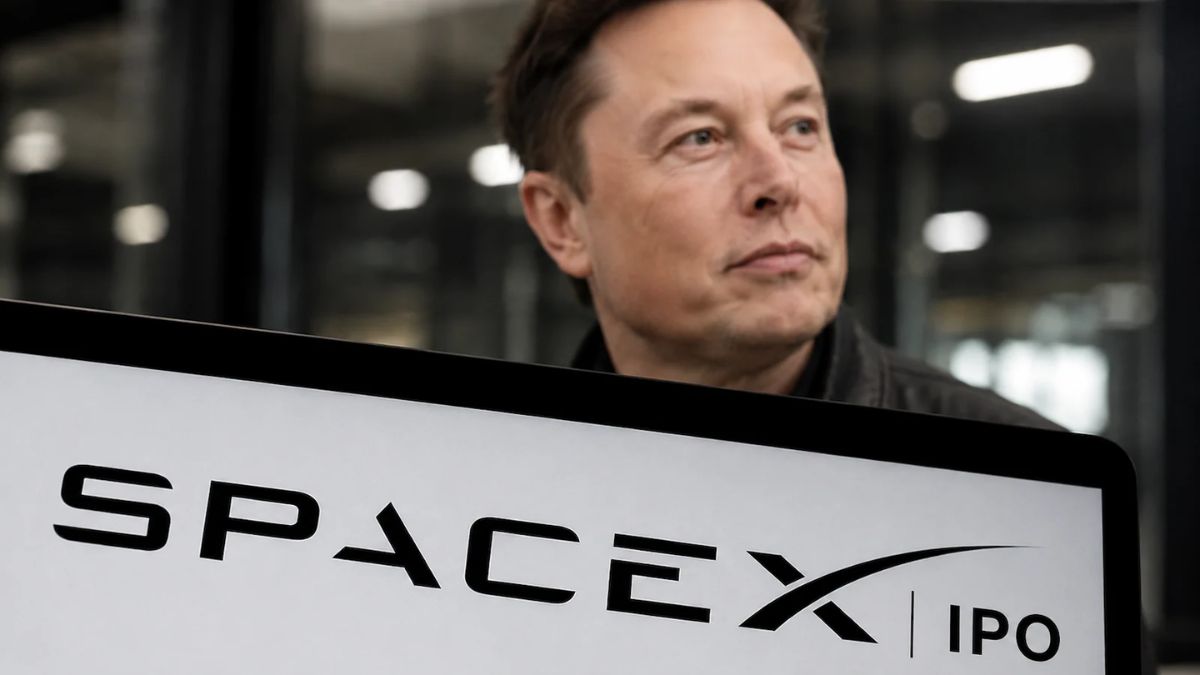
SpaceX delayed a flight test on Thursday evening — aborting liftoff amid billowing clouds of smoke and vapor. Starship had been mere seconds away from another space-skimming journey halfway around the world when some of the engines failed to start. CEO Elon Musk confirmed that replacements would be made before a second attempt was made. Shares of the rocket company also fell about 3% in aftermarket trading to close below its IPO price of $135 for the first time since listing last month.
“Some of the engines didn’t start, triggering an automatic launch abort. To be confident of a good flight, two Raptors will be removed and replaced. Most probable launch timing is early next week,” Musk said via X.
The developments also come mere days after the US Federal Aviation Administration closed its review into the return failure of a SpaceX Starship booster. The FAA said it had overseen and “accepted the findings and corrective actions” of the SpaceX investigation into the May flight test. The update had cleared the way for Musk’s rocket company to launch Starship Flight 13 from Texas on Friday.
“There are no reports of public injury or damage to public property…SpaceX identified four corrective actions, including vehicle hardware and software configuration updates to prevent a reoccurrence of the event…SpaceX can proceed with Starship Flight 13 launch operations provided all safety and other licensing requirements are met,” an FAA release had reiterated.
Why did SpaceX abort takeoff at the last second?
An AP update notes that everything had been going in favour of SpaceX — including the weather — until the partial engine ignition. The launch webcast also showed the start of engine ignition three seconds before the planned liftoff. The 407 feet (124 meters) tall Starship with 33 main engines is incidentally the world’s biggest and most powerful rocket.
On-screen data reportedly showed four engines not firing at the last second — with the remaining 29 engines immediately shutting down and keeping the rocket anchored to the pad. The automatic launch system worked as planned by halting everything, and the launch team immediately began draining the fuel from the rocket. Musk did not disclose how many engines of the Super Heavy rocket had failed to start in his X update.
It was the first time a full-scale Starship has experienced a last-second abort in this manner. Some of its predecessors have ended their flights in explosive fireballs, and too few operating engines could have doomed the launch.
“We did trigger a hold on the booster that aborted our liftoff as we were starting to light those Raptor engines,” spokesperson Dan Huot said on the SpaceX live stream after the launch was scrubbed.
SpaceX shares continue freefall
The billionaire businessman has seen his fortunes fluctuate wildly over the past month — rising briefly to a net worth of $1.4 trillion before losing more than $500 billion in a matter of weeks. The about-face appears to reflect in part investor concern over debt-funded AI spending and what potential Federal Reserve rate hikes might do to stretched tech valuations. SpaceX turned to the bond market last month to raise $25 billion, becoming the latest tech giant to sell bonds to build out costly technology infrastructure whose return prospects are hotly debated on Wall Street.
The stock’s addition to indexes such as the tech-heavy Nasdaq 100 didn’t reverse the retreat. SpaceX’s shares have dropped some 13% since they were included in the Nasdaq 100 last week. The aborted launch on Thursday worsened the situation — with the stock ending at $131.11 and closing below its IPO price for the first time since listing.