



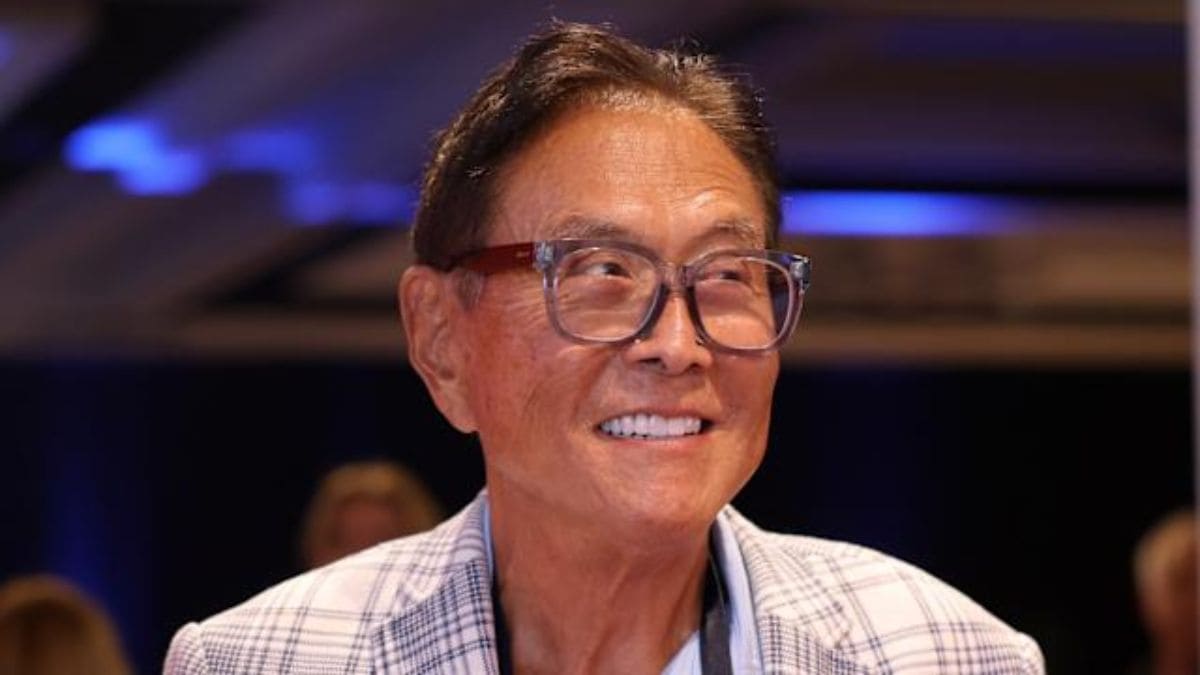
Famous author and investor Robert Kiyosaki has once again warned on the future of the US dollar, this time linking his concerns directly to the tensions involving Iran and the changing structure of global oil trade.
In a strongly worded post on X, Kiyosaki warned that the ongoing crisis in the Middle East could trigger something “worse than war,” the gradual weakening of the US dollar’s dominance.
“Death of the US Dollar?” Kiyosaki wrote, after pointing to reports that Iran has increasingly been accepting Chinese yuan instead of dollars for oil payments. According to him, the development is not just about geopolitics or sanctions. It shows a major challenge to the financial system that has supported American economic power for decades.
WORSE THAN WAR in IRAN
— Robert Kiyosaki (@theRealKiyosaki) May 24, 2026
Death of the US Dollar?
Iran began accepting payment for oil in Chinese Yuan. What does that mean to you and your future and the future of the US dollar?
I strongly encourage you to invest about and hour in your financial education.
I strongly…
The Petrodollar system under pressure
Kiyosaki urged people to listen to billionaire investor Ray Dalio, who recently discussed the issue in a podcast titled “Iran just killed the petrodollar.”
Dalio explained that the “petrodollar” system, where oil is globally traded in US dollars has long helped preserve the dollar’s strength and reserve currency status. The arrangement, historically tied to agreements between Washington and Saudi Arabia, ensured constant global demand for dollars because countries needed the currency to buy oil. But Dalio believes cracks are beginning to appear.
As countries like Iran and China increasingly use yuan-based settlements for oil trade, it could slowly reduce dependence on the dollar in global commerce. That, in turn, may weaken America’s financial leverage. “This is the biggest news in world financial history and no one is explaining it save for Ray Dalio,” he wrote.
Why Ray Dalio thinks the stakes are bigger than oil
Dalio has also warned that the current conflict in the Strait of Hormuz could become an important moment for American global influence. In a post on X earlier this year, the hedge fund billionaire said that if the United States fails to resolve the Hormuz crisis “from a position of strength,” it could begin eroding global confidence not only in US power but also in the dollar itself.
“When the world’s dominant power that has the world’s reserve currency is overextended financially, watch out for allies and creditors losing confidence,” Dalio wrote.
He added that such periods in history often lead to countries selling debt assets, weakening currencies, and shifting toward hard assets like gold.
Dalio compared the current tensions to historical moments when major powers were tested economically and militarily at the same time. According to him, control over trade routes and energy supply chains has often determined whether empires maintain dominance or begin to decline.
Rising debt and bond market stress
The debate over the future of the dollar comes at a time when concerns around US debt are already mounting. Long-term Treasury yields have surged in recent months, with the 30-year Treasury yield crossing 5% — levels not seen since the period leading up to the 2008 financial crisis. The latest warning is consistent with Kiyosaki’s investment philosophy over the last decade. The “Rich Dad Poor Dad” author has repeatedly encouraged followers to move away from cash holdings and toward what he calls “real assets.”
Along with gold and silver, Kiyosaki has increasingly backed Bitcoin as protection against inflation, currency devaluation and financial instability. He argues that while much of the world is focused on military escalation in the Middle East, a larger financial transformation is happening underneath.
Disclaimer: The content in this article is based on a viral social media discussion and is intended for informational and entertainment purposes only. The financial figures and strategies mentioned are personal to the user and have not been independently verified. This story does not constitute financial advice or an endorsement of any specific investment strategy. Readers are advised to consult a SEBI-registered investment advisor before making financial decisions.