



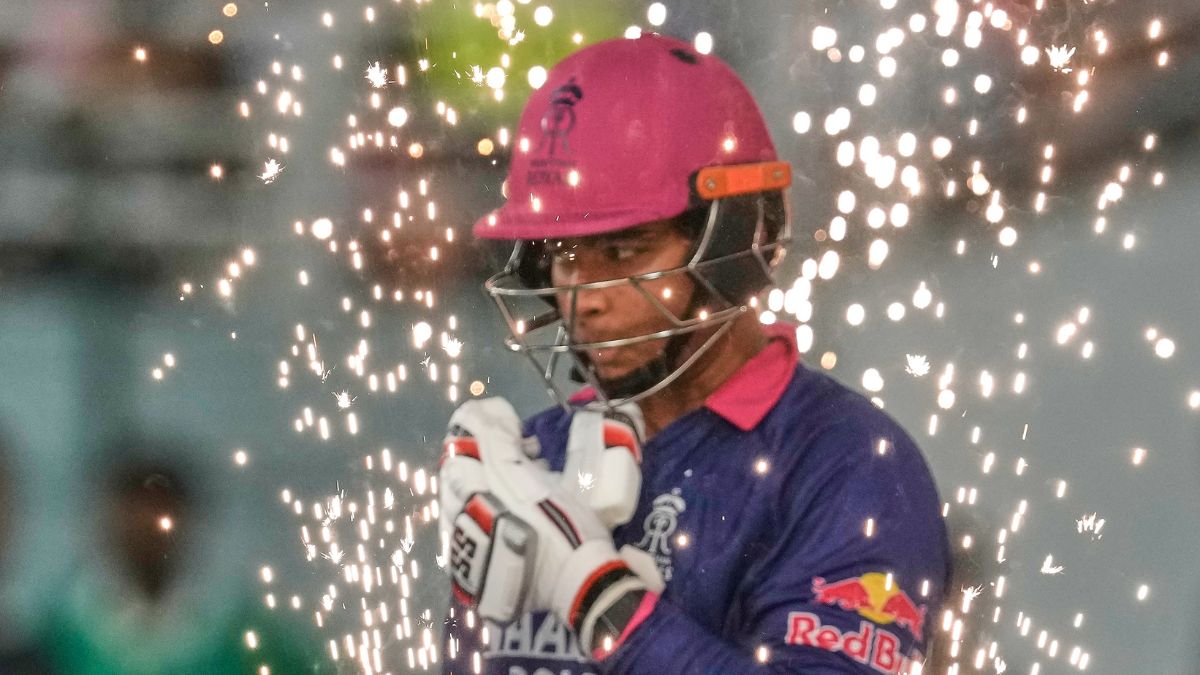
A few months ago, Vaibhav Sooryavanshi was viewed as a promising teenage cricketer with a handful of sponsorship deals. Today, after a record-breaking IPL season, the 15-year-old is emerging as one of India’s most sought-after sporting properties, with industry executives estimating that his endorsement fee has doubled.
The sharp rise in his commercial value follows a season that saw him score 776 runs in 16 matches at a strike rate of 237.30, earning both the Orange Cap and the Most Valuable Player (MVP) award.
For brands, Sooryavanshi represents more than just a successful cricketer. He arrives at a time when Indian advertisers are increasingly searching for the next generation of sports stars as several established icons approach the latter stages of their careers. Although no official industry expert of brand has come on record, the number that is being floated in several news reports is Rs 1 crore per contract.
A rare sponsorship opportunity
Sooryavanshi’s case is a classic example of a breakthrough athlete whose on-field performance rapidly outpaces his pre-existing commercial valuation.
Before the season, his endorsement portfolio was largely limited to youth-focused brands, including health drink maker Complan and digital payments platform Google Pay.
Several brands across sports nutrition, cricket equipment, footwear and consumer products are reported to be exploring partnerships with the young batter. The attraction is clear. At 15, Sooryavanshi offers something increasingly rare in sports marketing: a long runway for brand building.
Unlike established stars whose endorsement portfolios are already crowded, he gives marketers an opportunity to establish an association early and potentially benefit from years of consumer recall if his cricket career continues its upward trajectory.
Why brands are shortening contracts
The structure of endorsement deals is also changing. Traditionally, companies sought to lock promising athletes into long-term contracts spanning three to five years. However, executives involved in sports sponsorship say brands are increasingly opting for shorter agreements with emerging talent.
The preference for two- to three-year contracts reflects a more cautious approach to athlete investments. While brands want exposure to rising stars, they are also seeking flexibility in a highly competitive sports marketplace where form, fitness and public visibility can change rapidly.
For Sooryavanshi, the shorter contract cycle allows his commercial value to be reassessed more frequently if his performances continue to improve.
Age remains an important factor
Despite the surge in demand, a large portion of the endorsement market remains inaccessible because of his age.
Many categories typically associated with high-value sports sponsorships, including automobiles and several adult-oriented consumer segments, are unlikely to feature in his portfolio in the near term.
The contrast was evident when he received a Tata Sierra SUV as part of his IPL awards haul despite being several years away from legally driving.
Industry observers say this limitation may actually work in his favour. By focusing on education, nutrition, technology and youth-centric brands, Sooryavanshi can build a more authentic public image while avoiding the risks of over-commercialisation.
A management model focused on the long term
Another factor attracting attention within the sports business ecosystem is the way Sooryavanshi’s commercial affairs are being handled.
Unlike many young athletes who quickly sign with external talent agencies, his brand management remains closely aligned with the Rajasthan Royals setup.
The approach allows greater control over media appearances, sponsorship commitments and public exposure, helping ensure commercial opportunities do not overwhelm sporting development.
For franchises and sponsors alike, protecting long-term career growth is increasingly becoming as important as maximising short-term revenue.
From cricket field to business school
Sooryavanshi’s rise is also drawing interest beyond the sports industry.
The Indian Institute of Management (IIM) Indore is preparing a study examining the mental attributes that enabled a teenager to perform under intense scrutiny during one of the world’s most-watched cricket tournaments.
Researchers are expected to explore how decision-making, resilience and pressure management displayed in elite sport can offer lessons for business leaders operating in high-stress environments.
The study reflects a broader trend in management education, where insights from elite athletes are increasingly being used to understand leadership, performance and organisational resilience.
The business of betting on the future
For corporate India, the race to sign Sooryavanshi is ultimately a bet on future relevance. Sports endorsements have long been driven by visibility but increasingly they are also about securing early access to emerging cultural influence.
His rise demonstrates how exceptional sporting performances can reshape commercial valuations almost overnight. It also highlights the growing sophistication of India’s sports marketing industry, where brands, franchises and managers are seeking to balance immediate returns with long-term value creation.
At 15, Sooryavanshi remains at the very beginning of his cricket journey. Yet his rapid ascent shows how quickly a standout season can transform a promising athlete into a multi-crore commercial asset.