



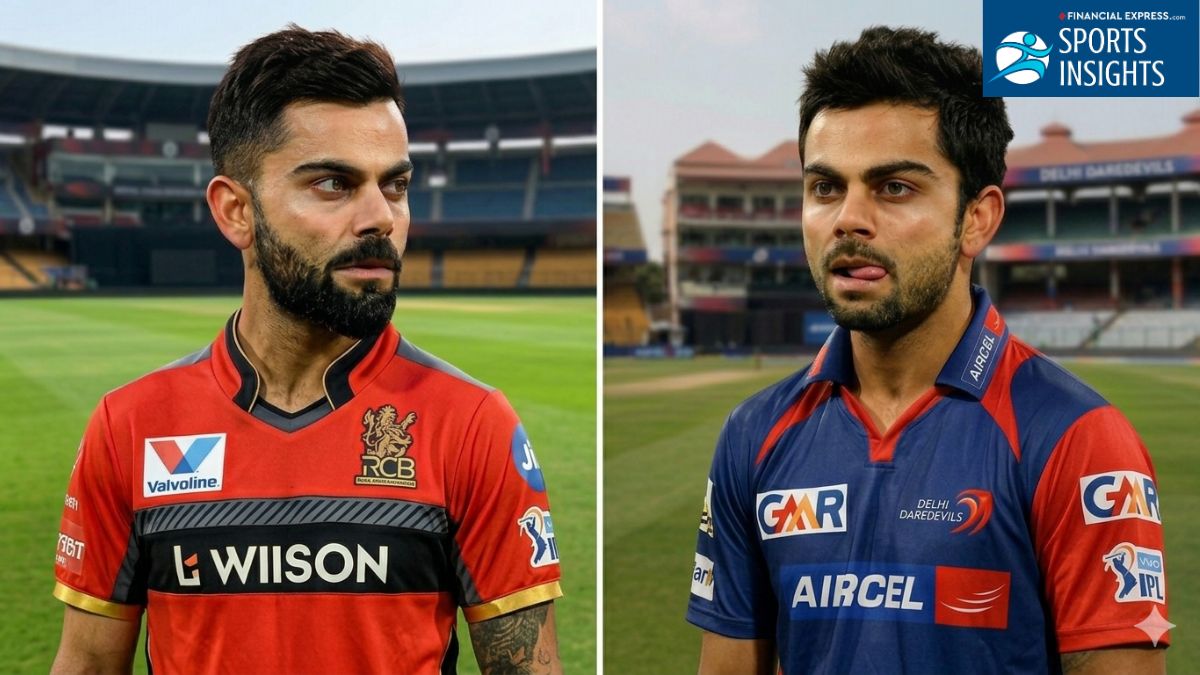
The Room Where It Happened
February 2008. Some hotel conference room in Mumbai. The air conditioning hummed too loud and the coffee had gone cold. Eight franchise owners sat around a table that cost more than most Indian homes. They were picking kids. Not the big auction names. Just kids.
The Delhi Daredevils had won the draw. First pick. They could have anyone. Virat Kohli sat there. He had just led India to the Under-19 World Cup title. He was the local boy. West Delhi kid. Vikaspuri Coaching Centre product. The kind of player you build temples around later.
They took Pradeep Sangwan instead.
Sangwan was also from Vikaspuri. Same coaching centre. Same World Cup winning team. Left-arm pacer. Sehwag liked him because he had made Sehwag uncomfortable in the nets. That was enough. Delhi paid fifty thousand dollars. Maximum bracket. They thought they were being clever. Bowling depth. Variety. The left-arm angle.
RCB took Kohli for thirty thousand. Pocket change even then.
Nobody shouted. Nobody threw chairs. It was just business. Cricket business. The kind that looks sensible on paper and breaks your heart ten years later.
Sangwan’s Mercedes and the Weight of It
Pradeep Sangwan remembers the scooter. He remembers booking the Mercedes. He was seventeen. One day he was earning ten thousand rupees for a Ranji match. The next day he had forty lakh in his account. He called his father. The line went quiet. Then his father asked if he was drunk.
That is the part we forget. Sangwan was not a mistake. He was a boy who bowled fast and dreamed big. In 2009 he took fifteen wickets. Delhi reached the semi-finals. He was doing his job. He was not supposed to become the greatest batter of the generation. He was just supposed to be a useful left-armer.
But the IPL does not forgive usefulness. It demands immortality.
Sangwan remembers the team meetings. The coaches warning about Matthew Hayden. Alien-like dominance. The atmosphere of fear. He was a teenager bowling to monsters. Gilchrist, Hayden. The kind of men who ate bowlers for breakfast and asked for seconds.
He did okay. Then he did not. Then Delhi released him. Three seasons. That was it.
He never played for India. He never led a franchise for twenty years. He just went back to domestic cricket. Back to the grind. Back to being another talented left-armer in a country that produces them like monsoon frogs.
The last time anyone checked, he was still playing. Still running in. Still hoping. That is the human part. The part that hurts.
What If Kohli Had Stayed Home
Imagine it. 2009. Kohli in Delhi blue. Not RCB red. Sehwag at the other end. Gambhir walking in at three. The Delhi batting order that actually made sense. No more foreign imports trying to understand Indian conditions. Just three Delhi boys who grew up on the same concrete pitches.
The 2012 season changes. Delhi wins eleven games in the league stage. They are monsters. But this time, when they reach the qualifier against Kolkata, Kohli is there.
He does not get dropped like Morkel did. He does not watch the middle order collapse from the dugout. He walks out. He anchors. He finishes.
Delhi wins the IPL in 2012. Maybe 2013 too. The dynasty starts early. Mumbai Indians never becomes the juggernaut. CSK has real competition. The whole league tilts north.
Kohli and Gambhir share a dressing room. No ugly spat in 2013. No finger pointing. No “who is the real Delhi boy” nonsense. Just two men who understand each other. Gambhir mentors him. Kohli learns patience. He wins early. He does not need to become the angry young man chasing validation. He just becomes great.
But here is the thing. Maybe he does not become Kohli.
The Kohli we know is built on failure. RCB lost and lost and lost. He stayed. He stayed when they released everyone else. He stayed when they gave him rubbish teams. He stayed when the whole world laughed. That loyalty made him. The underdog story. The man who loved a losing team.
In Delhi, he wins early. He becomes corporate. Dominant. Expected. He is just another great player on a great team. No romance. No tragedy. No thousands of people showing up for a victory parade in 2025 because they finally, finally did it.
Maybe Delhi ruins him. Maybe they release him in 2011 like they did de Villiers. Maybe they find some reason. Too expensive. Not fitting the plan. Delhi was always chopping. Always changing captains. Always finding new ways to break their own heart.
Sangwan got three years. Would Kohli have gotten twenty in that chaos?
The Money They Burned
Let us talk numbers. Simple ones.
RCB is worth 269 million dollars now. Delhi is at 152 million. The gap is Kohli. Plain and simple. His face. His brand. His 20 million Instagram followers. His fitness programs. His bars and cafes.
Delhi could have had that. Should have had that. The capital city. The political centre. The corporate headquarters. They should have been the biggest brand in the league.
Instead they are the team that always almost lose. The team that changes names. Daredevils to Capitals. New colours. New hope. Same emptiness.
RCB charges 25 crore for a jersey logo. Delhi cannot dream of that. The Kohli premium. That is what analysts call it. Ten to fifteen percent of franchise value. Just one man. One decision in 2008.
Sangwan cost them 100 million dollars. Maybe 150 million. He cost them a lifestyle brand. He cost them bars in Bengaluru that stay open all year. He cost them a women’s team that wins titles under the same banner. He cost them the love of a city that does not care about cricket until it does, and then it cares too much.
All for a left-arm pacer who took fifteen wickets in 2009 and disappeared.
The Boys from Vikaspuri
They grew up together. Same coaching centre. Same concrete. Same coach. They travelled to Malaysia for the Under-19 World Cup. Sangwan took 8 wickets in 6 games there. Kohli scored 235 runs. They won together. They came back heroes.
Then the draft. Then the divergence.
Sangwan does not hate Kohli. Kohli does not pity Sangwan. They are just two paths from the same starting point. One went to the stars. One went back to the grind.
Sometimes Sangwan must think about it. When he sees the billboards. When he sees Kohli lifting that trophy in 2025 after 18 years of waiting. He must wonder what happened in that room. What if Sehwag had not liked his left-arm angle that day. What if they had taken the batter instead.
But wondering does not change anything. The scooter is gone. The Mercedes is old. The IPL moves on. It always moves on.
The Lesson Nobody Learns
Here is the truth. Delhi thought they were being smart. They had Sehwag, Gambhir, Dhawan, De Villiers. Why pick another batter? They needed bowling. Variety. The left-arm thing. It made sense. On paper. In the moment.
That is the trap. Cricket is not played on paper. It is played in hearts. In loyalty. In the long game.
RCB picked Kohli when they did not need him. They had Kallis, Dravid. They picked him anyway. They kept him when the mega auction came. They kept him when he failed. They kept him when it made no sense.
That is why they are worth 269 million. That is why they sold for 1.78 billion in 2026. Not because they won. Because they waited. Because they believed.
Delhi never believed in anyone for long enough. Not Sehwag. Not Gambhir. Not de Villiers. Certainly not some nineteen-year-old left-armer from Vikaspuri. They believed in the next big thing. The next season. The next coach. The next captain.
They could have believed in Kohli. They should have. But they chose Sangwan. And Sangwan was just a boy who bowled fast and bought a Mercedes too young. He was never going to save them from themselves.
The draft room in 2008. Cold coffee. Bad air conditioning. One decision. Two lives. Two franchises. Two hundred million dollars. And a what-if that will haunt Delhi forever.
That is cricket. That is business. That is life. You pick wrong sometimes. And wrong stays wrong.