



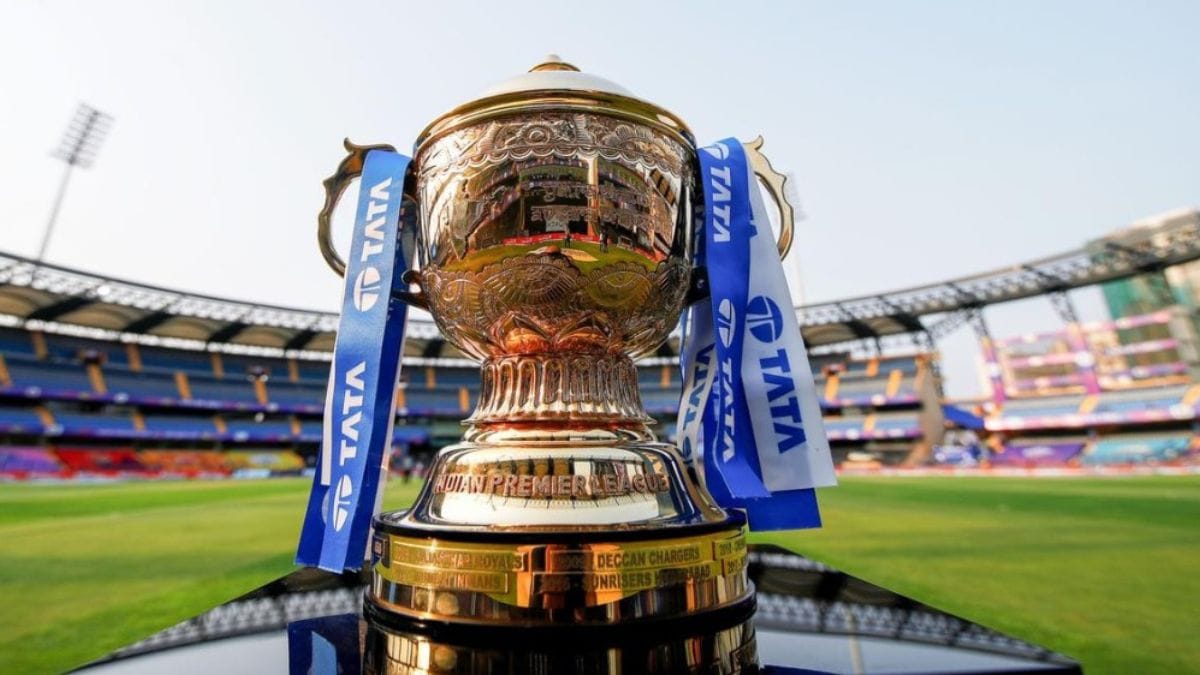
IPL franchises have reportedly approached the finance ministry seeking a reclassification of Indian Premier League matches as sporting events instead of entertainment, a move that could significantly reduce the tax burden on ticket sales.
According to a report by Economic Times, the proposal, if accepted, would lower the GST on IPL tickets from the current 40% to 18%, aligning it with the tax rate applied to tickets for recognised sporting events organised by the Board of Control for Cricket in India (BCCI).
A government official, cited in the report, confirmed that the matter will be placed before the GST Council for consideration.
How IPL tickets moved into the 40% GST bracket
The current 40% GST slab was introduced after the September GST restructuring by the 56th GST Council Meeting. It applies primarily to what are categorised as “sin goods and services,” including gambling, betting, casinos and luxury items. IPL tickets were included under this higher tax category following the revision.
Before this change, IPL match tickets were taxed at 28%, while recognised sporting events remained under the 18% GST bracket.
‘Not consistent with policy rationale’: IPL teams’ argument
In their representation, IPL teams have argued that applying the 40% rate is inconsistent with the intent of the tax framework, which is designed to discourage activities with negative social impact such as gambling and betting.
The franchises have stated that IPL matches represent family-friendly sporting entertainment and should not be grouped with sin goods.
They further pointed out that several premium consumption categories such as high-end hotels and business-class air travelcontinue to be taxed at 18%, suggesting that IPL tickets are being treated inconsistently within the GST structure.
Industry view: Impact on sports ecosystem and growth
Tax experts quoted in the report said the current structure may have wider implications for the sports economy.
One EY partner noted that taxing IPL tickets at 40% could negatively affect the broader sports ecosystem, including tourism, hospitality and allied industries that benefit from match-day demand.
Another tax expert highlighted that India’s leadership position in cricket, compared to other global leagues, could face competitive pressure if ticket pricing becomes less attractive due to higher taxation.
Why the issue matters now
The issue matters now because of the need for greater consistency in GST slabs across entertainment and sporting categories. It is being argued that anomalies above the 18% rate may need to be rationalised going forward.
The proposal from IPL franchises places ticket taxation at the centre of a broader debate on how sports are classified under India’s GST framework, balancing revenue considerations with the growth potential of one of the country’s most valuable sporting properties.