



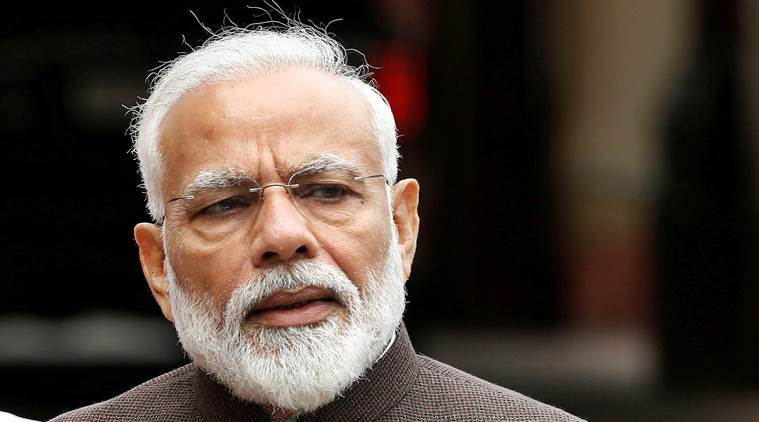
PM Modi in Ayodhya: During his visit to Ayodhya for the ‘bhumi pujan’ of Ram temple, Prime Minister Narendra Modi is scheduled to plant a sapling of ‘Parijaat’ in the premises of the temple, according to a report by news agency ANI. The sapling would be planted ahead of the bhumi pujan on Wednesday. But there are several things that make this plantation of the ‘Parijaat’ sampling unique.
The ‘Parijaat’ plant is associated with holiness according to the Hindu mythology. But apart from that, even the manner in which PM Modi would be planting the sapling would make this unique.
According to ANI, it is likely that PM Modi would use the natural drip irrigation method while planting the Parijaat plant. Drip irrigation is a traditional method in which an unglazed pot made of clay is filled with water and placed parallel to the roots of the plant, thereby providing it with water for around a week.
The report stated that in July, PM Modi had himself shared an example of this unique method in use. The method is practised in places dealing with water scarcity in Gujarat.
ANI stated that Mahant Rajkumar Das had told the agency about the activities enlisted for August 5, and had said that PM Modi would plant the sapling after taking part in the pooja of ‘Bhagwan Shree Ramlala Virajman’, and after the planting of the ‘Parijaat’ sapling, he would proceed to performing the ‘bhumi pujan’.
The foundation stone-laying ceremony of the Ram temple is a much-awaited occasion and it will take place amidst massive fanfare on Wednesday. Before the ‘bhumi pujan’ ceremony, PM Modi would be performing a pooja at the Hanuman Garhi temple and Shree Ramlala Virajman, the report stated. Apart from the ‘bhumi pujan’, PM Modi would also unveil a plaque that would mark the laying of foundation stone. Moreover, a commemorative postage stamp would also be released on ‘Shree Ram Janmabhoomi Mandir’, the report added.
Ahead of the PM’s high-profile visit, the Hanuman Garhi temple underwent a sanitisation drive on Wednesday morning. The Saryu Ghat has also been decorated.
Apart from this, the day would be celebrated with more than 11,000 diyas that would be lit across Ayodhya to light up every street, and all the houses would celebrate ‘deepotsava’, the festival of lights.