



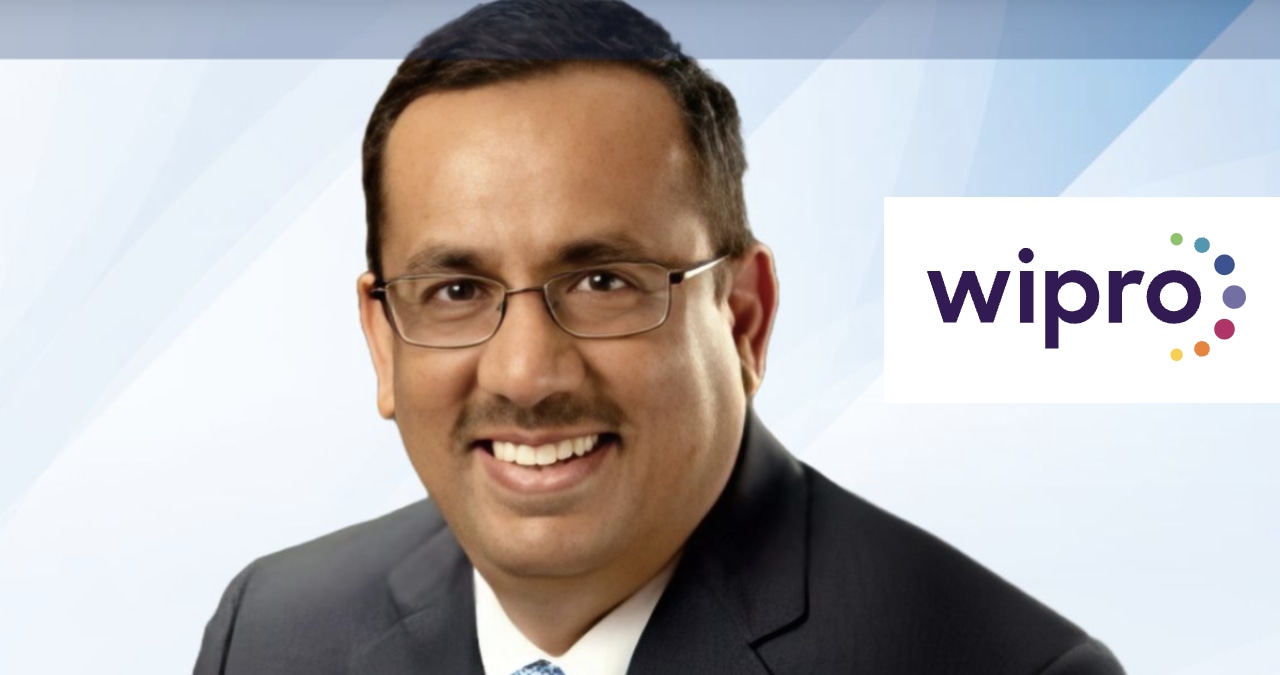
AI is set to become the defining force in technology for the next two decades, presenting a massive opportunity rather than a threat to India’s IT services industry, according to Wipro’s Chief Strategist and Technology Officer Hari Shetty.
In a recent interview, Shetty emphasised how AI represents “probably the single biggest opportunity” the sector has ever seen, comparing its impact to how the inventions of electricity and the internet changed the world back in the day. Similar to what TCS CEO K Krithivasan stated, Shetty dismissed widespread fears that AI-driven automation will shrink demand for outsourced services, arguing instead that the shift will expand the scope of work for IT firms.
“When you look at the entire gamut of things that’s possible, it really appears like a large opportunity for us,” Shetty stated. He predicted AI will drive business for at least the next 10 to 20 years, evolving from current task automation to fully autonomous enterprises, where IT partners collaborate deeply with clients to transform operations and decision-making.
“What you’re seeing today is basically task automation. What we are really talking about is autonomous enterprise, which is a completely different ball game that will require IT services companies to work deeply with clients to actually convert them,” he explained.
AI to create more jobs than it displaces
Citing World Economic Forum estimates, Shetty noted that AI could generate approximately 170 million new jobs globally while disrupting around 92 million roles, resulting in net job growth. In India’s $283 billion IT services sector, he expects rising demand for engineers skilled in AI, countering concerns that the traditional staffing-heavy model will collapse.
“The primary differentiation here is people who know AI and people who do not know AI,” Shetty said. He highlighted that Wipro continues to hire young engineers comfortable with AI tools, drawing parallels to how cloud computing expanded rather than reduced workloads.
Wipro CEO shared critical IT skills to exist
Shetty identified three core skill areas poised to become essential differentiators for IT professionals in the AI era:
Model training: Building and fine-tuning AI models for specific enterprise needs.
Data curation: Preparing high-quality, reliable datasets to power effective AI systems.
Responsible AI practices: Ensuring ethical deployment, bias mitigation, governance, privacy, and compliance.
These skills go beyond traditional programming, focusing on the special expertise required to develop, deploy, and manage trustworthy AI solutions at scale.
While some voices, including former Infosys CEO Vishal Sikka, have warned of dramatic productivity gains (20-30x in some cases) leading to smaller teams and pricing pressures, Shetty remains optimistic that AI will ultimately increase the overall pie for services firms.