



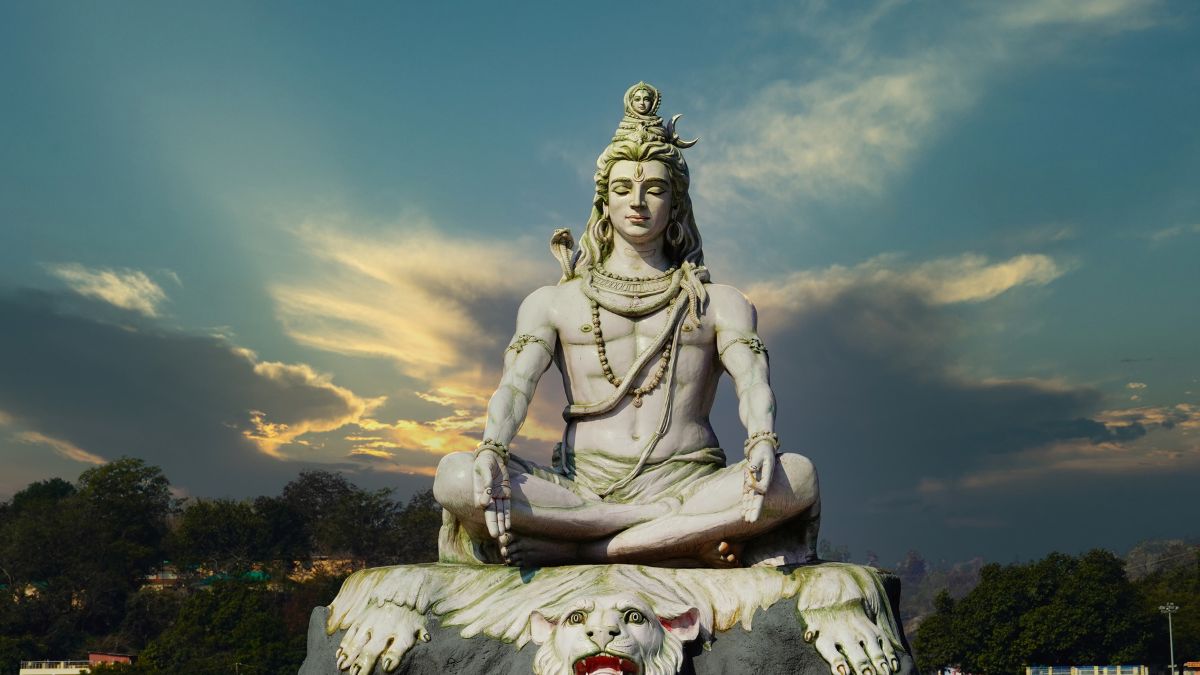
Mahashivratri, one of the most important events in the Hindu calendar is a celebration of the Destroyer and Regenerator: Lord Shiva. The name of the occasion which translates to “The Great Night of Shiva,” takes place on the 14th day of the dark fortnight in the month of Phalguna to commemorate the symbolic union of Lord Shiva and Goddess Parvati.
This event is an anomaly as it is celebrated during the night; most other Hindu festivals take place during the day.
So whether you plan on following a strict fast or staying awake through the night for the Jagran, knowing the exact timings helps with preparation. The planetary positions during this period are said to create a natural energy boost in the body – making it a popular time for people focused on mindfulness.
Mahashivratri 2026: Date and shubh muhurat
In 2026, Mahashivratri falls on Sunday, February 15. The main part of the celebration is the Nishita Kaal, which is the midnight window when spiritual energy is believed to be at its peak.
Chaturdashi Tithi Begins: February 15, 2026, at 5:04 PM
Chaturdashi Tithi Ends: February 16, 2026, at 5:34 PM
Nishita Kaal Muhurat: February 16, from 12:09 AM to 1:01 AM
The night is traditionally split into four Prahars, which are three-hour quarters. Many devotees bathe the Shivling during each of these stages:
First Prahar: 6:11 PM to 9:23 PM (Feb 15)
Second Prahar: 9:23 PM to 12:35 AM (Feb 15–16)
Third Prahar: 12:35 AM to 3:47 AM (Feb 16)
Fourth Prahar: 3:47 AM to 6:59 AM (Feb 16)
The meaning of the union
Mahashivratri is often celebrated as the wedding anniversary of Shiva and Parvati. This represents the balance between consciousness and creative energy. Some traditions also honour this as the night Shiva performed the Tandava, which is a dance representing the cycle of creation and change.
This is the darkest night of the year. People are encouraged to stay awake with a straight back because the natural surge of energy on this night is thought to help with mental clarity. It is seen as a time to let go of old habits and find peace.
Explained: Rituals and puja vidhi
The main focus of the night is the worship of the sacred Shivling through the following rituals:
Panchamrit Abhishek: The Panchamrit Abhishek involves pouring milk, curd, honey, ghee, and sugar over the Shivling to represent the purification of one’s character. This physical ritual acts as a mental reset – helping devotees focus on clearing away negative thoughts.
Offering of Bel Patra: Devotees offer the leaves of the Bael tree. These leaves are important because they have three parts that represent the core qualities of balance, activity, and stillness.
Chanting: Chanting “Om Namah Shivaya” or the Maha Mrityunjaya Mantra is common throughout the night to keep the mind steady.
Fasting and parana (Breaking the fast)
Fasting is a large part of the day. Some people choose a Nirjala fast with no food or water, while others prefer a Phalahar diet that allows for fruits and milk. Most people avoid grains, salt, and meat during this time.
To finish the ritual correctly, the fast should be broken during the Parana window the next day.
Mahashivratri Parana Time: February 16, 2026, between 6:59 AM and 3:24 PM.