



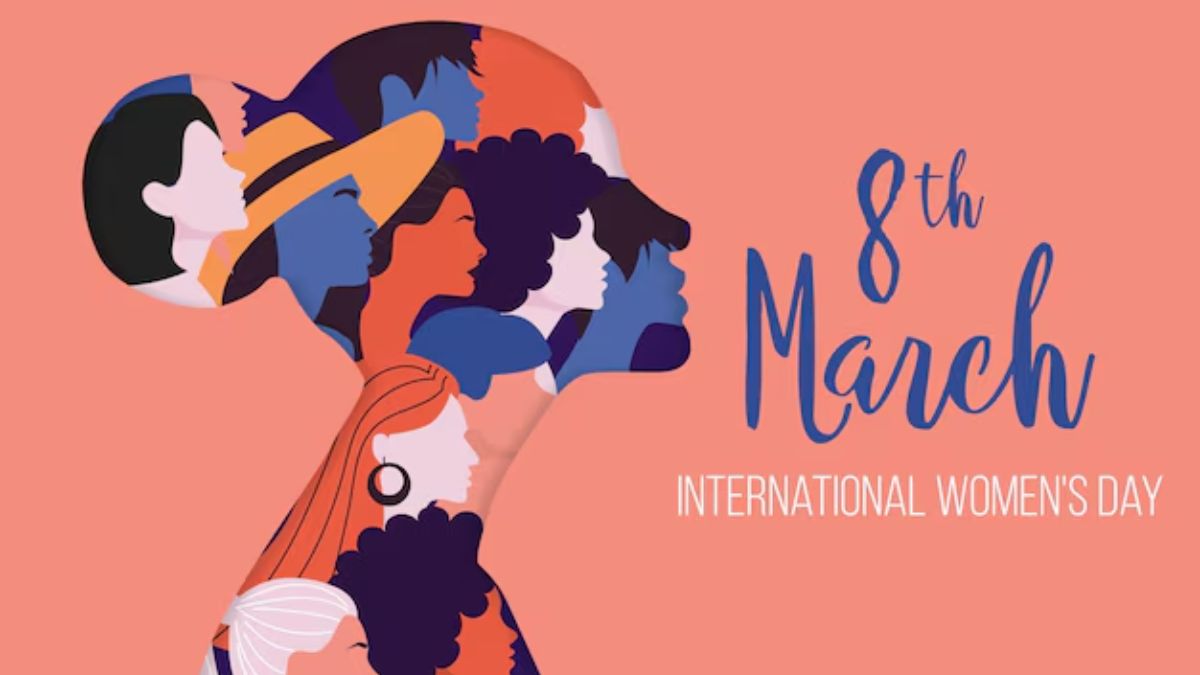
Every year on March 8, the world observes International Women’s Day, a day that celebrates the achievements of women and draws attention to the ongoing fight for gender equality. From rallies and panel discussions to social media campaigns and community events, the day is marked in different ways across countries. But the message remains the same: recognising the role women play in shaping society and pushing for equal opportunities.
A movement that began more than a century ago
The story of International Women’s Day goes back to the early 20th century, when women in many parts of the world began raising their voices for better working conditions and political rights.
According to the United Nations, one of the earliest events connected to the movement took place in 1908. That year, thousands of women workers marched through New York City demanding fair wages, shorter working hours and the right to vote.
In 1910, German activist Clara Zetkin suggested the creation of an International Women’s Day during the International Socialist Women’s Conference in Copenhagen. As per historical accounts cited by the United Nations, delegates from several countries backed the proposal.
The first International Women’s Day was celebrated in 1911 in countries such as Austria, Denmark, Germany and Switzerland. Millions of people took part in rallies demanding women’s right to vote, hold public office and work without discrimination.
Many years later, the movement received official global recognition when the United Nations began celebrating International Women’s Day in 1975.
International Women’s Day: The story behind purple, white and green symbol
If you notice International Women’s Day campaigns around the world, you will often see the colours purple, white and green. These colours are not random; they come from the women’s suffrage movement in the early 1900s.
As per the official site of the International Women’s Day campaign, the colours were first used by the Women’s Social and Political Union in the United Kingdom in 1908. The organisation was one of the most prominent groups fighting for women’s voting rights.
Each colour had a meaning. Purple stood for justice and dignity. White symbolised purity and integrity, while green represented hope and a better future.
During the suffragette movement, these colours appeared on banners, sashes and campaign materials used in marches and protests. Over time, they became closely linked with the broader movement for women’s rights.
Today, the same colours continue to appear in posters, digital campaigns and events held on International Women’s Day around the world.
Why does International Women’s Day still matter today?
More than a hundred years after the first celebrations, International Women’s Day remains highly relevant.
While women have made significant progress in areas like education, politics and the workforce, gender inequality still exists in many parts of the world. According to the United Nations, the day serves as both a celebration of women’s achievements and a reminder that more work is needed to achieve true equality.
Across countries, organisations use the day to discuss issues such as equal pay, women’s safety, leadership representation and access to education.
For many people, International Women’s Day is also a moment to acknowledge the everyday contributions of women, whether at home, in workplaces or within communities, and to continue pushing for a more equal future.