



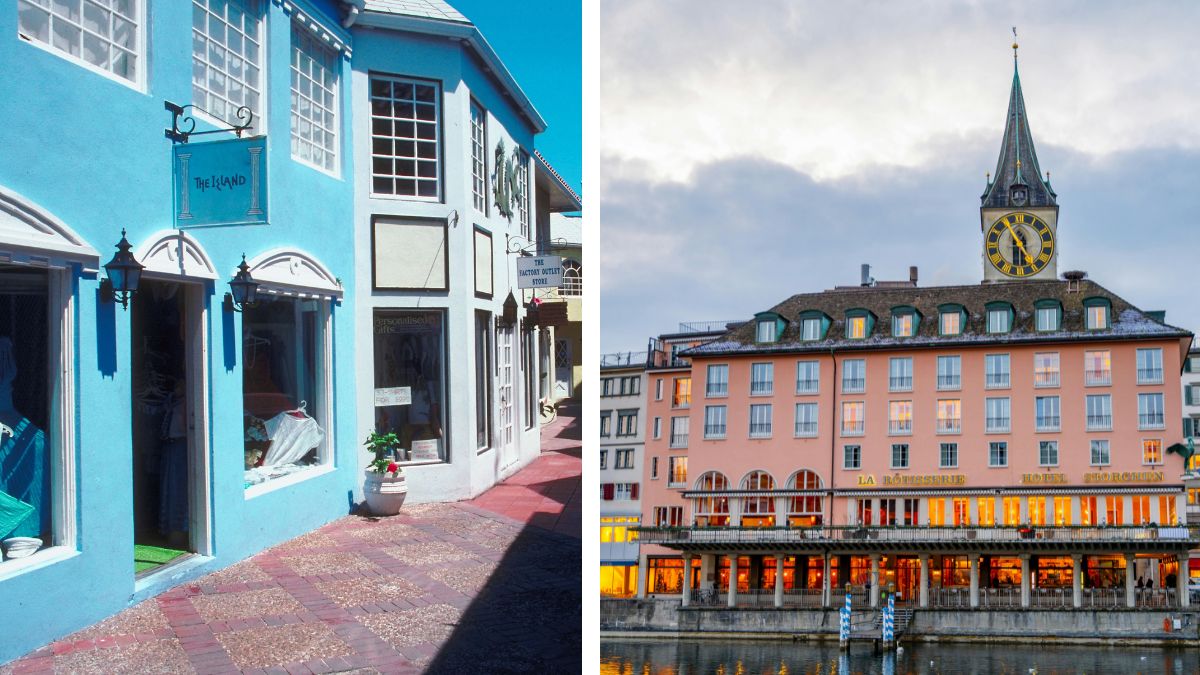
What does it actually cost to live in the world’s priciest urban centres? From sky-high rents to eye-watering grocery bills, a handful of global cities consistently drain wallets faster than anywhere else on earth.
Three major indices track exactly which cities top the charts: Mercer’s Cost of Living City Ranking, which compares the costs of more than 200 items across 226 cities; the Economist Intelligence Unit’s Worldwide Cost of Living survey; and Numbeo’s consumer price index, which publishes a fresh edition each year. Here are the ten cities where your money stretches the least.
Hong Kong
Hong Kong is usually at the top spot in Mercer’s Cost of Living City Ranking, driven primarily by its housing market and the high cost of imported goods. The UBS Global Real Estate Bubble Index ranked Hong Kong as the least affordable city globally, estimating that it takes approximately 14 years of income to purchase a 60 sqm apartment. Limited land supply and persistent global demand keep prices at a structural ceiling.
Singapore
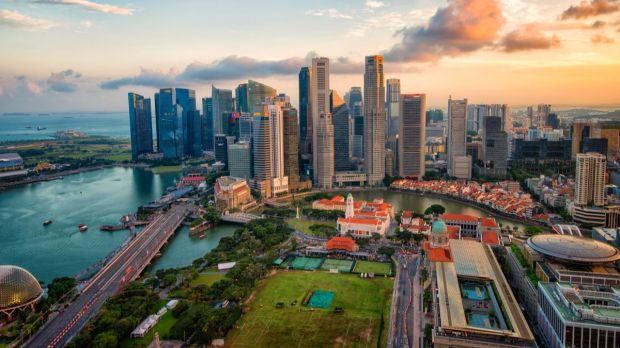
Singapore has held a consistent top-three position across all major rankings. The city-state’s strict urban planning restricts residential supply, while a growing professional class keeps demand elevated. Housing and car ownership costs are among the highest in Asia, compounded by the high price of imported goods. A study by the Lee Kuan Yew School of Public Policy found that nine out of the ten most expensive cities for expatriates remained unchanged between the most recent consecutive years surveyed, with Singapore firmly among them.
Zurich
Zurich tops Numbeo’s Cost of Living Index 2026 with a score of 118.5, meaning daily life costs nearly a fifth more there than in New York City, which usually is the global benchmark for living costs. The city is a major hub for finance, banking and technology, and everything from housing to groceries and dining out commands a significant price. High wages attract global talent, but those wages are quickly absorbed by one of the world’s most unforgiving cost environments.
Geneva
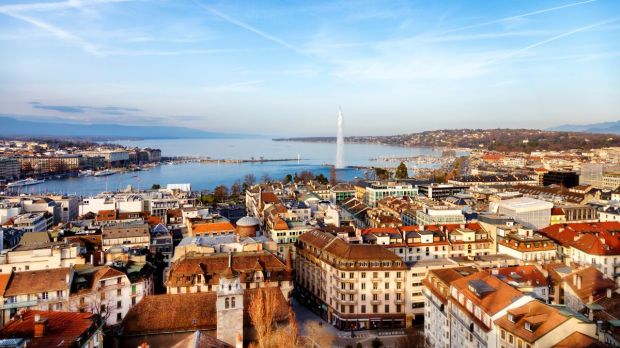
Geneva ranks consistently among the top four most expensive cities across all major indices. Home to major international organisations including the United Nations and the World Health Organization, the city’s global diplomatic status drives up the cost of rentals and services across the board. According to Numbeo data, basic monthly expenses for a single person in Geneva, excluding rent, run to approximately $1,700.
Basel
Basel, in northwestern Switzerland, sits at the juncture of Germany and France and is known for its pharmaceutical and biotech industries. According to Mercer’s data, four Swiss cities – Zurich, Geneva, Basel and Bern – occupy spots in the global top ten, revealing the country’s consistently high wage levels and elevated cost of services. Housing costs in Basel remain extremely high, with everyday expenses such as food and transportation well above global averages.
Bern
Switzerland’s federal capital rounds out the country’s remarkable dominance of the global top tier. The Swiss franc’s strength as a safe-haven currency means that even if everyday prices within Switzerland aren’t rising dramatically, anyone earning or spending in dollars effectively gets less for their money when they convert – making Switzerland feel persistently expensive from the outside, regardless of what local inflation is actually doing.
New York City

New York City is the highest-ranked American city across Mercer’s global ranking and functions as the baseline index of 100 for Numbeo – meaning every city above it on that index costs more to live in. Constrained housing supply, strict zoning, high desirability and premium service costs across every sector keep the city firmly in the top tier year after year.
Recent market reporting continues to show elevated Manhattan rents on a year-on-year basis. As of April 2026, the median citywide rent in New York City is approximately $4,400 per month according to Apartments.com.
London
London climbed sharply in Mercer’s most recent ranking, jumping from 17th place to eighth overall in a single year. London’s housing market stays extraordinarily expensive largely because the city is Europe’s dominant financial hub – drawing in high-earning professionals and global investment – while the supply of homes has never kept pace with demand. Mercer puts the average price at around $850,000.
The Julius Baer Global Wealth and Lifestyle Report 2025 noted that US residency enquiries in the UK have spiked recently, putting further pressure on an already stretched housing market. Julius Baer
Nassau
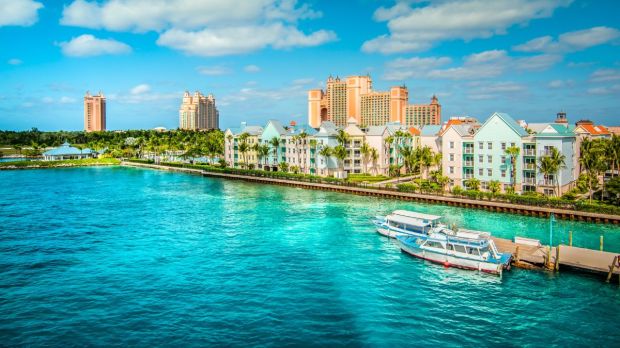
Nassau in the Bahamas combines limited housing stock with import dependence and a smaller retail base, which lifts prices for everyday items significantly. Services in the city tend to be priced for an international client base, pushing overall costs well above global norms.
Los Angeles
Los Angeles rounds out the global top ten. The city’s high costs span housing, state and local taxes, healthcare and utilities. Reports suggest that the cost of living in Los Angeles is around eight per cent higher than the California state average and 50 per cent higher than the US national average, primarily due to a fiercely competitive housing market where real estate costs are roughly 137 per cent more expensive than the average American home.