



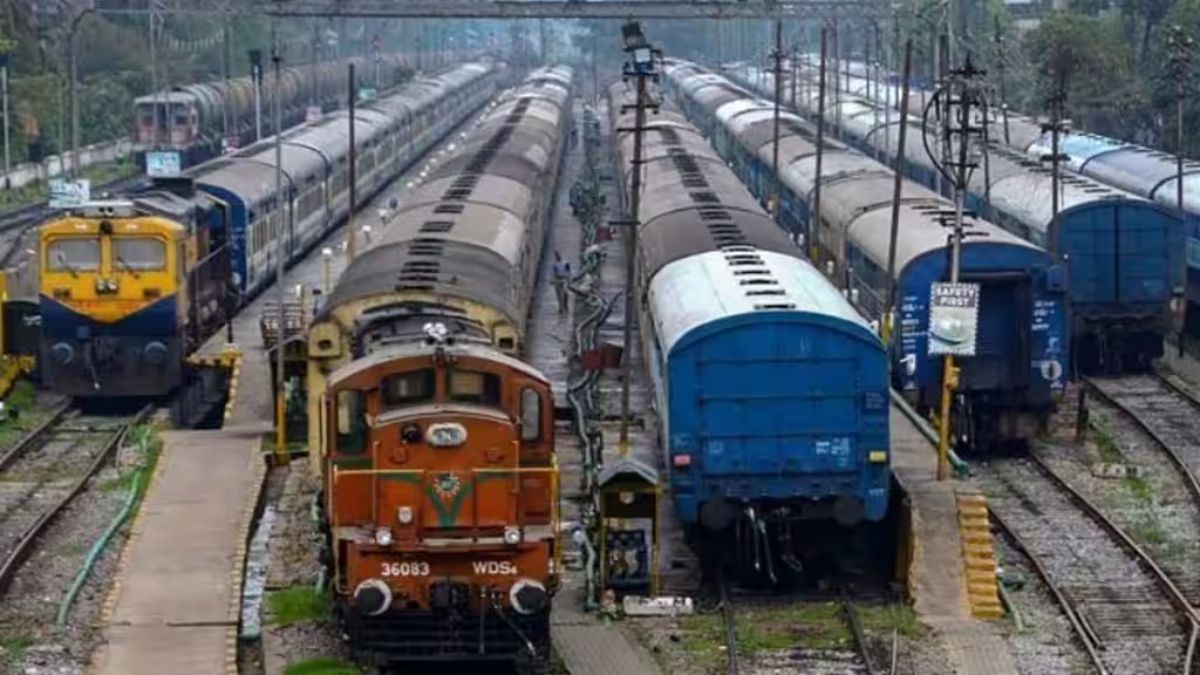
The Bombay High Court has approved the removal of 2,612 mangroves to facilitate the construction of the fifth and sixth railway lines between Borivali and Virar on the Western Railway (WR) network. This decision is expected to alleviate traffic congestion, reduce emissions, and conserve fuel.
The court’s ruling on August 30, which became public on Thursday, highlights the project’s significant public benefits and its alignment with ecological interests.
The division bench, comprising Chief Justice Devendra Kumar Upadhyaya and Justice Amit Borkar, acknowledged that while the project requires cutting mangroves, the broader public interest outweighs the environmental impact.
New lines to boost railway efficiency
The construction of these new lines will address the growing demand for additional services and improve the efficiency of the railway system. The court emphasised that the railway network is a highly eco-friendly mode of mass transportation and one of the most effective worldwide.
By reducing congestion on existing lines, the project will contribute to lower emissions and fuel savings. The judges also noted that the proposed alignment is the most suitable option from technical, economic, and functional perspectives and that no viable alternatives exist.
Western Railway to replant 7,823 mangroves
As part of the ruling, the WR has been directed to compensate for the ecological damage by replanting 7,823 mangroves. The new lines, which are part of Phase III-A of the Mumbai Urban Transport Project (MUTP) and are estimated to cost Rs 2,184 crore, will span 26 kilometers and improve train frequency beyond the western suburbs.
Currently, there are five lines between Mumbai Central and Borivali, with a sixth line under construction. In contrast, the stretch from Borivali to Virar has only four lines.