



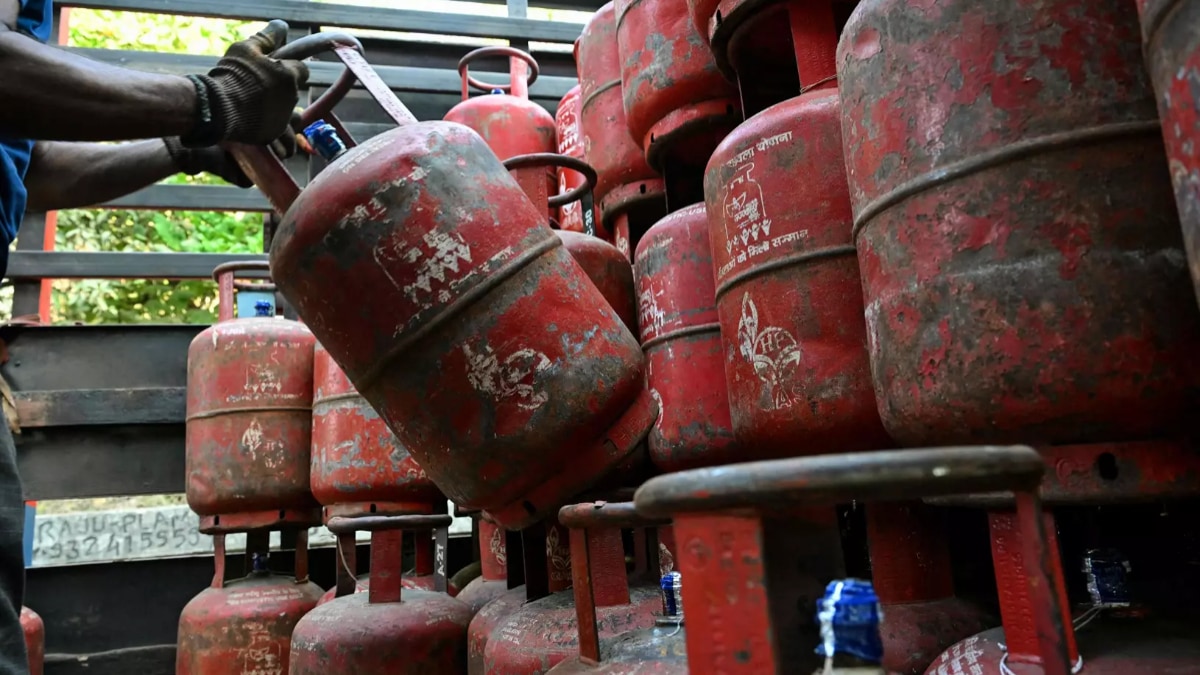
The latest round of petrol and diesel price hikes is intensifying pressure on Indian households, with cooking gas emerging as a fresh inflation flashpoint.
A new study by Worldpanel by Numerator (formerly Kantar) shows that nearly 74% of households expect LPG prices to rise further in the near term, reflecting growing anxiety over essential expenses at a time when families are already grappling with elevated fuel and transportation costs. The concern comes amid the fourth increase in petrol and diesel prices within two weeks, reviving fears of broader inflationary pressures across the economy.
Worldpanel conducted a national survey among 3,600 households, extrapolated to the national universe, examining how LPG supply disruptions are altering cooking behaviour.
“Nearly 8 in 10 households report difficulties due to limitations in LPG availability, signalling widespread friction in what should be a basic utility,” the report said. 37% of Indian households say that it is taking longer than usual to get LPG cylinders. And 42% describe as getting a cylinder as “very difficult”, the report said.
The ripple effects are now extending beyond household kitchens to restaurants and food delivery businesses, where commercial LPG prices have risen consecutively for three months starting March. Industry executives attribute the increase to supply disruptions and volatility triggered by the ongoing West Asia conflict, which has pushed up global energy prices.
For restaurants, the sustained increase in commercial LPG prices has emerged as a significant cost burden. Food service operators estimate that rising cooking gas expenses have led to a 100-200 basis point impact on operating profit margins in Q4FY26, forcing many businesses to reassess pricing and operational strategies.
For households, the concern is more immediate and psychological. Worldpanel said 34% of households are worried about the impact of LPG inflation on their overall monthly budgets, underlining the growing importance of cooking fuel in determining perceptions of financial security.
The study found that LPG stress is increasingly becoming a proxy for household well-being, especially among lower-income families where fuel and food account for a large share of monthly expenditure. In such households, even modest increases in cooking gas prices can significantly affect discretionary spending and savings.
The study says that 57% of households (largely lower-income families) have reverted to back-ups such as wood, traditional stoves (chulhas) or kerosene. 25% of households are avoiding gas-intensive activities like boiling water, heating milk or repeated tea, coffee preparation. Some others are avoiding dishes that have longer cooking time or preparing fewer dishes per day.
Economists said fuel inflation tends to have a wider cascading effect because it simultaneously raises transportation, logistics and utility costs. Higher petrol and diesel prices can increase freight expenses, while LPG inflation directly affects household budgets as well as restaurants and food businesses.