



New Delhi pushed back hard on Friday after a former Japanese minister blamed India for delays in the countries’ bullet train project. India called it “an individual opinion” at “considerable variance with facts”.
The comments came from Hideki Makihara, Japan’s former Justice Minister and a member of the ruling Liberal Democratic Party, who had personally worked on the Shinkansen project. His criticism was pointed. He accused Indian negotiators of being reckless and repeatedly breaking their promises. “They just don’t keep promises, no matter what,” he wrote, adding, “Even if they make a promise, they flip it right away.”
Makihara singled out the Indian minister in charge, calling him “awful” and said self-interest had driven India’s approach throughout the negotiations. “For the honour of all the Japanese folks who poured their hearts into this, I have to say it: I feel 100% that the reason this hasn’t moved forward is entirely on the Indian side,” he wrote.
MEA responds
India’s Ministry of External Affairs responded within hours. Spokesperson Randhir Jaiswal addressed the remarks directly at a press briefing, describing them as a personal opinion rather than fact. “This is an individual opinion and is at considerable variance with facts,” Jaiswal said, adding that talks between the two countries were progressing well.
The timing gives the exchange added weight. Railway Minister Ashwini Vaishnaw recently confirmed that India’s first bullet train service will begin operations on August 15, 2027, with the rollout happening in phases starting with the Surat-Bilimora stretch.
Bullet train centerpiece of India-Japan cooperation
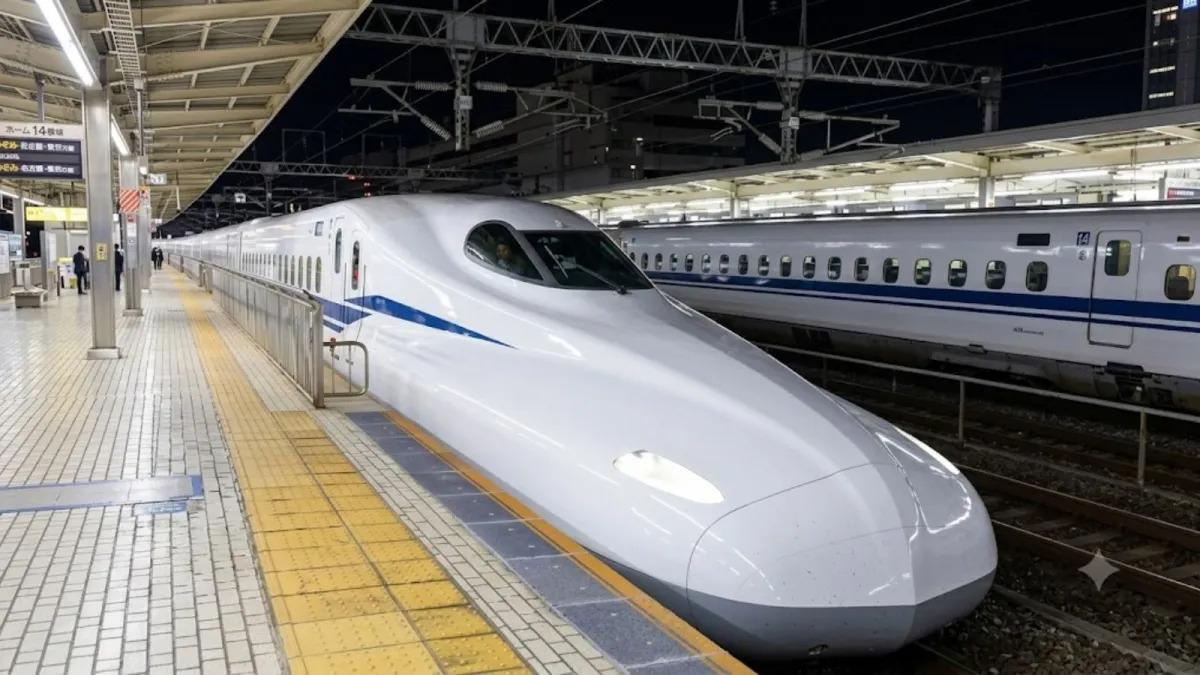
Later, the MEA followed up with a written statement laying out where the project actually stands. Japan will supply the E10 series train, though that won’t happen until the early 2030s since the train is still under development. Construction on the ground, by contrast, has moved rapidly.
“The first section will be opened in 2027. Therefore, both sides agreed to start the operations with the Indian high-speed train,” the statement read. The ministry said that both countries remain aligned on the shared goal of getting the corridor running as soon as possible.
The Mumbai-Ahmedabad High Speed Rail project has long been billed as a centerpiece of India-Japan cooperation. Friday’s spat is a reminder that even flagship partnerships are not immune to friction.