



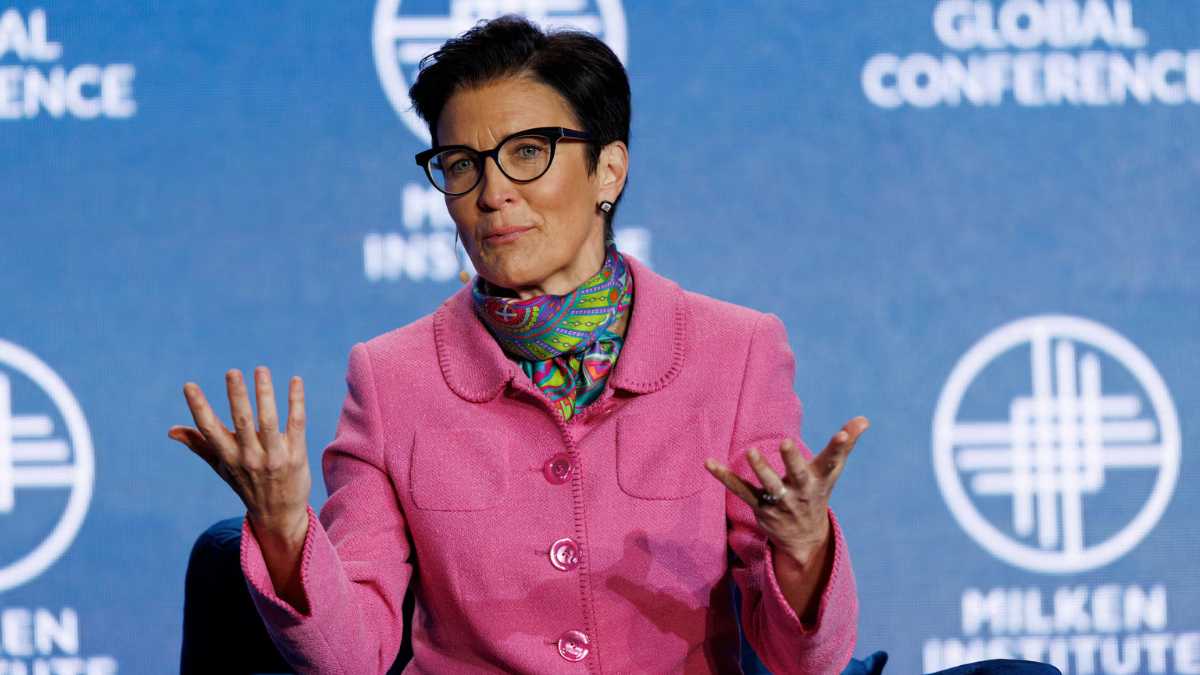
India should stop “selling itself short” over near-term economic challenges as its long-term growth trajectory remains firmly intact, said Jane Fraser, Chair and Chief Executive Officer of Citi, on Thursday.
“India’s got to stop selling itself short. There are some short-term headwinds, but the long-term India story is very much intact,” Fraser said at the Citi India Conference.
Despite geopolitical tensions and trade-related uncertainties, she said India’s structural growth drivers remain strong. Fraser noted that Prime Minister Narendra Modi appeared committed to addressing bottlenecks and improving the ease of doing business, which would be critical for attracting greater foreign investment.
Speaking about her meeting with Modi on Wednesday, Fraser said the discussions covered economic reforms, artificial intelligence, digital infrastructure and energy security.
Many of the concerns weighing on India—including growth uncertainties, energy security and global volatility—are challenges being faced by economies around the world, she added.
Digital Public Infrastructure
Fraser highlighted India’s rapid transformation in recent years, particularly in digital public infrastructure, payments, identity systems and technology adoption.
“What really struck me was the speed at which digitisation happened and the infrastructure that’s getting built. This is not the India I knew 30 years ago,” she said.
She also pointed to growing investments by global technology companies in artificial intelligence and data-centre infrastructure, saying India’s vast technology talent pool positions it well to benefit from the next wave of innovation.
Unleashing Next Wave
“There are going to be some pretty exciting things ahead,” Fraser said, adding that AI could create fresh opportunities for entrepreneurship and expand economic participation across the country.
She further praised India’s progress in renewable energy and infrastructure development, citing the rapid expansion of solar power capacity and improvements in connectivity.
India has emerged as one of the most important markets for multinational corporations and is playing an increasingly significant role in the global economy, Fraser said.