



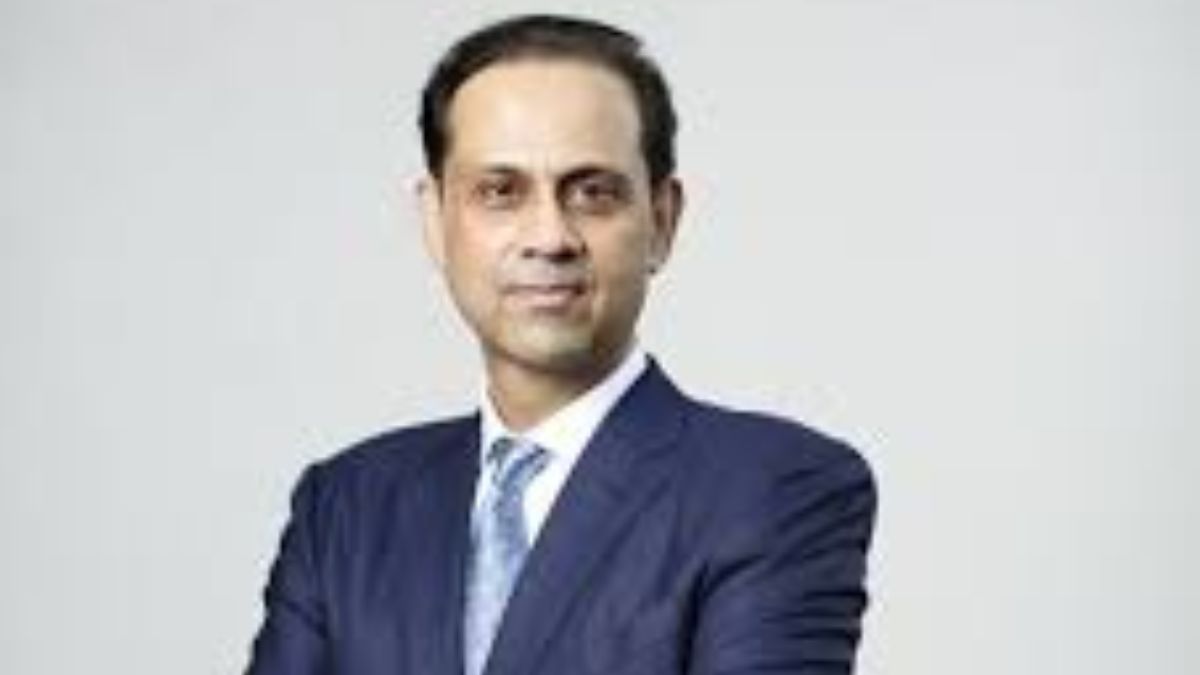
Sanjiv Bajaj, Chairman and Managing Director of Bajaj Finserv, said artificial intelligence (AI) will revolutionise the financial services industry. He identified AI as the single biggest opportunity as well as a potential threat.
Bajaj spoke at the Pune Public Policy Festival held in Pune on Friday. He highlighted that Bajaj Finance is now able to process loans in under 30 seconds. Additionally, a significant amount of marketing content—85%—is now generated using AI. The company has also started using conversational AI for loan disbursement, which is currently available in English and Hindi, with plans to expand to 10 languages soon.
Scaling Operations Through Conversational AI
Bajaj Finserv disburses 4.5 million loans and 6 million insurance policies each month and has 80 million customers using its app. When customers reach out for a loan, the AI tool contacts them, discusses their needs, negotiates terms, and finalises the loan. Currently, they are processing 25,000 loans end-to-end each month using this AI tool, with loan values reaching a couple of hundred crores.
Bajaj noted that AI will also transform the mutual fund industry by making a Rs 100 SIP feasible, addressing the high costs associated with video KYC and transactions. He emphasised that “AI will change this by bringing in greater efficiency.”
Impact on Employment and Workforce Evolution
However, Bajaj also acknowledged that certain jobs may become redundant due to AI. He explained that many operational roles and middle-management supervisory positions could become redundant. Significant technological advancements and innovations often lead to the loss of certain jobs and the creation of new jobs. He believes that those who are innovative and forward-thinking will still be in demand.
Looking ahead, Bajaj predicted that AI could enable people to earn more while working just three or four days a week, allowing them to pursue other interests—activities that could create additional job opportunities.
India’s Digital Infrastructure Advantage
Bajaj noted that the digital landscape has dramatically increased access to banking, financial services, and insurance throughout the country. He praised India for harnessing digital technology effectively, including homegrown innovations like UPI.
He also credited the government for facilitating the digitalisation of the industry. Unlike in Western countries, where private companies have developed digital infrastructure and charge for it, in India, the government has built this digital highway, enabling widespread technology adoption at no cost.