



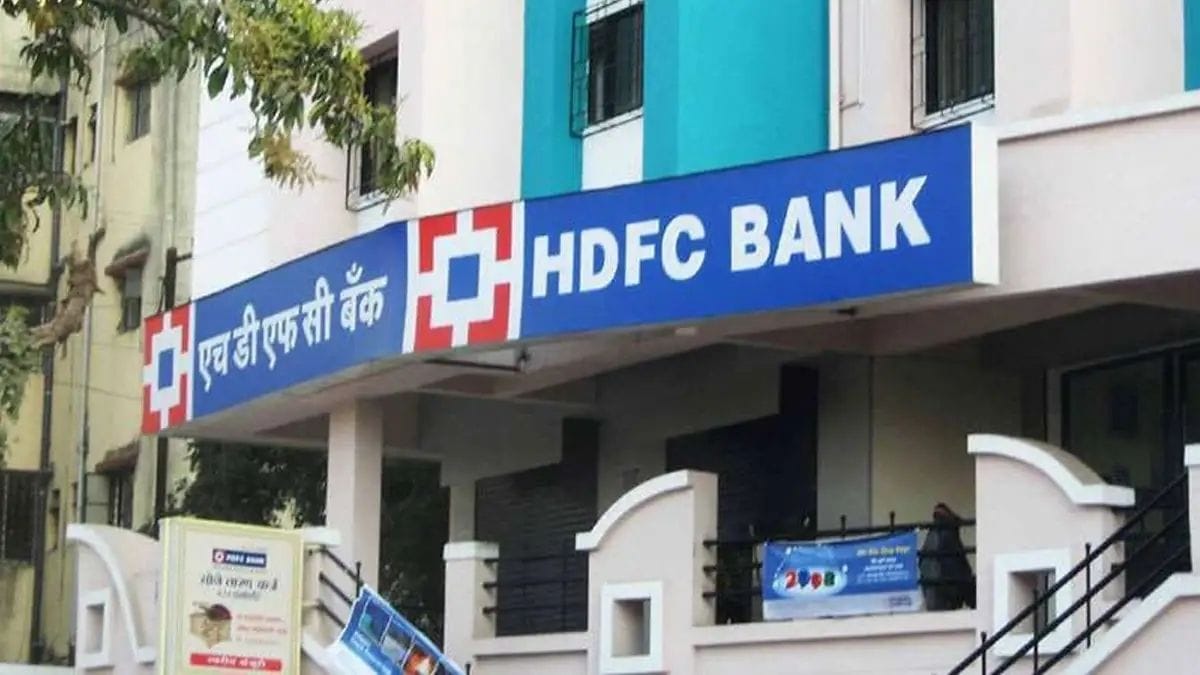
Governor Sanjay Malhotra said that the Reserve Bank did not come across any governance or conduct-related issues during the supervisory inspection of HDFC Bank.
Responding to a question at the post-monetary policy press conference on the sudden resignation of HDFC Bank Chairman Atanu Chakraborty and the subsequent fall in its share price, Malhotra said RBI had also seen minutes of meetings of the lender, and the RBI did not find anything of material concern.
He said the RBI, in its press release on March 19, had also said there were no material concerns on record regarding the bank’s conduct or governance.
“HDFC Bank is a Domestic Systemically Important Bank (D-SIB) with sound financials, professionally run board and competent management team. Basis our periodical assessment, there are no material concerns on record as regards its conduct or governance,” the RBI said in its press release.
Malhotra also asserted that India’s banking system is “very resilient, safe, and strong”. He said there are no systemic risks to the profitability and health of banks amid the West Asia conflict.
Revised guidelines for banks’ board
Further, Governor Sanjay Malhotra said that the Reserve Bank of India is planning to revise its guidelines for bank boards to encourage greater focus on policy matters rather than day-to-day operations.
“A comprehensive review of instructions is being undertaken following the request of banks, which will facilitate better utilisation of bank boards’ time,” Malhotra said.
“We propose to revise and rationalize matters that require the attention of the board. This will result in boards being able to divert more time to policy matters, leaving operational matters to the management.” He said.
MPC decision on interest rates
The Reserve Bank of India kept its key policy rate unchanged, adopting a cautious wait-and-watch stance as policymakers assessed the fallout from the six-week Iran conflict on energy supplies, inflation, and growth.
The central bank’s six-member Monetary Policy Committee voted unanimously to keep the interest rates rate at 5.25 percent, flagging heightened uncertainty after the West Asia conflict drove crude prices sharply higher, weakened the rupee, and disrupted trade flows.