



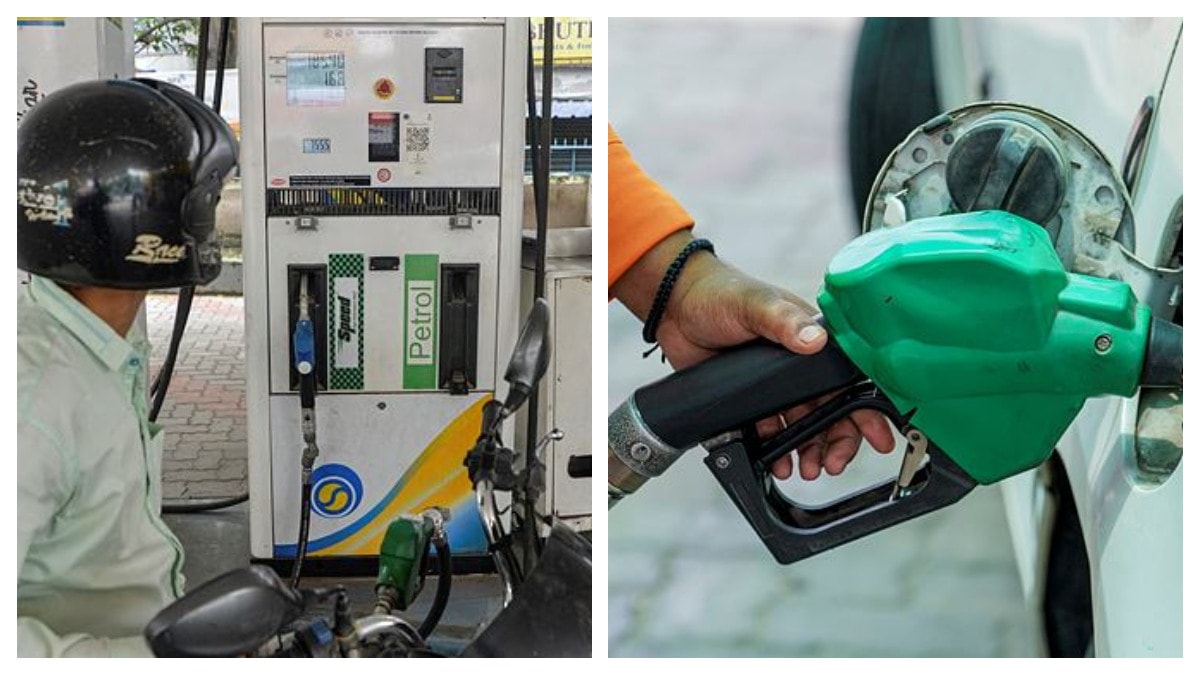
A sharp rise in retail petrol and diesel prices since mid‑May could add materially to India’s consumer price inflation, Crisil warned, even as the Reserve Bank of India’s Monetary Policy Committee (MPC) may initially look through the supply‑side shock. The rating agency estimated the direct impact on the Consumer Price Index (CPI) at roughly 36 basis points for a Rs 7.5/litre increase in fuel costs, rising to about 48 basis points if retail prices climb by Rs 10/litre.
Retail fuel surge and inflation mathematics
Retail petrol and diesel prices in India have climbed by around Rs 7.5 per litre since May 15 and Crisil said further hikes are possible if crude oil remains elevated. “The direct upside to inflation linked to CPI is estimated at ~36 basis points (bps) with a hike of Rs 7.5/litre in petrol and diesel prices, rising to ~48 bps if the retail fuel prices increase by Rs 10,” the report said.
While the immediate CPI impact is measurable, second‑round effects through higher transport and input costs could push inflation higher across categories.
Wider pass‑through and second‑round effects
Crisil emphasised that the broader effect will reverberate across the economy. As oil marketing companies gradually pare their losses (or under‑recoveries), cumulative hikes could move closer to Rs 10/litre in the near term, the report said. “The broader effect will reverberate across the economy through higher transport costs, pushing up both food and core inflation,” Crisil noted, flagging the risk that higher fuel costs will feed into supply chains and retail prices beyond the direct CPI weighting for petrol and diesel.
Transport channel and logistics impact
The agency highlighted transport as the major channel for fuel‑inflation transmission. Freight transport accounts for 54% of India’s logistics cost, and road transport represents nearly 71% of total freight movement, Crisil said. The increase in retail fuel prices will directly affect freight cost structures and is likely to “feed into prices across supply chains in the coming months,” the report warned.
RBI stance and policy implications
Crisil expects the RBI’s Monetary Policy Committee to initially treat the higher fuel prices as a supply‑side shock and “look through” the immediate impact on CPI. However, it will likely remain watchful of the potential for spillovers: rising household inflation expectations and second‑round generalisation of price pressures. “We expect the RBI Monetary Policy Committee (MPC) to look through these supply‑side impressions on CPI price inflation. But it is likely to remain watchful of spill‑over risk to household inflation expectations, and the possibility of the second round leading to generalization of price pressures,” the report said.
Supply disruption and rising fuel costs
The war-related disruptions through the Strait of Hormuz have tightened global crude flows, pushing up international oil prices and reverberating across India’s domestic fuel markets. As shipments reroute and freight costs climb, retail rates for petrol and diesel have already risen, and consumers are also seeing upward pressure on LPG and CNG prices—either directly through higher feedstock costs or indirectly via increased distribution and transportation expenses. The cumulative effect is lifting inflationary risks, squeezing household budgets and raising input costs for businesses that depend on road transport, while policymakers watch for broader second‑round impacts on food and core inflation.
Crude outlook and seasonal risks
Crisil noted that crude prices have averaged about $112 per barrel for the first two months of the fiscal year, and its base‑case expectation for the full fiscal is around $95 per barrel. The report also flagged domestic supply risks from weather- the implications of an expected below‑normal monsoon and evolving El Niño conditions on food inflation will be monitored closely, since weak rainfall could exacerbate food price pressures.
Market and household implications
By raising transport and logistics costs, higher retail fuel prices could lift both food and core inflation components, eroding real incomes and potentially re‑anchoring inflation expectations if the rise persists. The rating agency’s analysis suggests that while headline CPI may remain below the RBI’s 4% target in the near term, it is likely to move up and could approach but not breach the 6% tolerance band under their central scenario.
Crisil’s assessment points to a manageable but notable inflationary impact from recent retail fuel price increases, with the RBI expected to factor in the supply‑side nature of the shock while staying alert to spillovers. The evolution of crude oil prices, the pace at which oil marketing companies pass through accumulated losses and monsoon developments will be critical determinants of whether the current uptick translates into broader and more persistent inflation.