



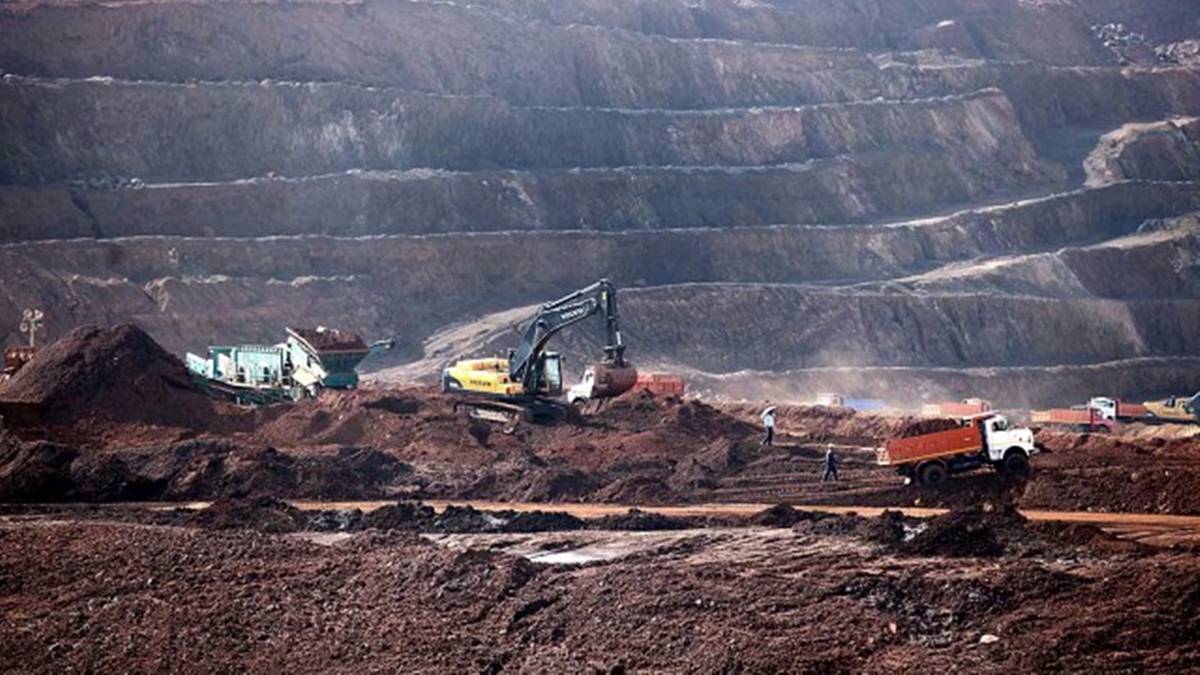
India and Germany on Wednesday signed an implementation agreement to develop a scientific mine-closure model.
The pact between the ministry of coal and Deutsche Gesellschaft für Internationale Zusammenarbeit (GIZ) covers mine repurposing, technical capacity building, knowledge exchange and adoption of global practices for mines nearing closure.
Speaking on the ‘AAROH’ launch event, Coal and mines minister G Kishan Reddy said the agreement would combine Germany’s mine-closure and Just Transition experience with India’s scale and implementation capacity to create a model integrating environmental protection, technology, community participation and economic opportunity.
Dedicated $5 Billion Corpus
He also informed that the government has created a dedicated corpus of over $5 billion, or about ₹40,000 crore, for scientific and progressive mine closure. The 25% community-development allocation could generate nearly ₹10,000 crore of investment in a decade.
“India has fundamentally transformed the philosophy of mine closure, viewing it not as the end of mining but as the beginning of new opportunities for people, communities and sustainable development,” Reddy said.
India has scientifically closed 42 coal mines, including 33 during the past year. The government now plans to close another 147 scientifically within two to three years, expanding the programme.
Reddy said scientific mine closure had become a national priority and a key pillar of the Viksit Bharat 2047 vision. Reclaimed mine land is being repurposed for renewable energy, eco-tourism, water conservation, agriculture, community infrastructure and sustainable livelihoods, with projects at West Bokaro, Bishrampur and Viveknagar cited as successful examples.
Launch of ‘AAROH’ Report
The government also released AAROH, India’s first comprehensive documentation of scientific closure and repurposing practices. Developed by the Coal Controller Organisation, the report profiles 42 closed mines, recording reclamation measures, ecological restoration, post-mining land use and community interventions through before-and-after visuals and QR-linked documentary videos.
The minister also inaugurated Coal Neer plants operated by Coal India subsidiaries, which use RO, UV and CDI technologies to convert mine water into bottled drinking water while creating livelihoods for local self-help groups.
Separately, BCCL and the Jharia Rehabilitation and Development Authority signed tripartite agreements with Hindalco and Rajdhani Universal Fabrics for a skill centre and an integrated technical-textile manufacturing ecosystem in the Jharia coalfield region.