



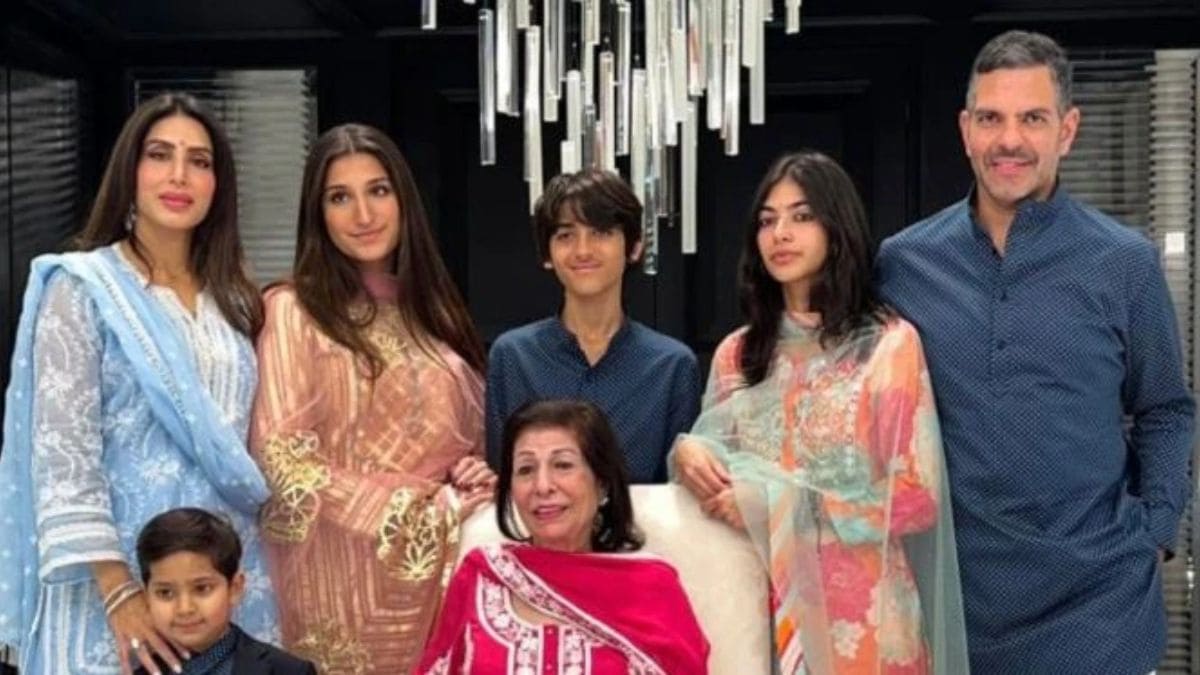
Rani Kapur, the matriarch of the Kapur family behind Sona BLW Precision Forgings (Sona Comstar), continues to wield influence over the company’s promoter holding after the death of her son Sunjay Kapur in June last year due to veto powers, according to people familiar with the governing trust document.
The 2017 private family trust that holds the bulk of Sona BLW’s 28% stake in the listed auto components maker was structured with layered safeguards intended to ensure smooth succession and prevent precisely the kind of boardroom battle now unfolding in the Delhi’s High Court. Instead, those very provisions have become the focal point of a high-stakes contest for control, the people said.
Under the trust’s internal rules, once Sunjay Kapur was no longer a trustee, every decision by the trust — from asset sales and investments to director nominations in group companies — requires not only a majority vote but also the explicit affirmative approval of Rani Kapur herself, the people said. This mandatory “yes” from Rani effectively grants her veto power over the trust’s operations for as long as she remains a trustee.
Founder-protection mechanism?
As per sources, the arrangement was designed as a founder-protection mechanism. The deed laid out a rigid succession blueprint: income flowing first to Sunjay during his lifetime, then to his direct heirs. The goal, according to people who have reviewed the document, was to lock the family’s auto components empire into Sunjay’s direct line and the 2017 trust deed keeps the founder’s daughters out.
The 2017 trust document, however, gives the settlor—Rani—overriding authority during her lifetime. Soon after Sunjay’s death, Priya became a trustee and was appointed as a non-executive director on Sona BLW board in the same month. When contacted, Rani Kapur declined to comment. A spokesperson of Priya Sachdev Kapur declined to comment saying “the matter is sub-judice”.
That carefully engineered harmony has not held. Since Sunjay’s death in June 2025, the trust has been plunged into open conflict. In January this year, Rani Kapur moved the Delhi HC to challenge the validity of the trust itself while claiming direct ownership of the assets.
Rani, 80, issued a notice in March 2026 invoking her unilateral removal rights to oust Priya as trustee. Priya fought back and issued notice removing Rani, citing alleged breaches of fiduciary duty, effective March 25. Both sides claim their actions are valid under the deed’s removal clauses; neither has conceded ground. The dispute is now before the Delhi HC in a suit filed by Rani seeking to unwind the 2017 structure on grounds of fraud and coercion.
The standoff has left the trust’s governance in limbo. People close to the matter say the veto mechanism remains operative as long as Rani is recognised as a trustee, meaning no major decision on the Sona BLW stake—held indirectly through Aureus Investment—can proceed without her consent. That includes any potential sale, pledge or strategic shift that the other camp may contemplate.
Sona BLW, on the other hand, has maintained it is not a party to the family proceedings and operates under a professional board. On July 28 last year, the company informed the stock exchanges that Rani Kapur has had no role, direct or indirect, in Sona Comstar since at least 2019. “She is neither a shareholder, director, nor officer of the company. As such, she has no locus standi on any matter related to the company,” the company had said.
Rani’s legal team has pressed for interim restraints on trust assets while the validity of the deed and the competing removal notices are adjudicated. Priya’s side has countered with applications to dismiss the suit outright. The court has set a July 9 date to complete pleadings but hasn’t yet ruled on urgent relief.
The episode highlights a paradox built into many Indian family trusts: mechanisms created to shield wealth from fragmentation can, when tested by death or discord, become weapons in the very battles they were meant to avert.
The 2017 deed’s emphasis on Sunjay’s line and Rani’s lifetime safeguards was intended to provide generational continuity for the Sona Group, which grew from a precision-forgings business into a global auto parts supplier. Instead, it has set the stage for what could be one of the most closely watched succession fights in the corporate sector.
Market participants tracking the space say any court-ordered freeze or receiver appointment could weigh on sentiment around Sona BLW, whose shares have been buoyed by strong order books and export growth. A resolution— whether through mediation, which the HC has urged, or a final verdict—remains elusive.