



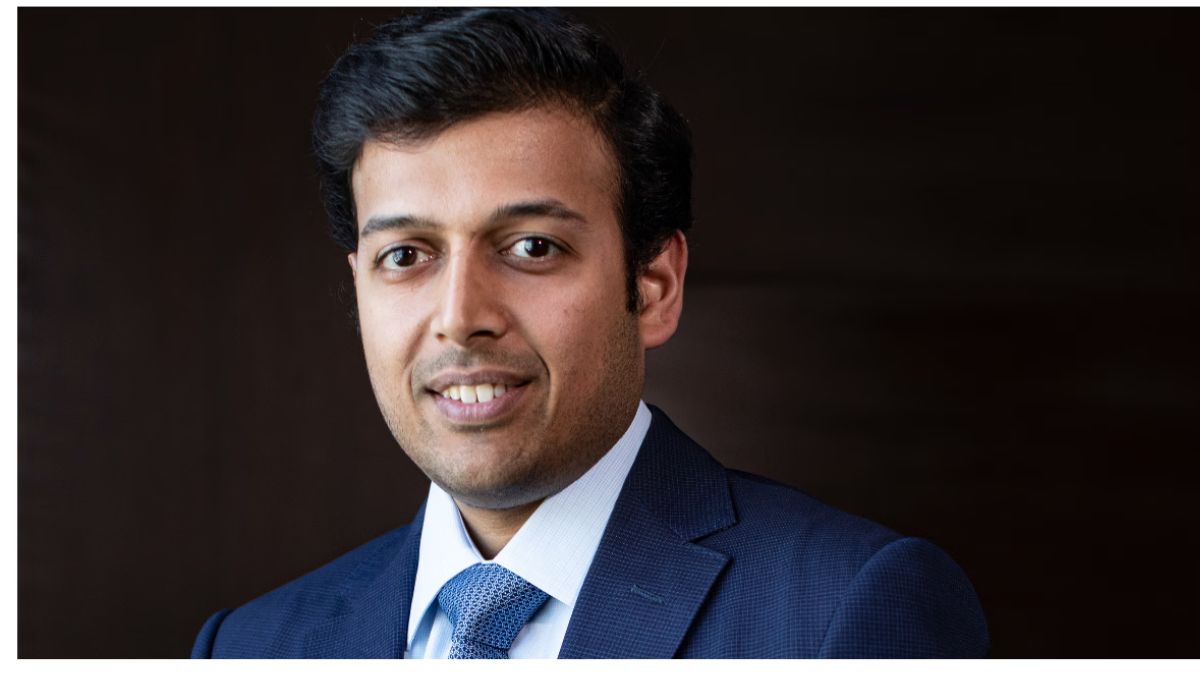
JBM Auto became the country’s largest e-bus player in FY26 and aims to maintain this leadership, says Nishant Arya, its vice chairman and managing director. In an interview with Nitin Kumar, Arya outlines how JBM’s integrated EV strategy, a robust order book of 10,000 e-buses, and a manufacturing capacity of 20,000 units will help the company retain its top position. He says JBM Auto is on track to meet its FY26 revenue guidance. Excerpts:
How was FY26 for JBM and what are your growth plans for the next 3-5 years?
In FY26, including Telangana sales, JBM became the largest e-bus player with over 25% market share. Looking ahead, our focus is to not just retain the No.1 position but further expand our market share as the segment grows.
How do you plan to achieve this growth?
We have a robust order book of around 10,000 e-buses and a manufacturing capacity of 20,000 — the largest outside China. This foundation positions us to lead the next growth phase. Government tenders, rapid electrification of routes, and schools adopting e-buses are boosting the sector. With over a dozen products for all route types, we are well poised to capitalise on these opportunities.
Are there plans for international expansion as well?
Absolutely. Our ambition goes beyond domestic growth. We have already established a presence in Europe, Africa, West Asia, and Asia Pacific, and we aim to scale up exports and deepen our presence across these key markets.
Which capabilities have given JBM the edge to emerge as the leader in the e-bus market?
Our edge lies in being a fully integrated EV ecosystem player, with end-to-end control over vehicle technology, design battery systems, power electronics, and software. Our 6 GWh battery facility, along with in-house battery management systems (BMS) and vehicle control units (VCU), and telematics, ensures top performance, safety, and reliability.
Backed by strong R&D and turnkey e-mobility solutions, we deliver scalable, customised offerings that drive our e-bus market leadership.
You had guided for Rs 6,000-6,500-crore revenue in FY26. Are you on track to achieve this?
Yes, we are on track to meet our FY26 revenue guidance.
What role is the EV business playing in your growth, and how do you see its contribution evolving?
Currently, around 40% of JBM Auto’s revenue comes from the EV business, and we expect this to rise to about 50% in the near term. The e-bus segment is gaining strong momentum and will continue to be a key growth driver as adoption accelerates in both domestic and international markets.
Why is electric penetration in buses still at around 4.5%, among the lowest across segments?
Unlike two- and three-wheelers, buses require significant infrastructure, which has slowed adoption. However, this is changing rapidly with the development of modern depots. Early support from the FAME scheme helped bridge initial gaps, and initiatives like the PM-eBus Sewa and PM E-DRIVE are accelerating deployment.
These programmes aim to deploy more than 24,000 e-buses, and roll-out is already underway. We expect penetration to reach double digits over the next few years.
When do you expect cost parity between electric and diesel buses?
On a total cost of ownership basis, e-buses are already more economical. While upfront costs are higher, operating costs are much lower around Rs 10 per km compared to over Rs 45 per km for diesel buses resulting in strong lifetime savings and making e-buses a financially compelling choice.